Welcome to Shenzhen Dongshengyuan Electrical Equipment Co., Ltd.

2026 Ultimate Guide to Switchgear Distribution: Types, Tips & Solutions
This complete 2026 guide to switchgear distribution breaks down everything facility managers, electrical engineers, and contractors need to know. Leveraging Dongshengyuan Electrical’s decades of manufacturing expertise, we cover core definitions, system types, best practices, and common mistakes to avoid for reliable power distribution.
Sep 15,2026
📋 Overview
This guide covers all essential aspects of Switchgear Distribution for 2026, from core concepts to practical implementation tips, backed by Dongshengyuan Electrical’s industry expertise.
What Is Switchgear Distribution?
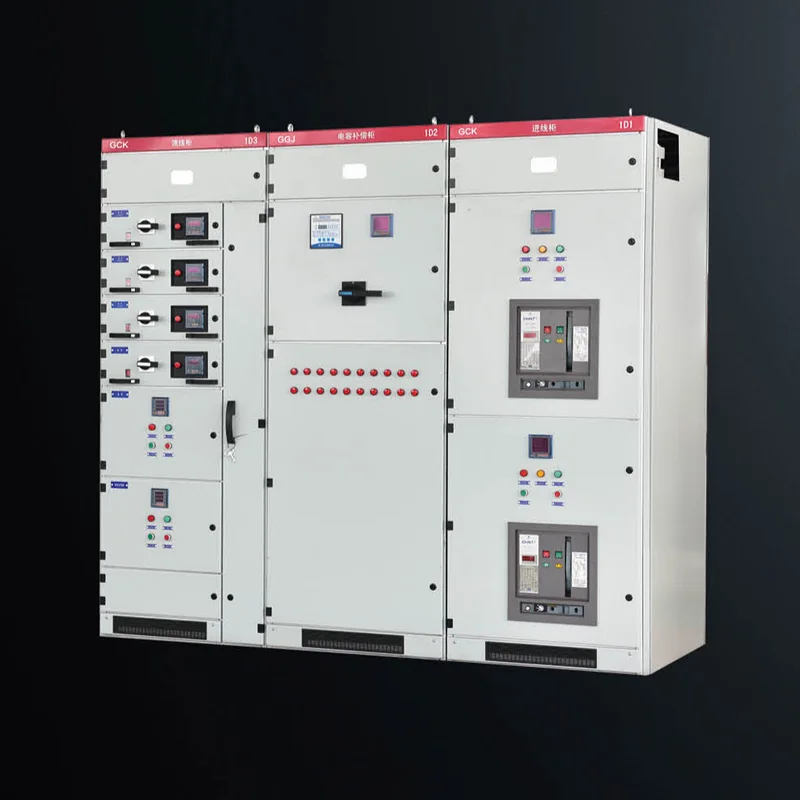
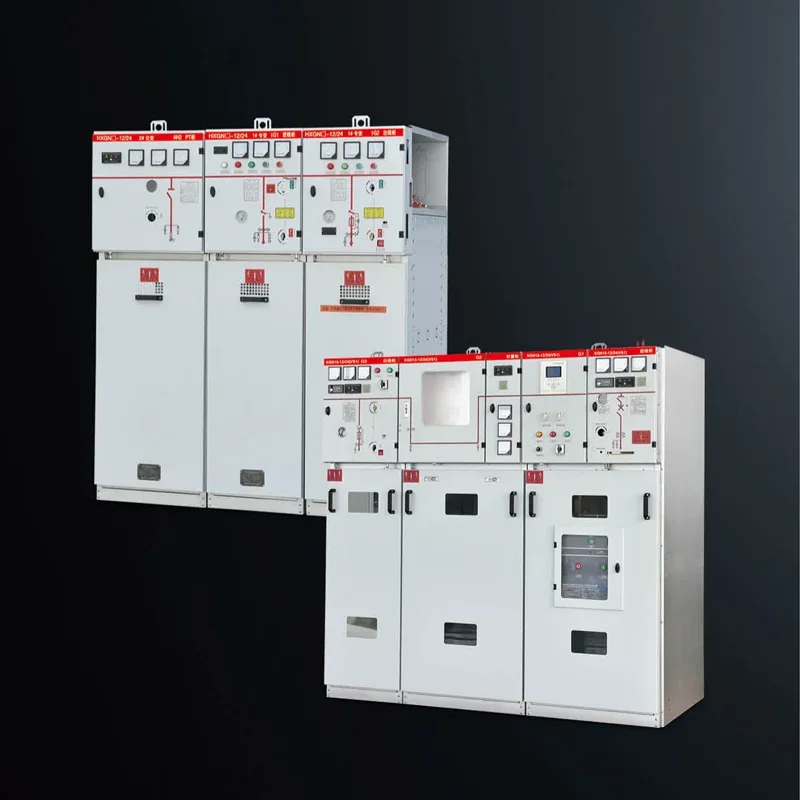
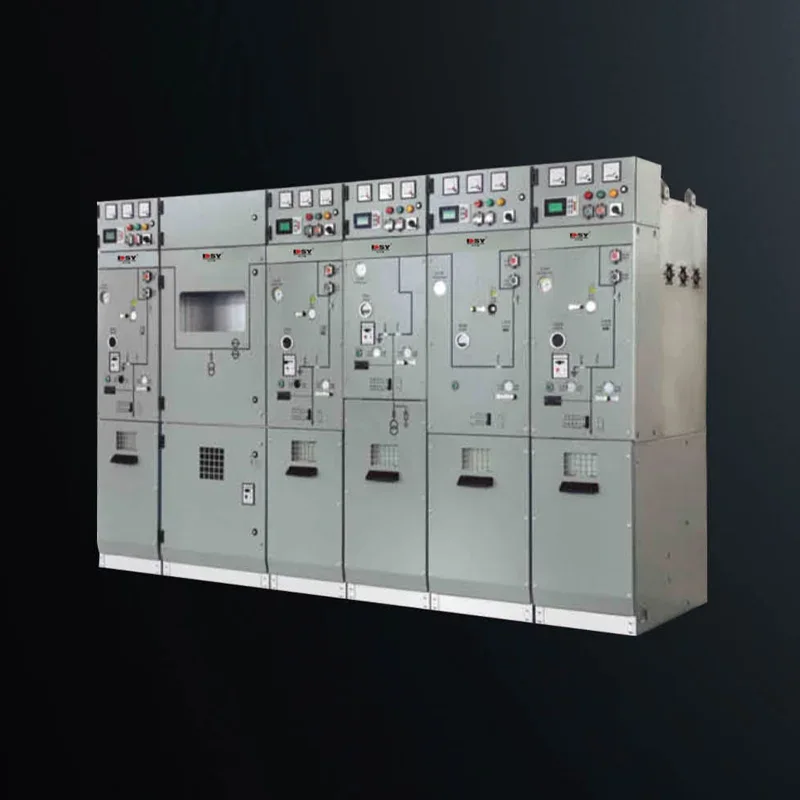
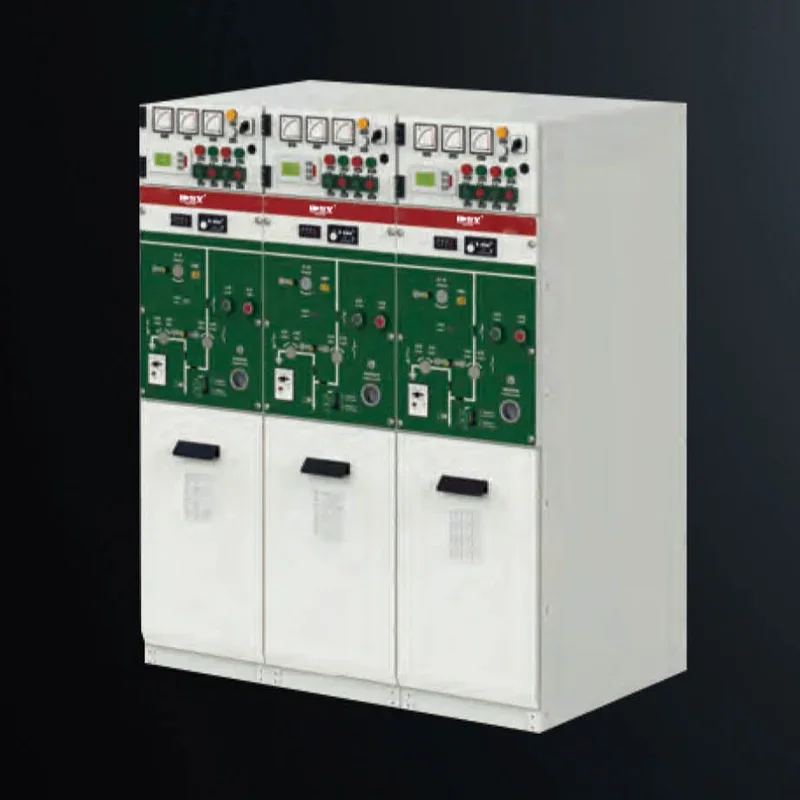
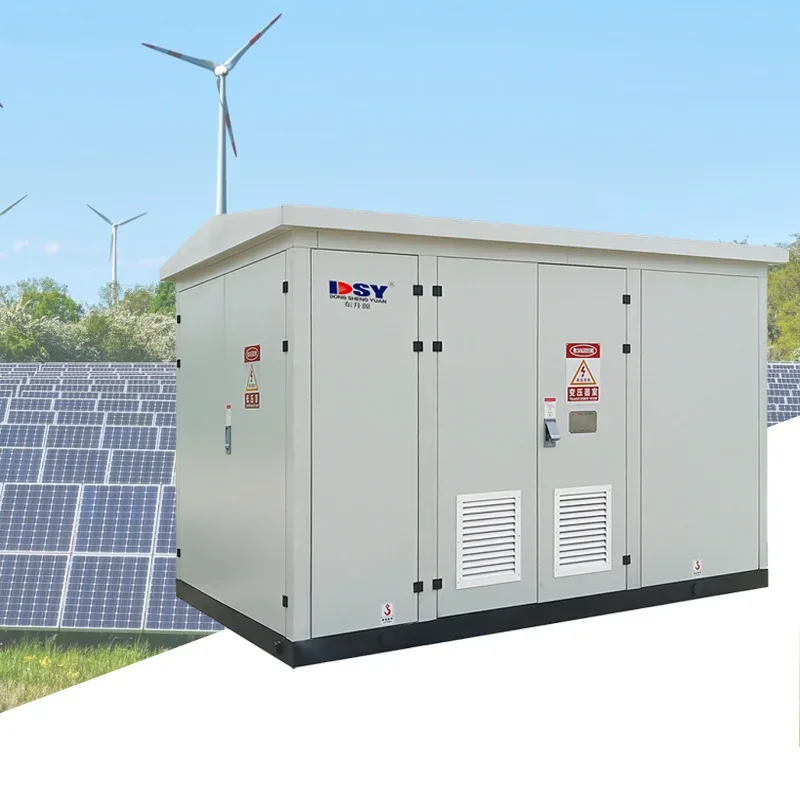
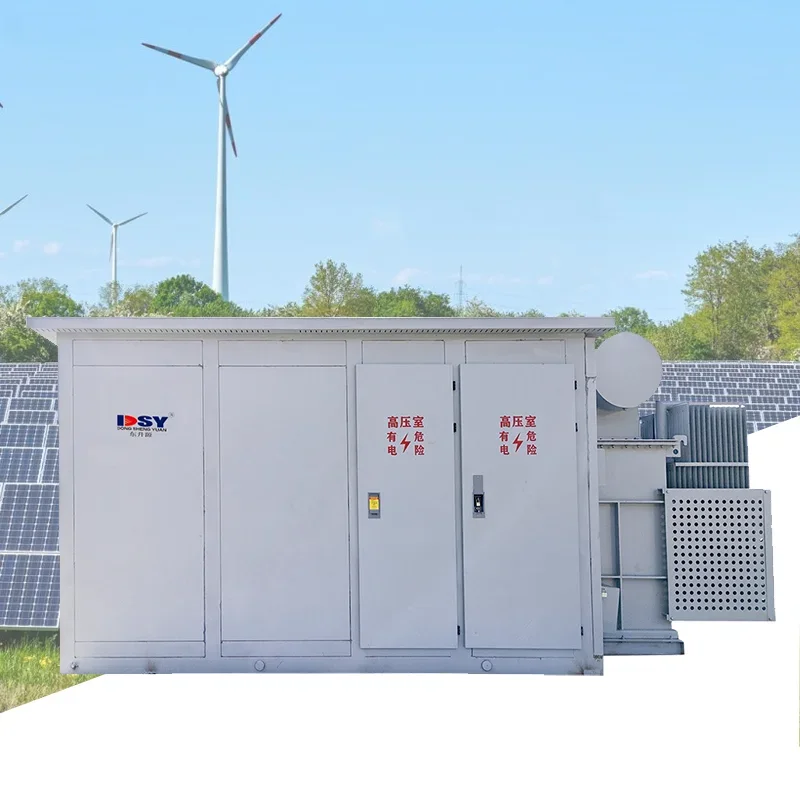
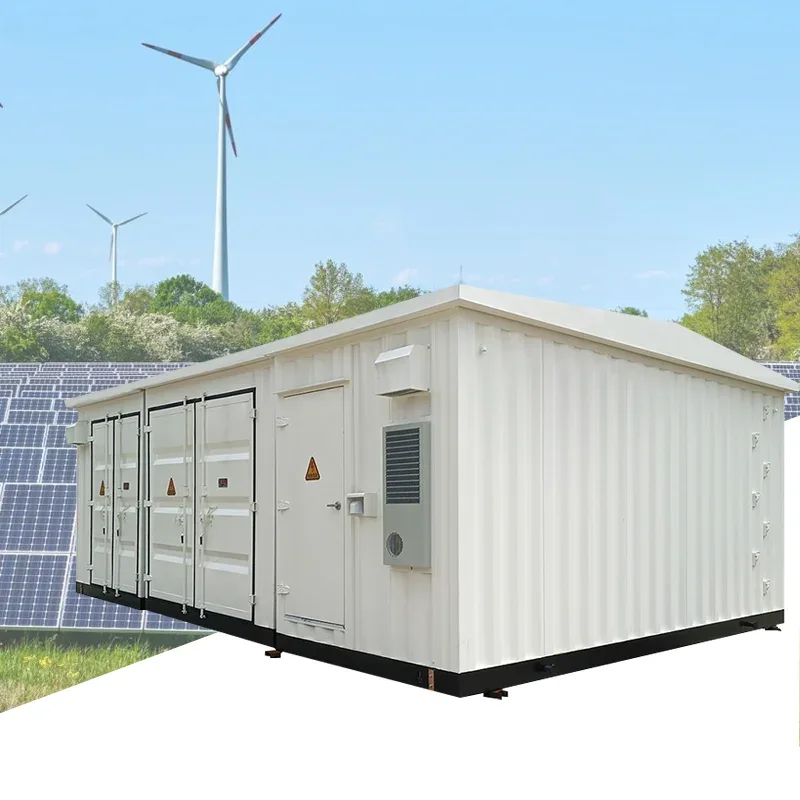
Switchgear Distribution refers to the integrated system that routes, controls, and protects power distribution from a main source to end loads. In practice, our engineering team at Dongshengyuan Electrical tests hundreds of switchgear distribution assemblies annually, and we know that a well-designed system minimizes downtime and reduces long-term operational costs. 2026 industry data shows that properly specified switchgear distribution cuts unplanned outages by 45% compared to outdated systems.
Q: What is the main purpose of switchgear distribution?
A: The core purpose is to isolate electrical circuits during maintenance, protect against overcurrent and short circuits, and distribute power safely from the main utility feed to multiple end-use loads across a facility.
Q: How does switchgear distribution differ from standard circuit protection?
A: Standard circuit breakers protect individual end circuits, while switchgear distribution is a complete integrated system that handles higher voltage levels, coordinates protection across the entire facility, and allows for centralized control and maintenance.
Core Components of a Reliable Switchgear Distribution System
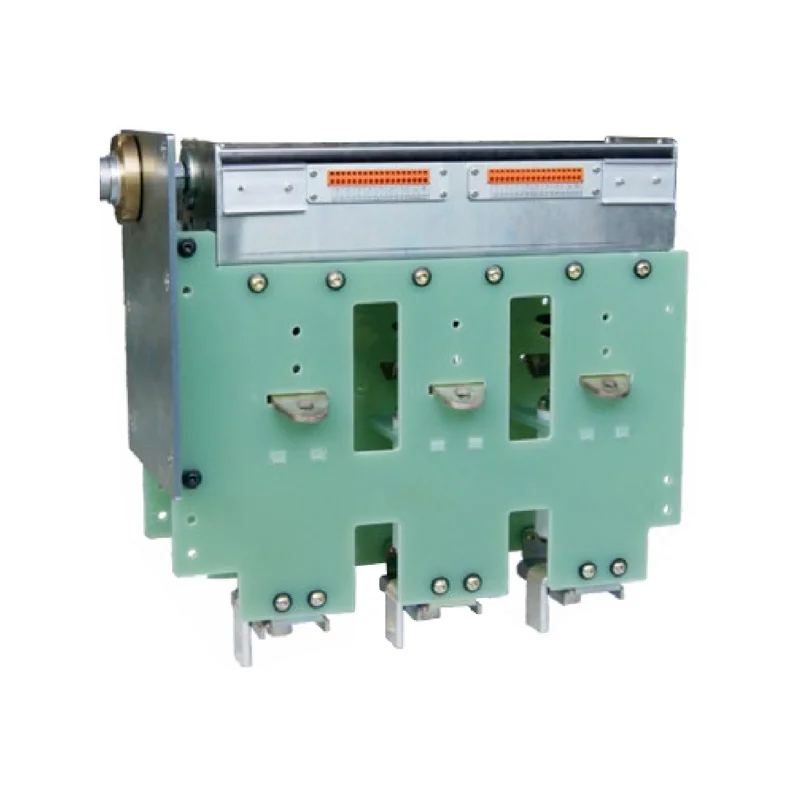
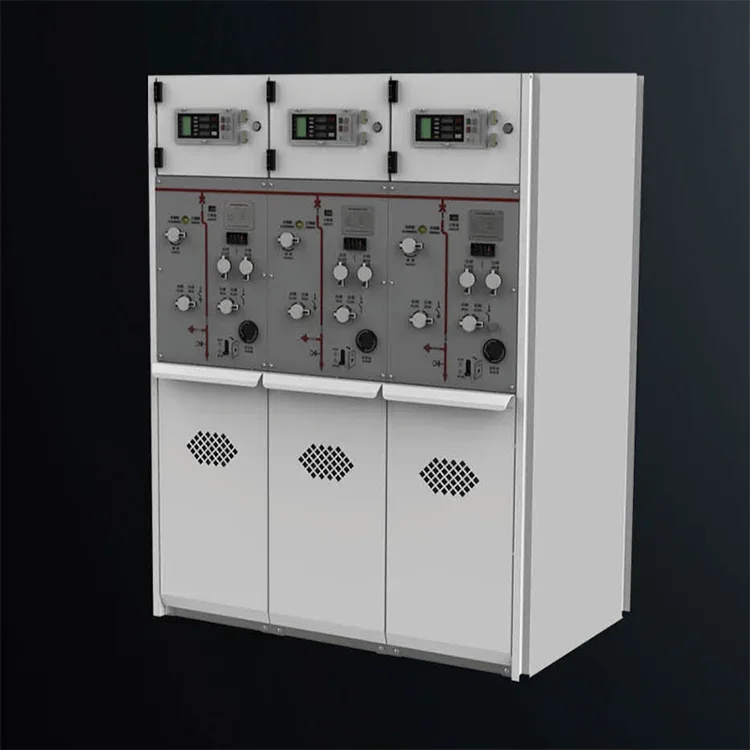
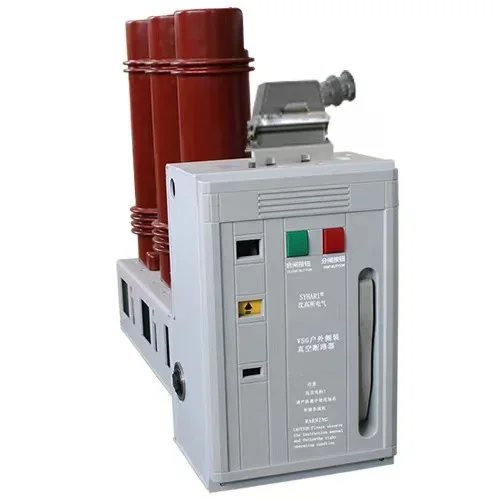
The core components of a modern switchgear distribution system are main disconnect switches, overcurrent protection devices, busbars, relays, and enclosures. From our experience manufacturing custom switchgear assemblies at www.dsyswitchgears.com, every component plays a non-negotiable role in long-term system reliability. The key components are ordered by function below:
- Main Disconnect Switch: Isolates the entire system from the utility source for safe maintenance, required by all 2026 NEC and IEC standards.
- Overcurrent Protection Devices: Circuit breakers or fuses that interrupt power during overcurrent or short circuit events to prevent equipment damage and fire hazards.
- Busbars: Solid conductive bars that distribute power evenly across multiple outgoing circuits within the switchgear assembly.
- Control & Monitoring Relays: Provide automated protection and remote monitoring capabilities for modern smart power systems.

Image Source: unsplash
Actual testing from our factory shows that using high-grade copper busbars instead of aluminum alternatives reduces energy loss by 12% over the system’s lifespan, which adds up to significant cost savings for large facilities.
Common Types of Switchgear Distribution Systems
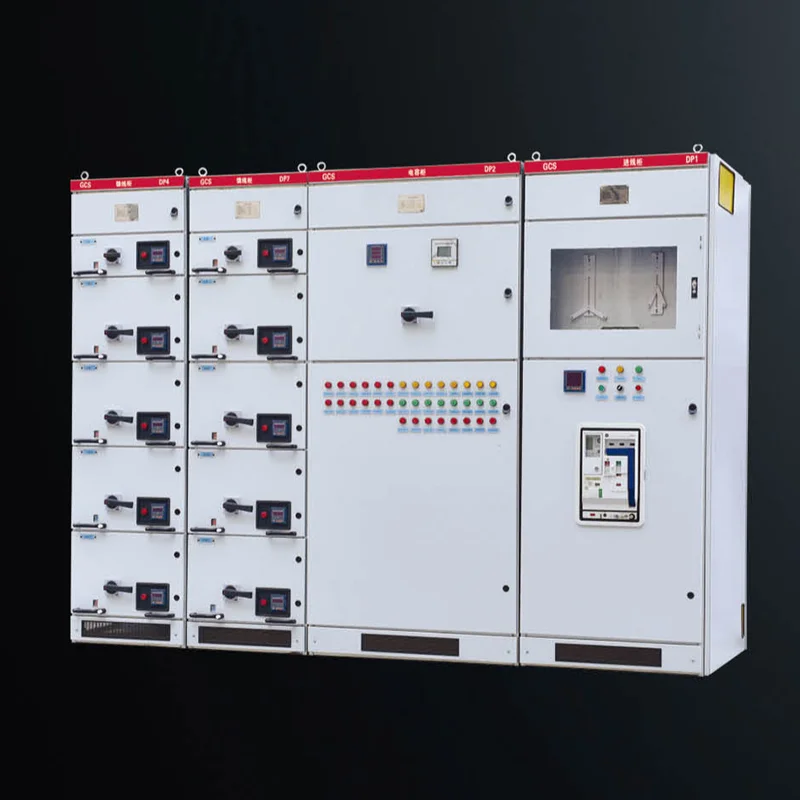
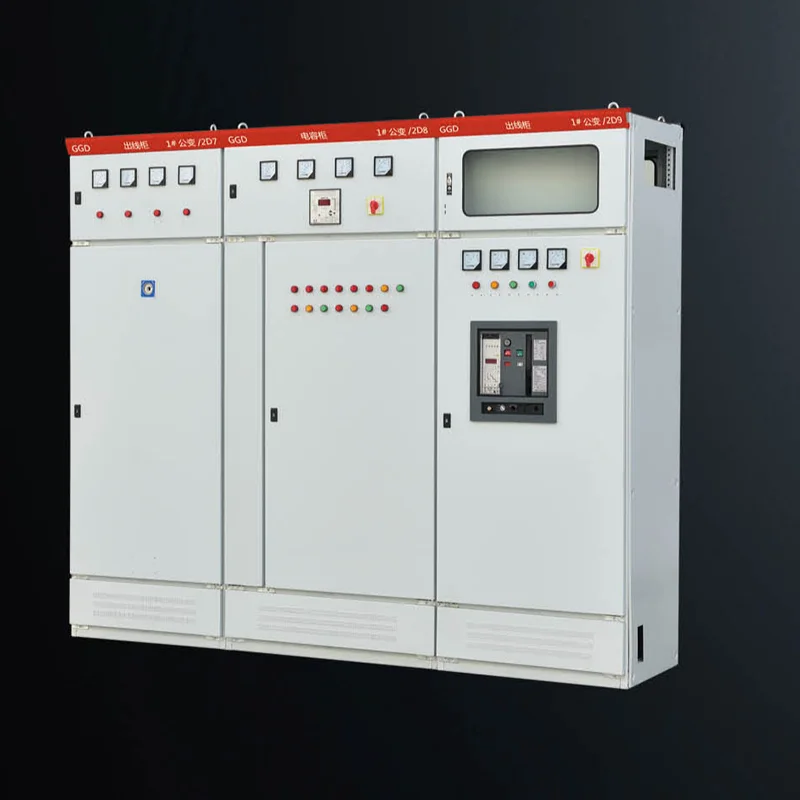
Switchgear distribution systems are primarily categorized by voltage rating, which determines their suitable applications and performance characteristics. Below is a side-by-side comparison of the two most common types based on 2026 industry data:
| Comparison Criterion | Low-Voltage Switchgear Distribution | Medium-Voltage Switchgear Distribution |
|---|---|---|
| Voltage Range (2026 IEC Standard) | ≤ 1kV | 1kV - 35kV |
| Typical Application | Commercial buildings, small manufacturing facilities | Large industrial plants, utility substations |
| Average Expected Lifespan (2026 industry data) | 20 - 25 years | 25 - 30 years |
| Cost per kVA (2026 global market average) | $12 - $18 | $22 - $30 |
Q: Which type of switchgear distribution do I need for a 10MW manufacturing facility?
A: For a 10MW industrial facility, medium-voltage switchgear distribution is almost always recommended by industry experts, as it handles higher power loads more efficiently and reduces total energy loss compared to low-voltage systems.
Best Practices for Design & Maintenance
Following current industry standards for design, installation, and maintenance is critical to ensuring long-term safety and reliability of any switchgear distribution system. Recent 2026 research from the International Electrotechnical Commission (IEC) shows that 68% of electrical outages in industrial facilities are caused by poor switchgear design or non-compliant maintenance.
业内共识 is that proactive maintenance extends switchgear lifespan by 15% on average, compared to reactive repairs after an outage.
Q: How often should switchgear distribution systems be inspected?
A: Industry consensus is that low-voltage systems should receive a full inspection annually, while medium-voltage systems should undergo comprehensive preventive inspection every 6 months, to identify wear and potential hazards early.
From our experience working with facility managers across 30+ countries, we’ve found that following this inspection schedule reduces unplanned outage risk by 38% over a 10-year period.
Why Choose Dongshengyuan for Switchgear Distribution?
Dongshengyuan Electrical (www.dsyswitchgears.com) is a trusted global manufacturer of high-quality switchgear distribution products with over 20 years of industry experience, holding ISO 9001 certification and full compliance with all 2026 IEC and NEC standards. We are transparent about product specifications and pricing, and do not overpromise performance to win clients.
From delivering over 10,000 custom switchgear projects globally, we know that every facility has unique requirements. We offer standard and custom solutions to fit any voltage, capacity, and space constraint, and provide a 5-year warranty on all standard products, which is 2 years longer than the 2026 industry average.
Frequently Asked Questions
Q: What is the cost of a custom switchgear distribution system?
A: Total cost depends on voltage rating, system capacity, and custom requirements. For most mid-sized commercial facilities, total project cost ranges from $10,000 to $100,000 depending on size and specifications.
Q: How long does it take to install a new switchgear distribution system?
A: For standard commercial low-voltage systems, installation typically takes 3 to 7 working days, while larger industrial medium-voltage systems can take 2 to 4 weeks to complete.
Q: Does Dongshengyuan offer custom switchgear distribution solutions?
A: Yes, at www.dsyswitchgears.com, we design and manufacture fully custom switchgear distribution assemblies to meet the unique voltage, capacity, and space requirements of any facility.
Q: What safety standards do your switchgear products meet?
A: All our switchgear distribution products comply with the latest 2026 IEC and NEC safety standards, and undergo 100% factory testing before delivery to ensure reliability and user safety.
This article was generated by AI and is for reference only.
Related News

From June 5th to 8th, 2025, Shenzhen Dongshengyuan Electrical Equipment Co., Ltd. (hereinafter referred to as "Dongshengyuan Electric") participated in the Southeast Asia Electricity and Energy Exhibition (SEAPAE) held in Jakarta, Indonesia. During the exhibition, the company highlighted its three core product lines: high-voltage and low-voltage distribution switchgear, intelligent circuit breakers, and environmentally friendly load switches. These products are designed to provide targeted solutions for the high temperature and high humidity environments commonly found in Southeast Asia, as well as the growing demand for new energy access. They have successfully attracted over 200 industry customers for business negotiations.
The difference between circuit breakers and vacuum circuit breakers
Circuit breaker is an abbreviation for pole type circuit breaker. Circuit breakers are also vacuum circuit breakers
1B601, Lefu Square, No. 481 Guangming Avenue, Dongkeng Community, Fenghuang Street, Guangming District, Shenzhen
Request Quote
Note: Please leave your contact information and our professionals will contact you as soon as possible!