Welcome to Shenzhen Dongshengyuan Electrical Equipment Co., Ltd.

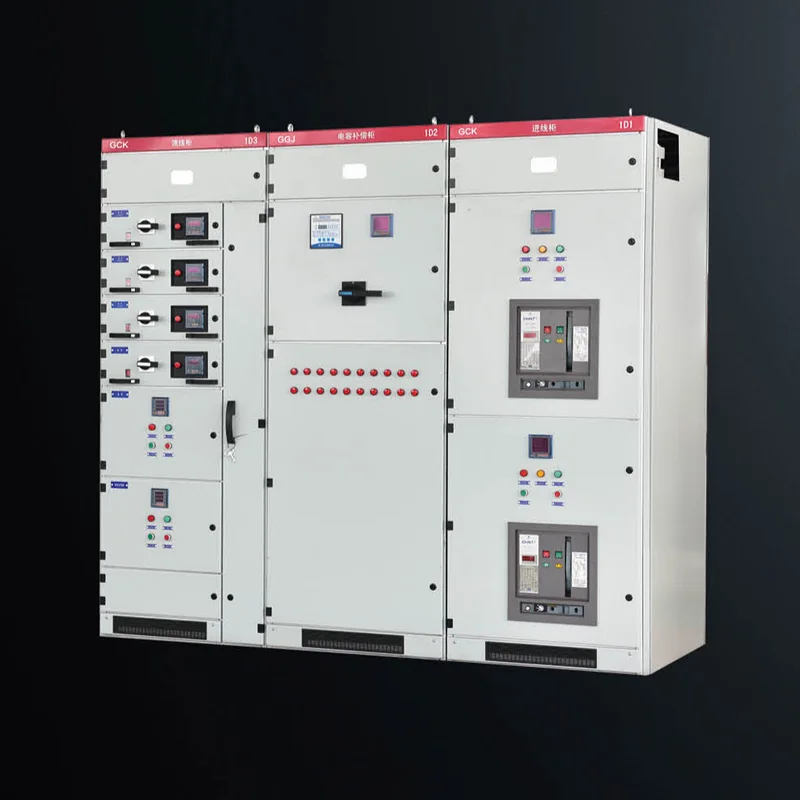
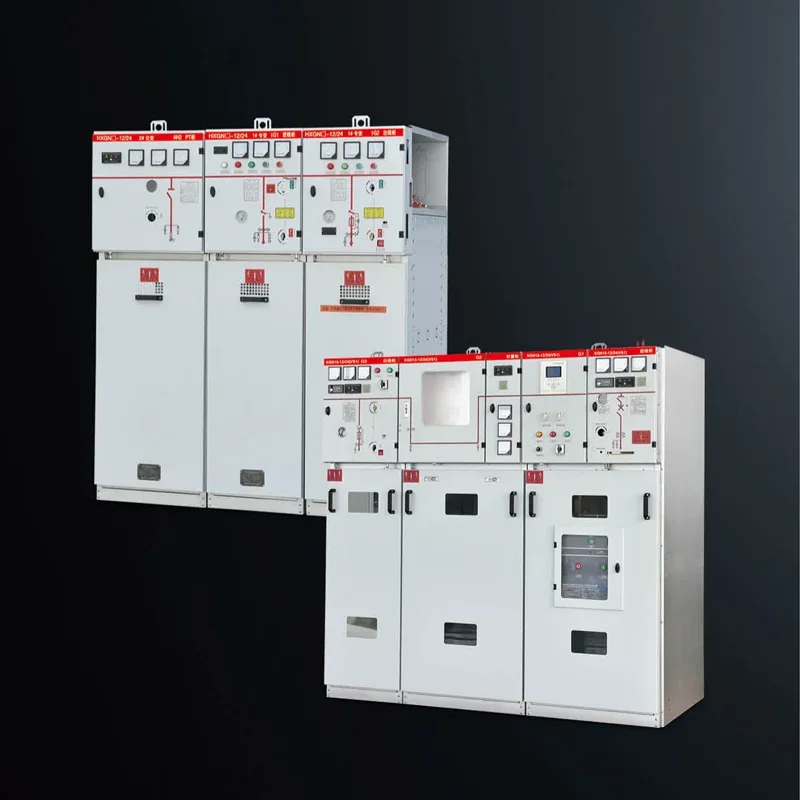
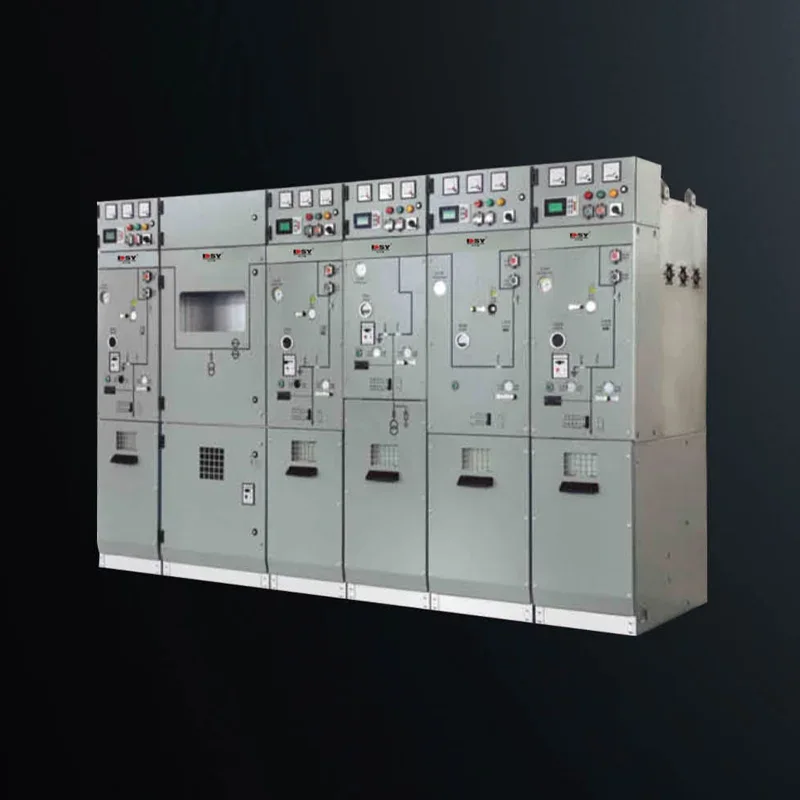
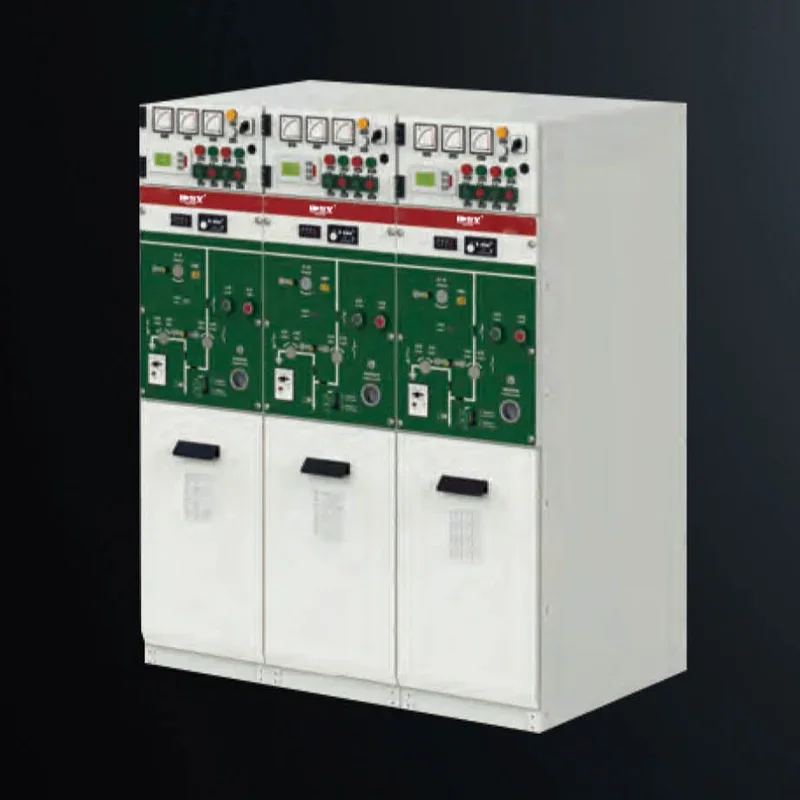
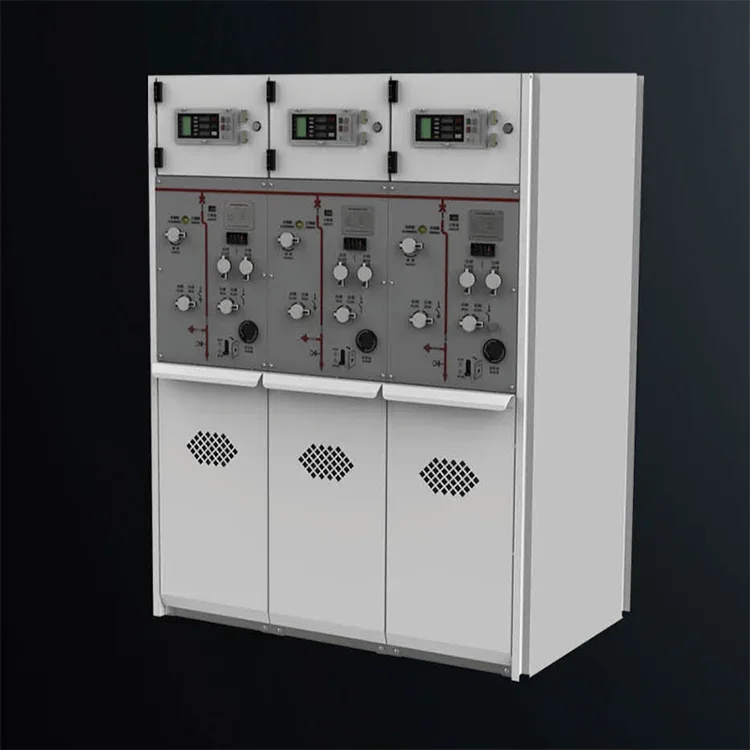
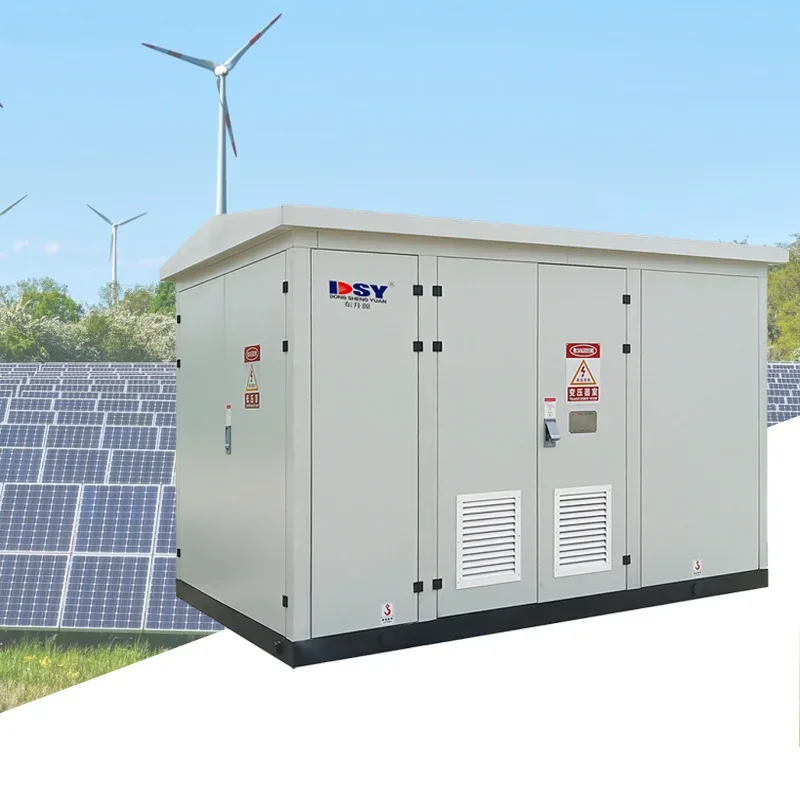
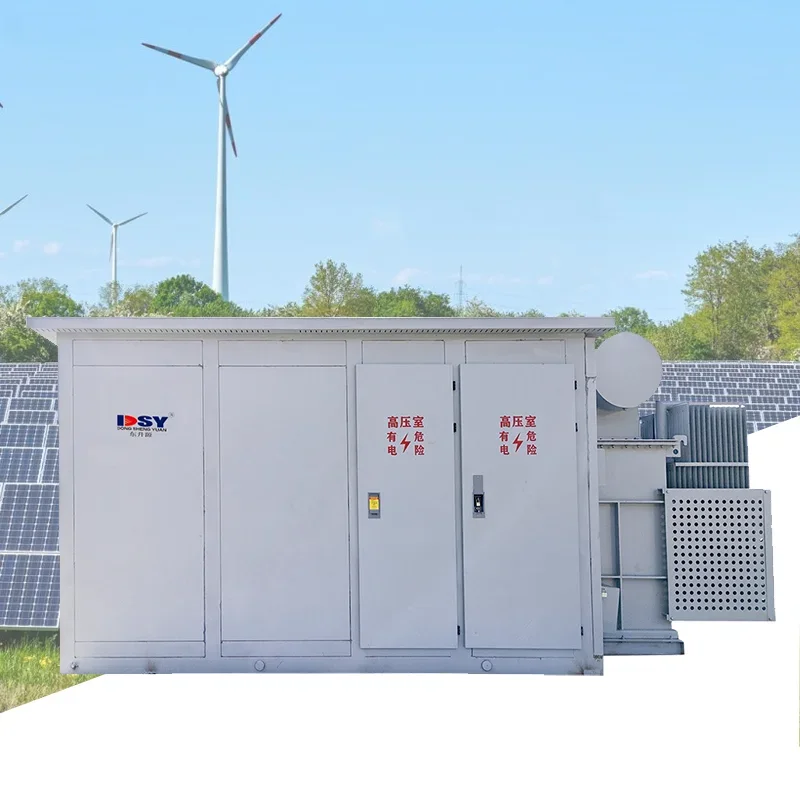
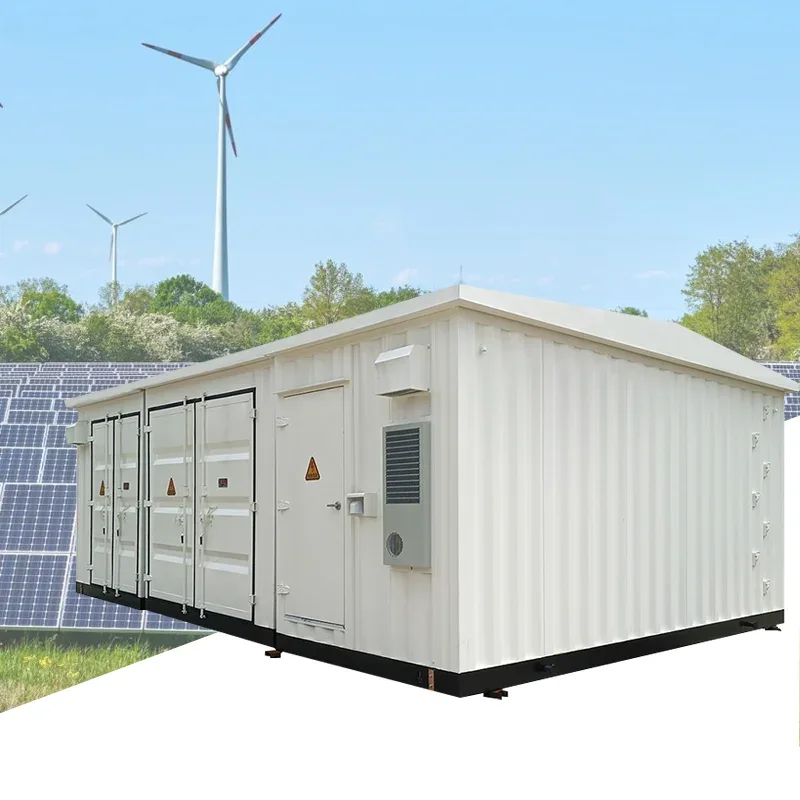

How to Choose a Medium Voltage Ring Main Unit Supplier for Overseas Projects
Source, evaluate, and verify medium voltage RMU suppliers for Middle East power distribution projects. Check engineering compliance, testing quality, manufacturing control, export documents and after-sales support to avoid hidden project risks.
Sep 15,2026
Selecting a medium voltage ring main unit (RMU) supplier is not only a price comparison exercise. For an overseas power distribution project, the supplier must also fit your voltage and operating requirements, provide the right technical documents, support inspection and commissioning, and respond when service is needed after delivery.
A practical supplier evaluation should cover six areas: product and application fit, engineering capability, testing, manufacturing control, export documentation, and after-sales support. This guide provides a buyer-side checklist for importers, distributors, EPC contractors, electrical contractors, and infrastructure project teams sourcing RMUs for Middle East markets.
1. Start with the project requirements, not the supplier catalogue
Before contacting manufacturers, prepare a project requirement sheet. It should include the rated voltage, rated current, short-circuit requirements, installation environment, number of ways, cable arrangement, protection and control requirements, enclosure requirements, and the local grid or project standard.
For outdoor equipment, add environmental conditions such as ambient temperature range, dust, humidity, solar exposure, corrosion risk, and the required enclosure protection level. Middle East projects may also require specific documentation for heat, dust, transport, site installation, or local authority approval. These requirements must be confirmed for each project rather than assumed from the region name alone.
For a distribution automation project, clarify whether the RMU needs remote monitoring, motorized operation, fault indication, or communication with a protection and control system. If the equipment will connect to an existing network, ask the supplier to review the interface requirements before quotation.
A supplier that asks detailed engineering questions at the quotation stage is easier to evaluate than one that sends a generic price without confirming the application.
Questions to include in your first RFQ
- What voltage and current range does the proposed RMU cover?
- Is the equipment intended for indoor or outdoor installation?
- What is the required number of incoming, outgoing, transformer, or metering ways?
- Which protection, control, automation, and communication functions are required?
- Which local and international standards apply to the project?
- What drawings, test reports, manuals, and certificates are required at approval and delivery stages?
- What site conditions may affect enclosure, insulation, coating, or cable termination design?
2. Check whether the supplier can engineer the complete solution
An RMU is part of a power distribution system. The supplier should be able to translate your single-line diagram, protection requirements, cable data, and installation conditions into a buildable configuration.
Ask for a preliminary technical proposal that clearly separates standard configuration from project-specific options. This helps you compare suppliers on an equivalent basis and prevents a low initial price from becoming a higher final cost after engineering changes.
The proposal should identify the main equipment configuration, operating mechanism, protection devices, control components, cable interfaces, enclosure arrangement, and testing scope. If the project includes distribution automation, the supplier should also explain the control and communication interface in language that your electrical engineer can review.
For OEM or project customization, request a drawing approval process. A useful process normally includes technical clarification, single-line diagram review, layout or outline drawing review, interface confirmation, manufacturing release, inspection, and delivery documentation. The exact sequence depends on the project contract.
From the company profile provided for Shenzhen Dongsheng Yuan, the business scope includes the research, manufacture, sales, installation, and service of high- and low-voltage power distribution equipment and electrical automation products. Its documented project and production information can support a discussion about integrated engineering and service. Product-specific technical suitability still needs to be confirmed against the buyer's actual specification.

3. Review testing and quality-control evidence
A supplier's quality statement is less useful than a clear inspection plan and traceable records. Ask what is inspected at each stage and which documents you will receive.
A practical quality review can cover:
- Incoming inspection – verification of purchased components and materials before use.
- Process control – checks during sheet-metal fabrication, welding, coating, assembly, wiring, sealing, and busbar processing.
- Routine testing – tests performed on the completed unit before shipment.
- Final inspection – verification against the approved drawings, technical agreement, nameplate data, accessories, and packing list.
- Document release – certificates of conformity, test reports, operation manuals, drawings, and other agreed documents.
The company profile states that its facilities include temperature-rise, partial-discharge, withstand-voltage, lightning-impulse, transformer-accuracy, loop-resistance, and shielding-room testing equipment. It also describes incoming inspection of purchased components and pre-delivery inspection. These statements are useful starting points for due diligence, but the buyer should request current equipment records, sample test reports, and the exact tests applicable to the proposed RMU configuration.
For standards, confirm the project requirement before quotation. IEC 62271-200:2021 applies to prefabricated metal-enclosed AC switchgear and controlgear for rated voltages above 1 kV and up to and including 52 kV. The IEC webstore also lists the 2024 amendment. The applicable edition, product category, internal arc requirements, and other project standards should be confirmed by the responsible engineer or authority.

Documents worth requesting before purchase
- General arrangement drawing
- Single-line diagram
- Technical data sheet
- Bill of materials or major component list
- Routine test plan and sample report
- Type-test or design-verification evidence, where applicable
- Quality certificate and inspection records
- Installation and operation manual
- Packing, marking, and shipping documents
- Spare-parts list and recommended maintenance information
4. Compare manufacturing capability with your project risk
A supplier's factory is relevant when it reduces production or quality risk. Look for evidence that the manufacturing process matches the equipment being quoted.
The supplied company profile describes a production base in Zhuhai, China, with sheet-metal processing, automatic and manual coating lines, insulated-cabinet production, copper busbar processing, and inspection facilities. It also lists laser cutting, CNC punching, CNC bending, welding, spraying, copper processing, and automated production equipment.
For a buyer, the key question is not how many machines are listed. It is whether the factory can control the critical processes for your equipment. Ask:
- Can the factory show the production route for the quoted RMU?
- Which processes are performed in-house and which are outsourced?
- How are dimensions, coating, sealing, busbar work, wiring, and labeling checked?
- How are design changes controlled after drawing approval?
- How are serial numbers and test records linked to each finished unit?
- What is the realistic production lead time for the current configuration?
- What happens if an approved component becomes unavailable?
Do not accept a general production-capacity claim as a substitute for a project-specific delivery plan. Request a written lead-time schedule that separates engineering, drawing approval, manufacturing, testing, packing, and shipping preparation.
5. Verify export readiness and project documentation
A manufacturer may be technically capable but still difficult to work with if its export documentation is incomplete. Before placing an order, confirm the full document list with your logistics, customs, consultant, and local approval teams.
Depending on the destination and contract, the document package may include commercial documents, packing details, product drawings, manuals, certificates, inspection records, test reports, origin documents, and shipping marks. The exact requirements vary by product, destination, project owner, and local authority.
If the buyer needs a specific certification or approval, ask for the certificate itself and confirm:
- Legal entity named on the certificate
- Product scope and model range
- Standard and edition
- Issuing body
- Issue date and expiry or validity status
- Whether the certificate applies to the quoted configuration
The company profile states that some products have been exported directly or indirectly to the Middle East, Africa, and Southeast Asia. This is a useful point to discuss export documentation and project support, but it should not be presented as proof of approval in every Middle Eastern country. Country-specific compliance must be checked for each project.
6. Evaluate after-sales support before the order is signed
After-sales service is part of the procurement decision, especially for equipment installed in remote sites or critical distribution networks. A useful service review should define who handles technical questions, spare parts, troubleshooting, site support, and warranty claims.
The supplied company profile describes installation and commissioning support, a one-year quality guarantee, lifetime maintenance support, and stated response targets of 2–8 hours within Guangdong, 24–72 hours outside Guangdong, and 5–7 days overseas. These commitments should be converted into contract language that defines the starting point, working days, service channel, travel conditions, spare-parts responsibility, and exclusions.
For an overseas buyer, also ask whether remote troubleshooting is available in English and whether the supplier can provide commissioning instructions, wiring references, troubleshooting tables, and spare-parts recommendations. If local installation is handled by an EPC contractor, confirm the handover requirements before shipment.
Practical Checklist: Medium Voltage RMU Supplier Evaluation
Use this checklist before comparing final quotations:
Real-World Evidence from the Supplied Company Profile
The provided company profile lists production and testing facilities, project names involving ring main units, switchgear, box-type substations, cable branch boxes, and distribution upgrades, as well as six described project references. These include power supply support for the 2008 Olympic Village, outdoor SF6 ring main boxes for the Hefei Baohe Avenue project, distribution automation equipment for a 10 kV project in western Gansu, a 10 kV box-type switching station project for a railway equipment manufacturer, and ring main cabinets for the 2016 Hangzhou G20 event.
These references should be treated as company-provided project history. Before publishing a customer case study or naming a project owner, obtain permission and verify the project scope, delivery date, supplied model, and measurable result. Where permission is unavailable, use an anonymized project description instead of implying a public endorsement.
Summary
The right medium voltage RMU supplier should be evaluated as an engineering and delivery partner, not only as a quoted unit price. Confirm application fit, technical documents, test evidence, manufacturing control, export readiness, lead time, and after-sales responsibilities before you compare the final offers.
Need help reviewing an RMU requirement for an overseas project? Send your single-line diagram, voltage level, configuration, installation environment, and target delivery date for a technical review. CTA button text: Send an RFQ Supporting copy: Share your project requirements and receive a configuration and documentation review from our sales and engineering team. Link target page: [https://www.dsyswitchgears.com/contact.html]
FAQ (Ready for FAQ Schema markup)
Q1: What should I check first when choosing a medium voltage RMU supplier?
A1: Start with application fit. Confirm the voltage, current, short-circuit requirement, installation environment, number of ways, protection and control functions, applicable standards, and required documentation before comparing price.
Q2: Which documents should an RMU supplier provide before delivery?
A2: The agreed document package may include approved drawings, a single-line diagram, technical data, routine test reports, certificates of conformity, operation manuals, packing details, and shipping documents. The exact list should be confirmed in the project contract.
Q3: Does IEC 62271-200 apply to every medium voltage RMU?
A3: IEC 62271-200:2021 covers prefabricated metal-enclosed AC switchgear and controlgear for rated voltages above 1 kV and up to and including 52 kV. The applicable standard, edition, product category, and project requirements must still be confirmed for the specific RMU.
Q4: How can I compare RMU suppliers fairly?
A4: Give each supplier the same technical requirements and compare configuration, included components, testing, documents, lead time, warranty, spare-parts support, and shipping scope—not only the equipment price.
Q5: What should I ask about RMU lead time?
A5: Ask the supplier to separate engineering, drawing approval, manufacturing, testing, packing, and shipping preparation. Also confirm the assumptions behind the quoted lead time, including component availability and approval turnaround.
Q6: Can Shenzhen Dongsheng Yuan provide customized power distribution equipment?
A6: The supplied company profile describes research, manufacturing, sales, installation, and service for power distribution and electrical automation products, together with production and testing facilities. Whether a specific RMU configuration can be customized must be confirmed against the project drawings and technical requirements.
Q7: What after-sales information should be included in an RMU purchase contract?
A7: Define the warranty period, response-time starting point, remote support, site commissioning, spare parts, troubleshooting responsibility, travel conditions, exclusions, and the process for warranty claims.
PREVIOUS:
Related News

From June 5th to 8th, 2025, Shenzhen Dongshengyuan Electrical Equipment Co., Ltd. (hereinafter referred to as "Dongshengyuan Electric") participated in the Southeast Asia Electricity and Energy Exhibition (SEAPAE) held in Jakarta, Indonesia. During the exhibition, the company highlighted its three core product lines: high-voltage and low-voltage distribution switchgear, intelligent circuit breakers, and environmentally friendly load switches. These products are designed to provide targeted solutions for the high temperature and high humidity environments commonly found in Southeast Asia, as well as the growing demand for new energy access. They have successfully attracted over 200 industry customers for business negotiations.
The difference between circuit breakers and vacuum circuit breakers
Circuit breaker is an abbreviation for pole type circuit breaker. Circuit breakers are also vacuum circuit breakers
1B601, Lefu Square, No. 481 Guangming Avenue, Dongkeng Community, Fenghuang Street, Guangming District, Shenzhen
Request Quote
Note: Please leave your contact information and our professionals will contact you as soon as possible!