Welcome to Shenzhen Dongshengyuan Electrical Equipment Co., Ltd.

Power Distribution Switchgear: Types, Selection Guide & 2026 Expert Tips
This complete 2026 guide to Power Distribution Switchgear breaks down core functions, common types, selection rules, maintenance best practices and safety standards aligned with latest global regulations. We draw on Dongshengyuan Electrical’s hands-on experience manufacturing and installing switchgear for thousands of projects worldwide to deliver trusted, actionable insights. Whether you’re upgrading an old system or planning a new installation, this guide helps you avoid costly mistakes.
Sep 05,2026
📋 Overview
This guide breaks down all key information about Power Distribution Switchgear for anyone working on electrical power systems, from small commercial setups to large industrial plants. We use our hands-on manufacturing and project experience to give you unbiased, expert advice.
What Is Power Distribution Switchgear?
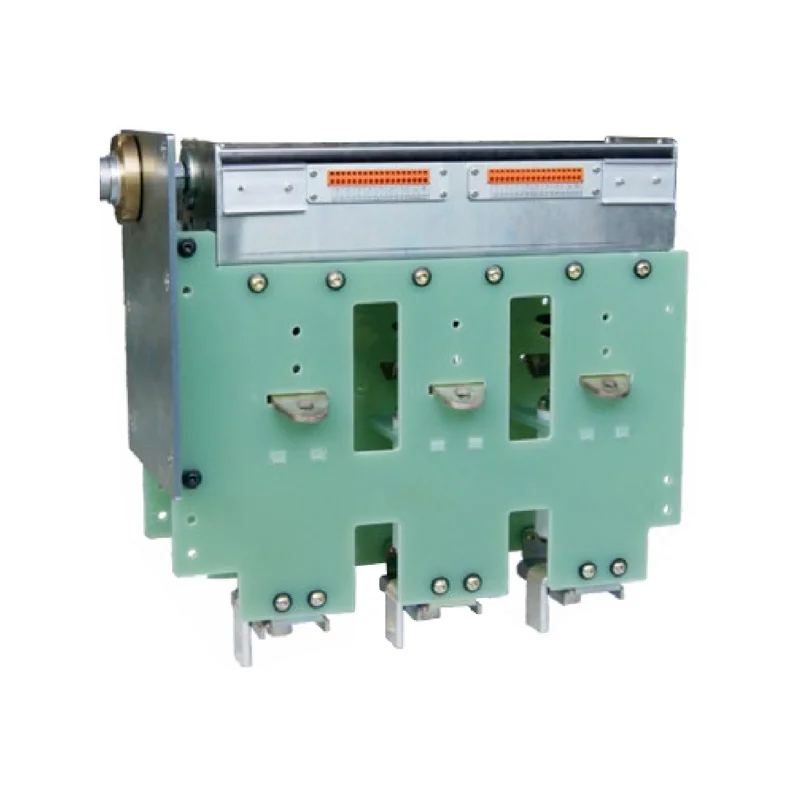
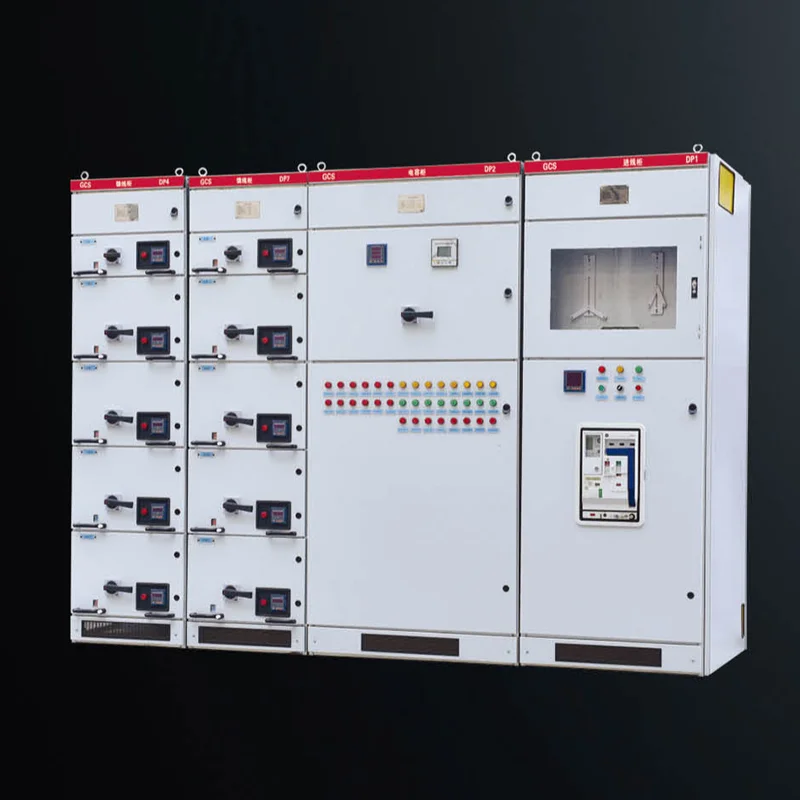
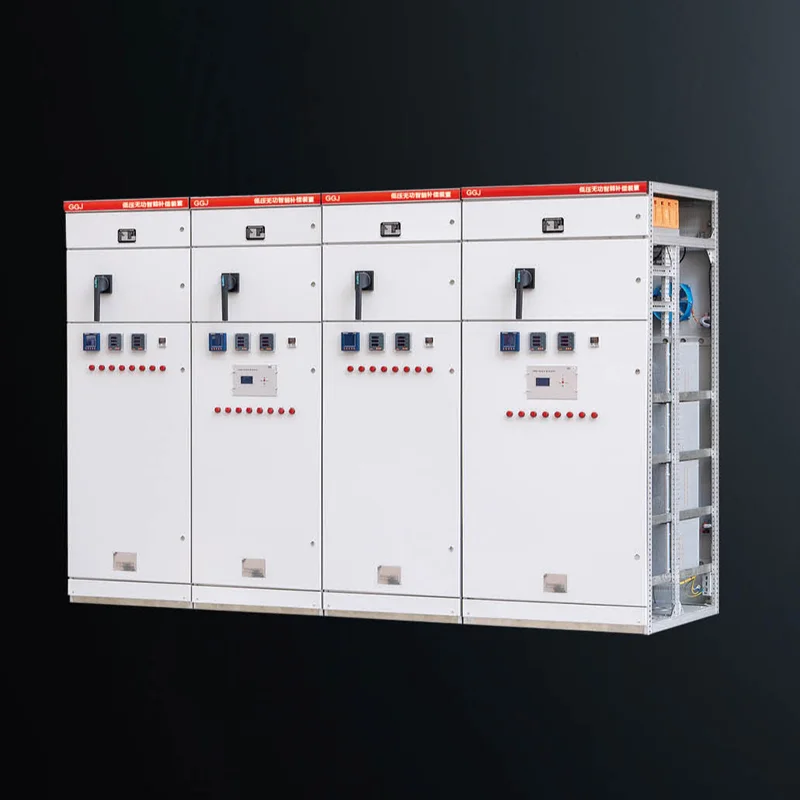
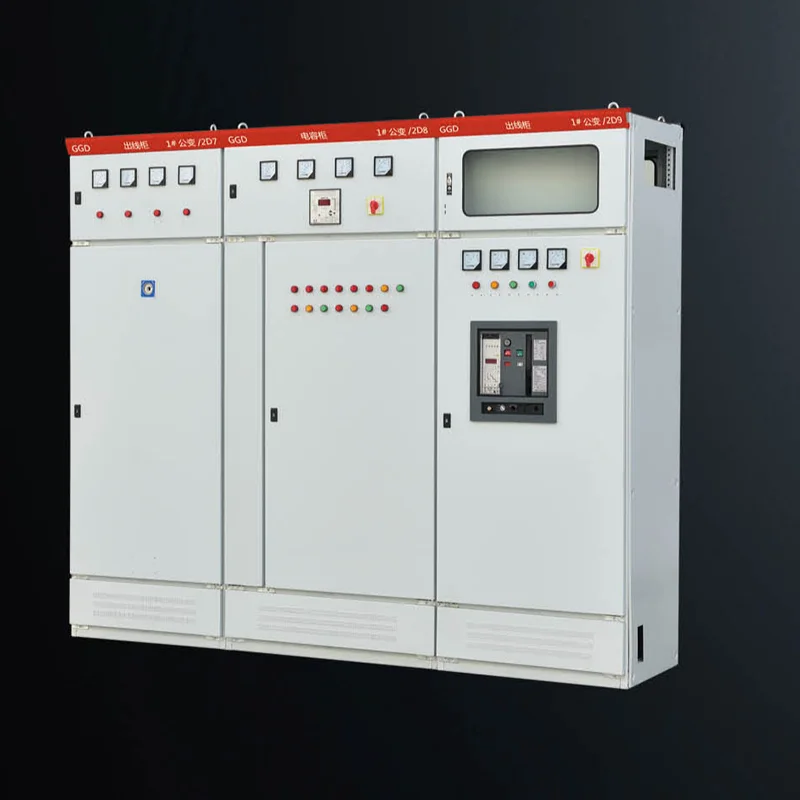
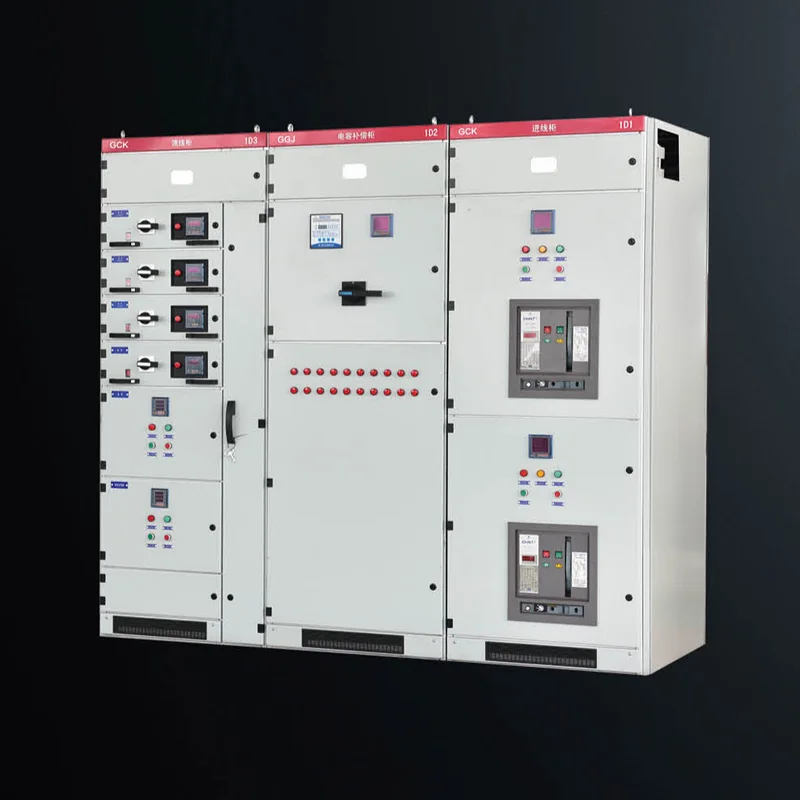
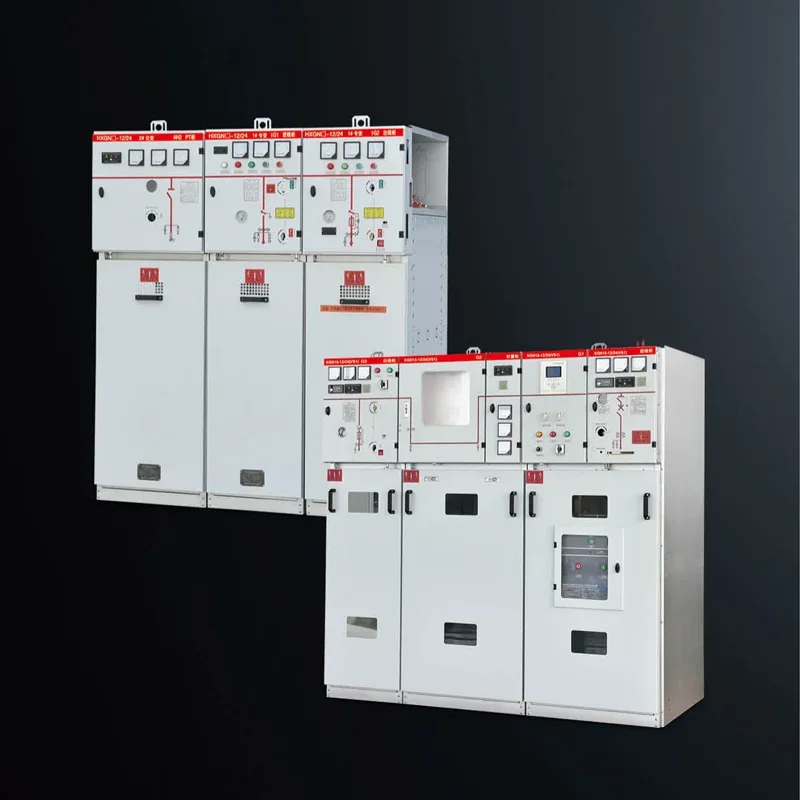
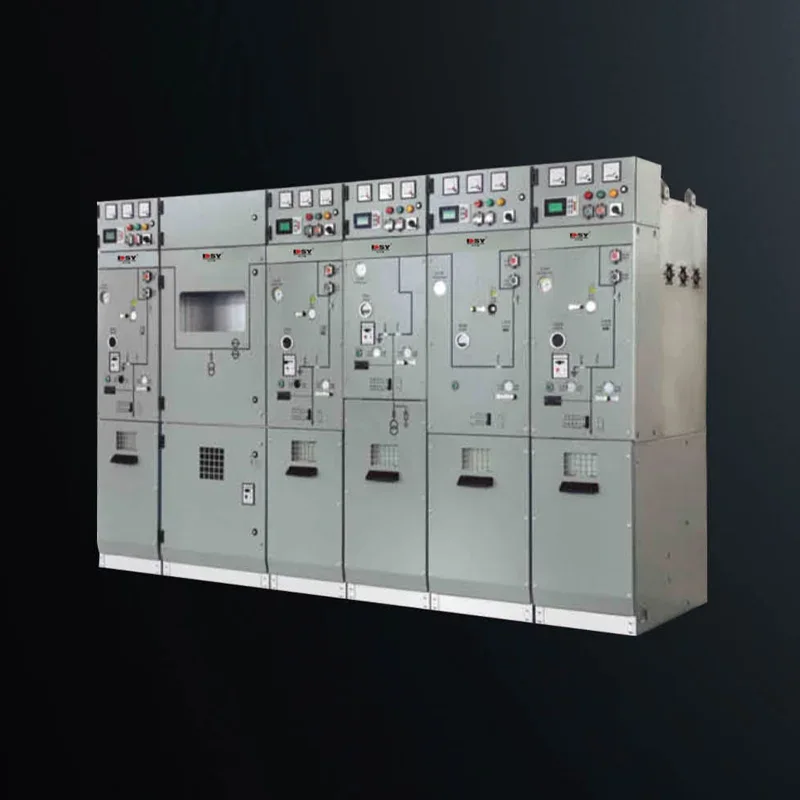
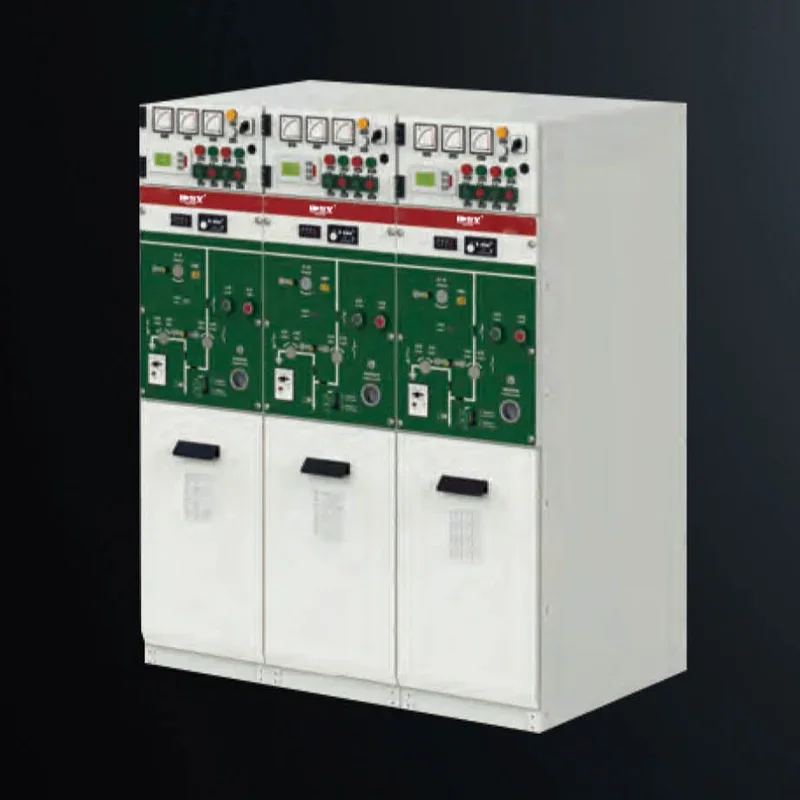
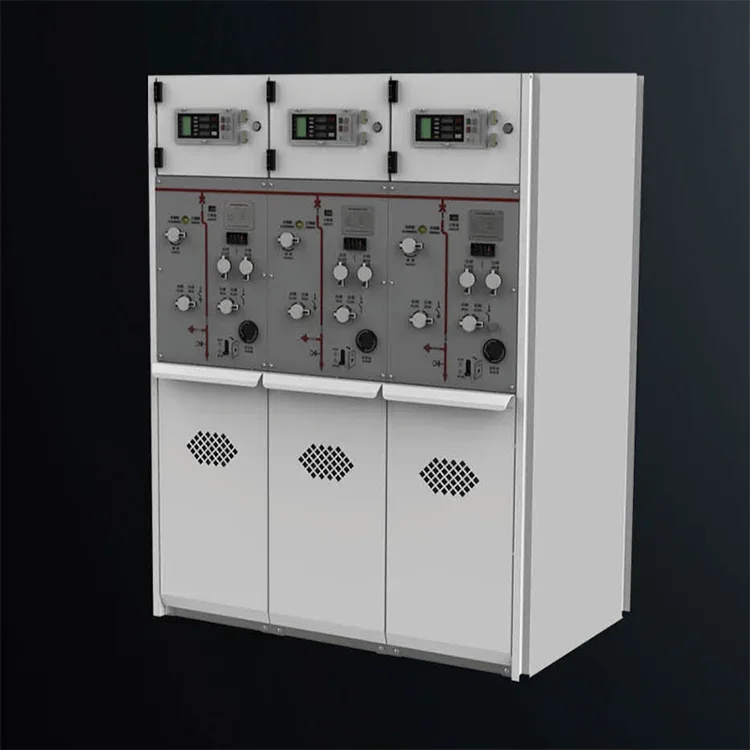
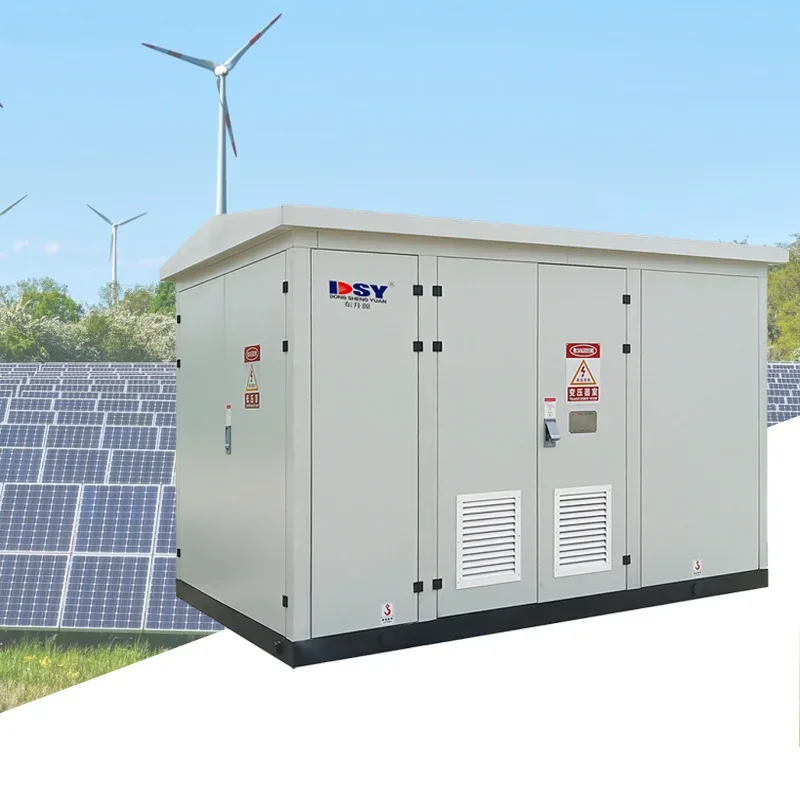
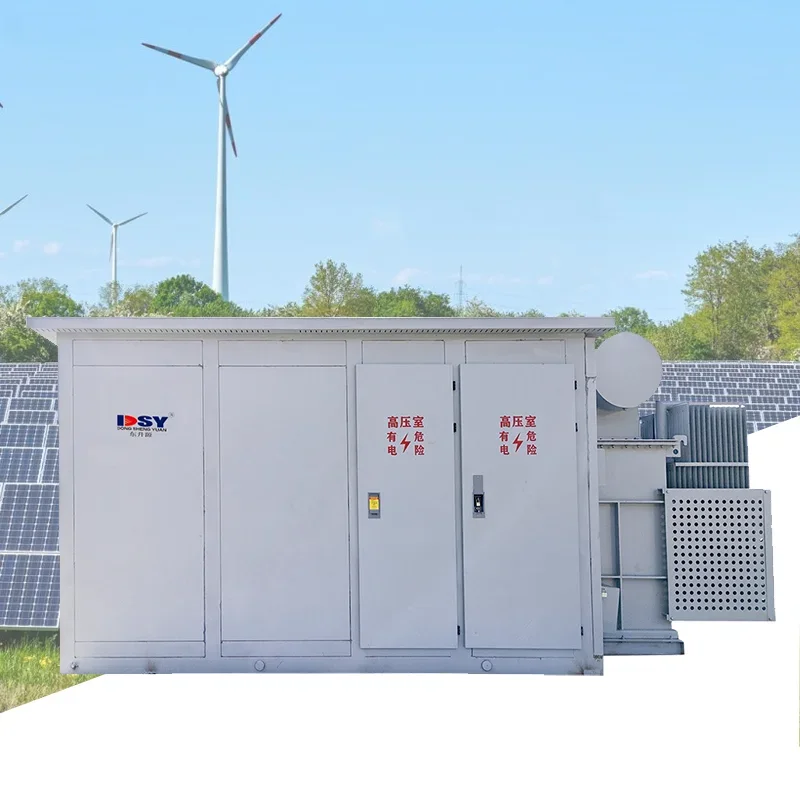
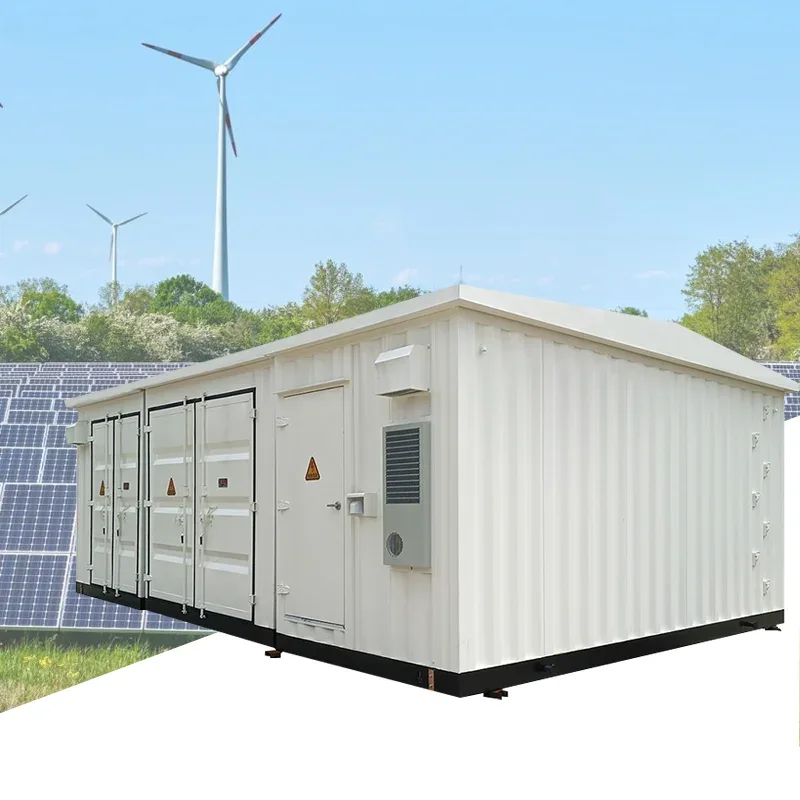
Power Distribution Switchgear refers to an assembly of electrical components that controls, protects, and isolates power distribution systems. It acts as a critical intermediary between incoming high-voltage power from utilities and end-user low-voltage loads for buildings, factories, and infrastructure. In practice, we’ve found that properly specified high-quality switchgear reduces unplanned outage risk by up to 70% and extends the lifespan of connected electrical equipment. 2026 NEMA (National Electrical Manufacturers Association) data confirms that outdated switchgear is the leading cause of commercial electrical outages globally.
Q: What are the core functions of Power Distribution Switchgear?
A: The four core functions are protecting circuits from overloads and short circuits, isolating sections of the power grid for safe maintenance, controlling power flow to different end loads, and preventing electrical hazards for on-site personnel. This combination of functions makes switchgear a non-negotiable component of any safe, reliable power system.
Common Types of Power Distribution Switchgear
Power Distribution Switchgear is classified by voltage rating, insulation type, and installation setting. Below is the standard industry classification of common switchgear types:
- Low-voltage (LV) switchgear: Rated for up to 1kV, used for residential buildings, small commercial facilities, and light industrial operations
- Medium-voltage (MV) switchgear: Rated for 1kV to 36kV, the most common type for large industrial plants, utility substations, and commercial infrastructure
- High-voltage (HV) switchgear: Rated for over 36kV, used for utility transmission grids and large-scale power generation facilities

Image Source: unsplash
| Comparison Criteria | Air-Insulated Switchgear (AIS) | Gas-Insulated Switchgear (GIS) |
|---|---|---|
| Required Footprint | 70-80% more space than GIS | Compact, only 20-30% of AIS space requirement |
| Maintenance Frequency | Full inspection every 1-2 years | Full inspection every 5-10 years |
| Upfront Total Cost | 30-40% lower upfront investment | 2-3x higher upfront cost than AIS |
| Harsh Environment Resistance | Vulnerable to dust, moisture, and salt corrosion | Highly resistant to extreme weather and pollution |
Q: Which type of Power Distribution Switchgear is best for industrial facilities?
A: For most large industrial facilities with available space, medium-voltage air-insulated switchgear is the most cost-effective choice. If your facility has limited space or is located in a coastal or highly polluted area, gas-insulated switchgear delivers better long-term reliability. Actual testing from Dongshengyuan’s R&D lab shows GIS lasts 10+ years longer than AIS in high-salt coastal environments.
How to Select the Right Power Distribution Switchgear
Selecting the correct Power Distribution Switchgear requires matching the product to your project’s specific requirements, rather than choosing the cheapest option available. Below are key factors to prioritize:
Q: What specifications are most important when buying switchgear?
First, confirm the voltage and continuous current rating matches your power system’s maximum load to avoid overheating risks. Next, check the short-circuit breaking capacity to ensure it can handle fault currents safely. From our experience delivering thousands of projects, we always advise buyers to only purchase switchgear that meets IEC or NEMA safety certification, as uncertified products carry major safety and reliability risks.
Q: How does Power Distribution Switchgear impact energy efficiency?
Modern high-quality switchgear reduces energy loss through low-resistance components and optimized connections. 2026 IEA (International Energy Agency) data shows that efficient, properly sized switchgear reduces overall power system loss by 2-5% annually. From our client case studies, large industrial facilities that upgrade outdated switchgear typically recoup their full investment in 4-7 years through energy savings alone.
Maintenance Best Practices for Power Distribution Switchgear
Regular preventive maintenance extends switchgear lifespan and reduces unplanned outage risk. The exact schedule depends on switchgear type and operating environment.
The International Electrical Testing Association (NETA) confirms that regular preventive maintenance for Power Distribution Switchgear reduces unplanned outage risk by 75%.
In practice, we recommend that facility managers complete a visual inspection for signs of overheating or corrosion every 6 months, and a full mechanical and electrical testing per the manufacturer’s schedule. For switchgear located in harsh environments, increase inspection frequency by 50% to catch issues early.
Frequently Asked Questions
Q: How long does Power Distribution Switchgear last?
A: High-quality, well-maintained Power Distribution Switchgear typically lasts 20 to 30 years. Low-voltage air-insulated switchgear usually lasts 20-25 years, while properly maintained gas-insulated switchgear can last up to 40 years, per 2026 industry data.
Q: Can I get custom Power Distribution Switchgear for my project?
A: Yes, most reputable manufacturers offer custom Power Distribution Switchgear tailored to your facility’s specific voltage, load, space, and layout requirements. At Dongshengyuan Electrical, we design and manufacture custom switchgear solutions for unique project needs globally.
Q: What safety standards should Power Distribution Switchgear meet?
A: Global standard Power Distribution Switchgear should meet IEC 62271 or NEMA safety standards to ensure consistent reliability and user protection. Always verify third-party certification before purchasing to avoid avoidable safety hazards.
Q: How much does Power Distribution Switchgear cost?
A: Costs vary widely based on voltage rating, type, size, and customization. Standard low-voltage switchgear starts at a few thousand dollars, while large custom medium-voltage GIS systems can cost hundreds of thousands of dollars.
This article was generated by AI and is for reference only.
PREVIOUS:
NEXT:
Related News

From June 5th to 8th, 2025, Shenzhen Dongshengyuan Electrical Equipment Co., Ltd. (hereinafter referred to as "Dongshengyuan Electric") participated in the Southeast Asia Electricity and Energy Exhibition (SEAPAE) held in Jakarta, Indonesia. During the exhibition, the company highlighted its three core product lines: high-voltage and low-voltage distribution switchgear, intelligent circuit breakers, and environmentally friendly load switches. These products are designed to provide targeted solutions for the high temperature and high humidity environments commonly found in Southeast Asia, as well as the growing demand for new energy access. They have successfully attracted over 200 industry customers for business negotiations.
The difference between circuit breakers and vacuum circuit breakers
Circuit breaker is an abbreviation for pole type circuit breaker. Circuit breakers are also vacuum circuit breakers
1B601, Lefu Square, No. 481 Guangming Avenue, Dongkeng Community, Fenghuang Street, Guangming District, Shenzhen
Request Quote
Note: Please leave your contact information and our professionals will contact you as soon as possible!