Welcome to Shenzhen Dongshengyuan Electrical Equipment Co., Ltd.


How to Select a Vacuum Circuit Breaker: Ratings, Standards and a Practical Checklist
A vacuum circuit breaker (VCB) is one of the most critical — and most specified — components in a medium-voltage system. Choosing the right one is not just about matching a voltage class. This guide walks through the ratings that matter, the standards to check, and a practical checklist you can take into a procurement meeting.
Nov 19,2026
1. Start with the network conditions
Before comparing models, establish the basics: nominal voltage and frequency, the short-circuit level at the point of installation, whether the system is earthed or unearthed, and the expected switching duty. These determine almost every downstream rating the breaker must meet.

2. Key ratings to verify
- Rated voltage and rated current, matched to the feeder load.
- Rated short-circuit breaking current, based on the maximum fault level.
- Rated short-time withstand current and peak withstand current.
- Mechanical and electrical endurance (number of operations).
- Operating mechanism type and control supply voltage.
A useful rule: never select breaking capacity from the transformer size alone. Base it on the calculated fault level at the installation point, including future network development.
3. Breaking capacity, explained
Breaking capacity is the maximum fault current the breaker can safely interrupt. The vacuum interrupter extinguishes the arc at a current zero, and the contacts must recover dielectric strength fast enough to prevent restriking. This is why the rating is tied to specific test conditions and why type-test documentation matters more than a headline number.
4. Standards to look for
Table 1. Commonly referenced standards
Standard | Scope |
IEC 62271-100 | High-voltage alternating-current circuit breakers |
IEC 62271-1 | Common specifications for switchgear and controlgear |
IEC 60060 / 60270 | High-voltage testing / partial discharge measurement |
Local national standards | Grid-specific requirements and approvals |
Ask the supplier for type-test and routine-test reports, not just a certificate of conformity. Verify that the reported ratings correspond to the exact configuration you are buying.
5. Fixed, withdrawable or pole-mounted?
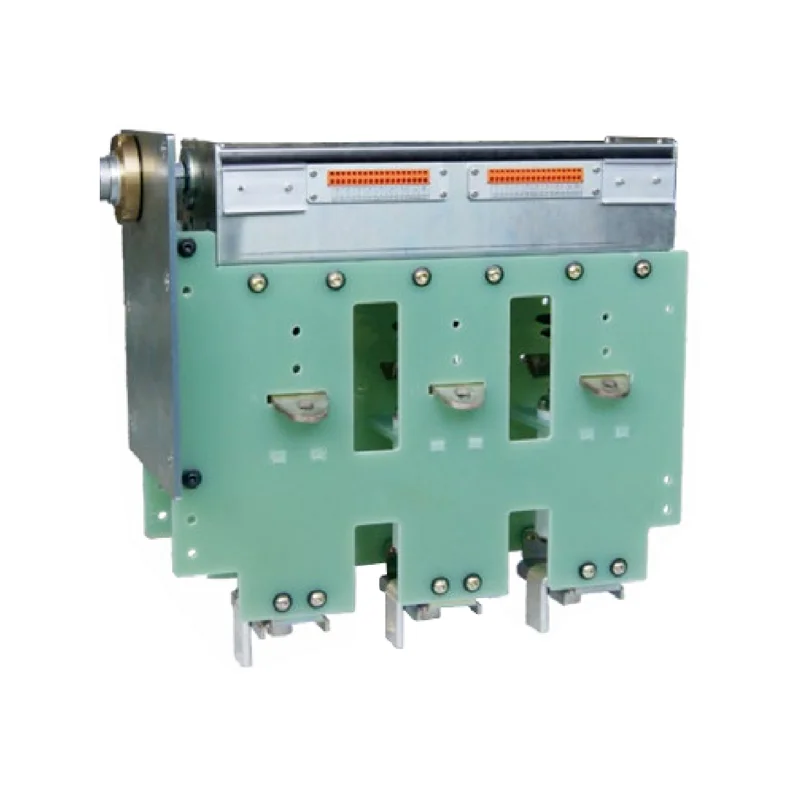
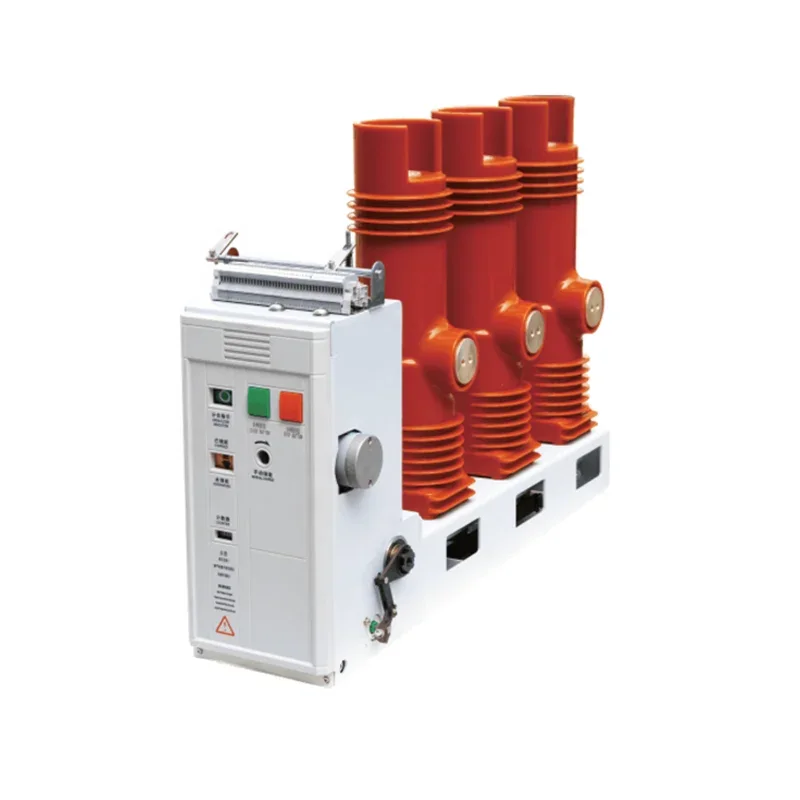
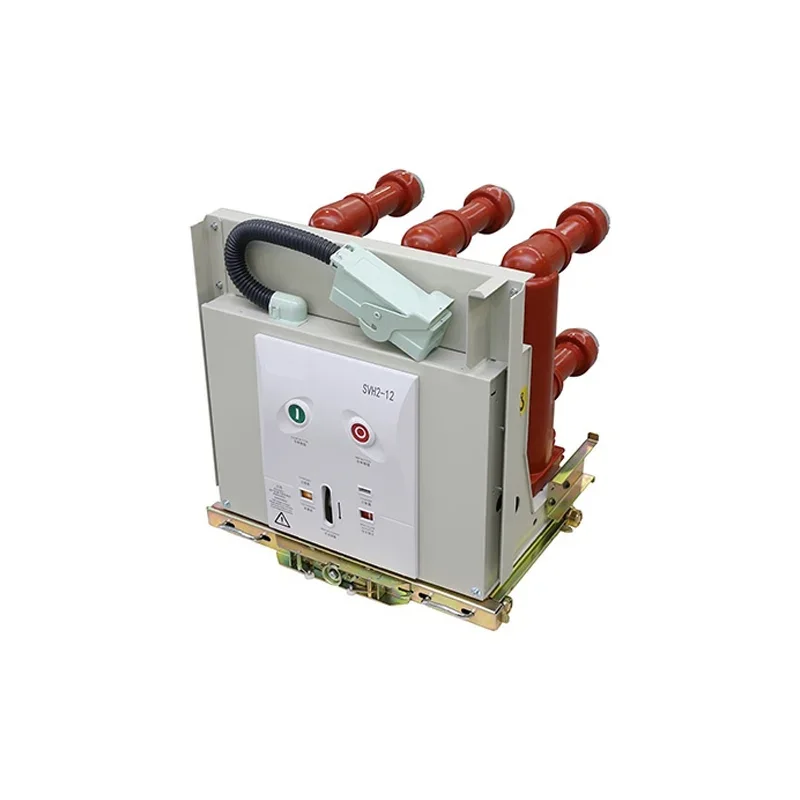
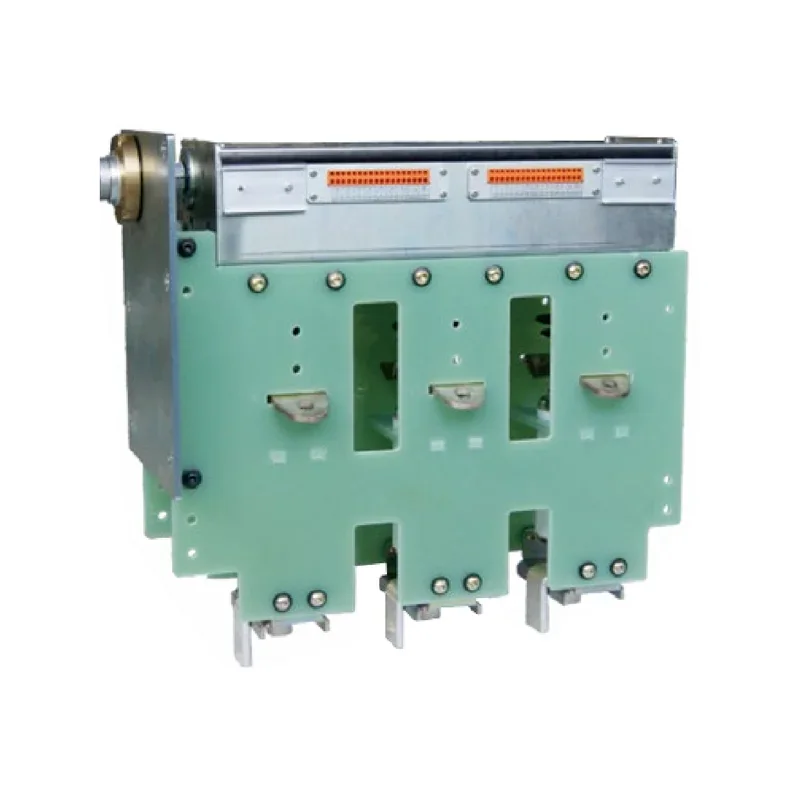
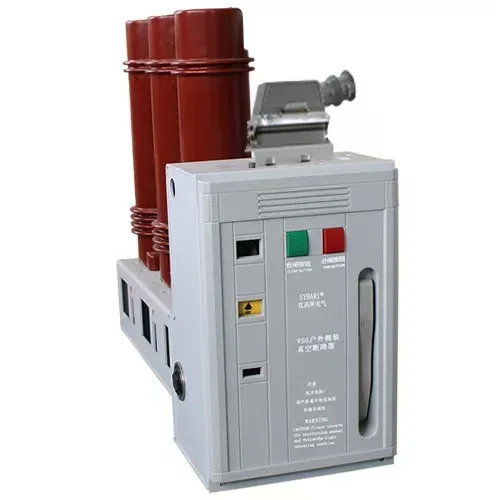
Indoor metal-clad switchgear typically uses a withdrawable (handcart) VCB for maintainability and safety, while fixed designs are more compact and cost-effective. Outdoor distribution uses pole-mounted reclosers and breakers. The right format depends on the installation, maintenance strategy and available space.

6. A practical selection checklist
- Confirm voltage, frequency, load current and fault level with the utility or designer.
- Choose the installation format (withdrawable, fixed or pole-mounted).
- Verify all ratings against type-test documentation.
- Confirm control voltage, protection interface and communication requirements.
- Check mechanical endurance and expected maintenance interval.
- Review warranty, spare parts availability and service coverage.
7. Frequently asked questions
How long does a vacuum interrupter last?
A quality vacuum interrupter is sealed for life and often lasts the service life of the breaker, but electrical endurance depends on how often it interrupts fault current. Check the manufacturer's electrical endurance rating for your duty cycle.
Are VCBs maintenance-free?
They are low-maintenance, not no-maintenance. The mechanism needs periodic inspection and lubrication, and contacts should be checked after fault interruptions. Condition monitoring can extend intervals safely.
What documentation should a supplier provide?
Request type-test and routine-test reports, the relevant compliance certificates, drawing and rating schedules, and a clear warranty and after-sales commitment.
Planning a project? Define your load, voltage and fault level first, then compare breakers on verified test documentation and lifecycle support — not just the headline price. A correctly specified VCB quietly pays for itself through fewer outages and lower lifetime cost. Speak with a qualified supplier to review your single-line diagram before you finalise the specification. |
General guidance only. Final design and equipment selection must comply with local regulations and applicable standards.
PREVIOUS:
Related News

From June 5th to 8th, 2025, Shenzhen Dongshengyuan Electrical Equipment Co., Ltd. (hereinafter referred to as "Dongshengyuan Electric") participated in the Southeast Asia Electricity and Energy Exhibition (SEAPAE) held in Jakarta, Indonesia. During the exhibition, the company highlighted its three core product lines: high-voltage and low-voltage distribution switchgear, intelligent circuit breakers, and environmentally friendly load switches. These products are designed to provide targeted solutions for the high temperature and high humidity environments commonly found in Southeast Asia, as well as the growing demand for new energy access. They have successfully attracted over 200 industry customers for business negotiations.
The difference between circuit breakers and vacuum circuit breakers
Circuit breaker is an abbreviation for pole type circuit breaker. Circuit breakers are also vacuum circuit breakers
1B601, Lefu Square, No. 481 Guangming Avenue, Dongkeng Community, Fenghuang Street, Guangming District, Shenzhen
Request Quote
Note: Please leave your contact information and our professionals will contact you as soon as possible!