Welcome to Shenzhen Dongshengyuan Electrical Equipment Co., Ltd.

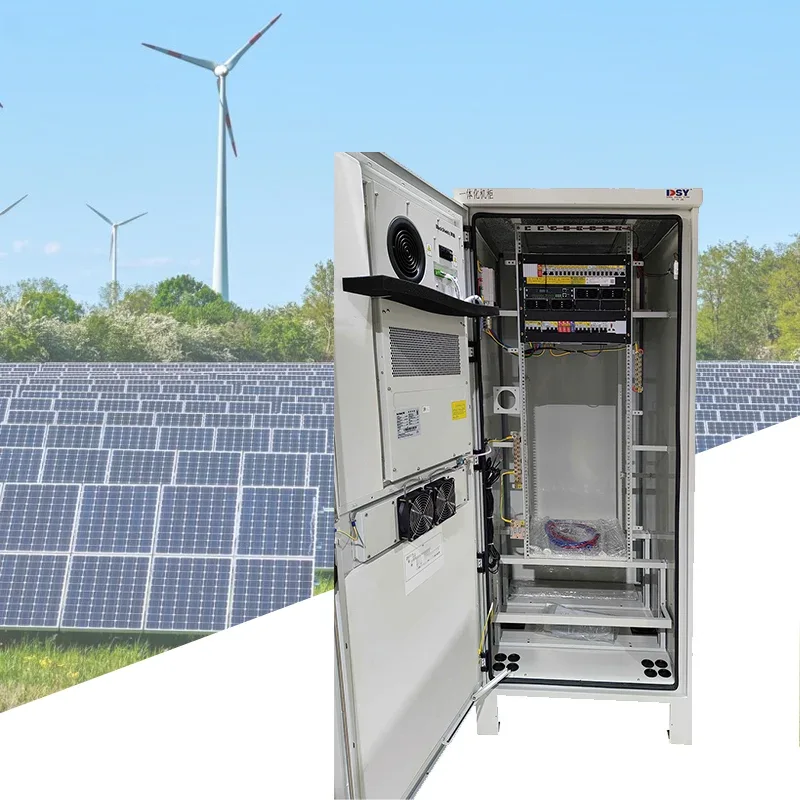
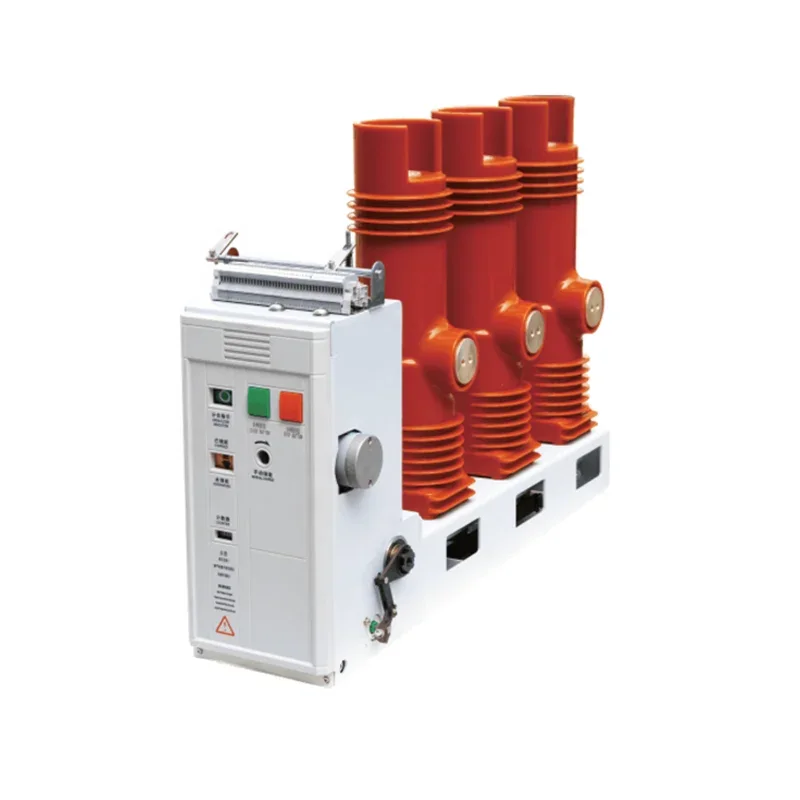
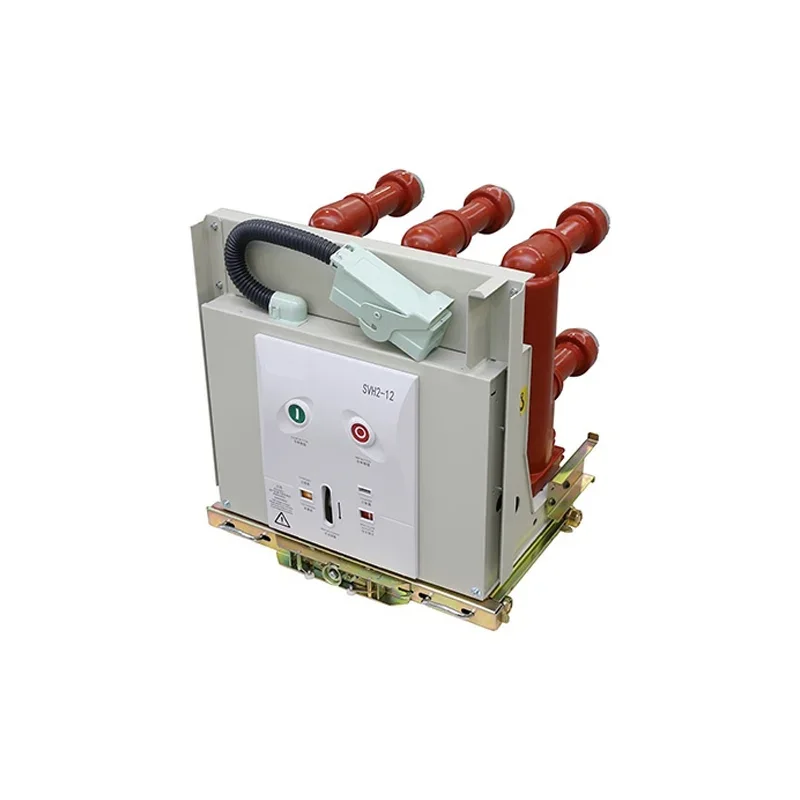
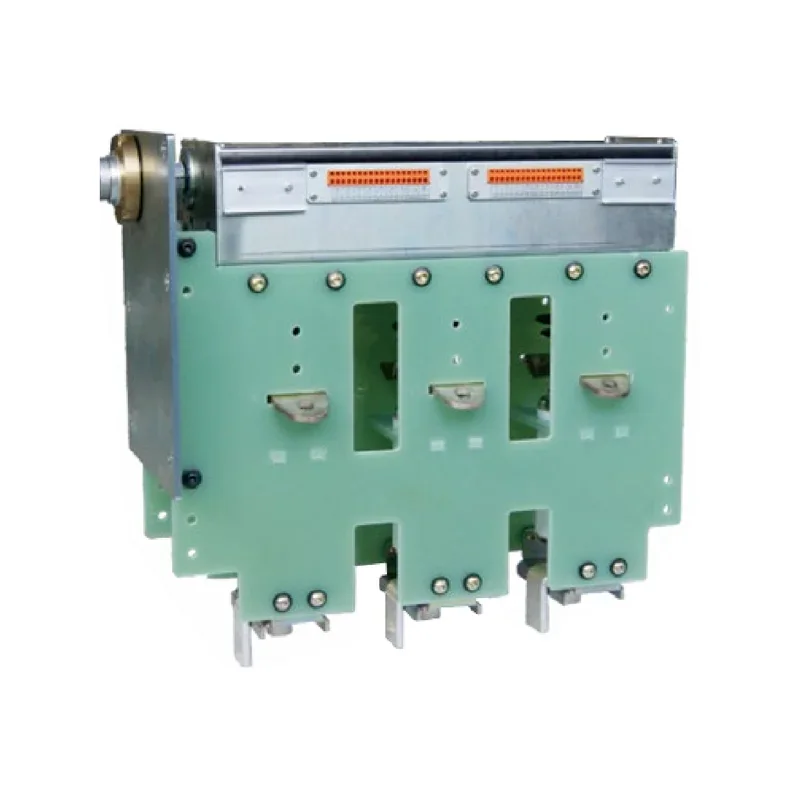
Box-Type Substation (Prefabricated Substation): Structure, Types and Selection Guide
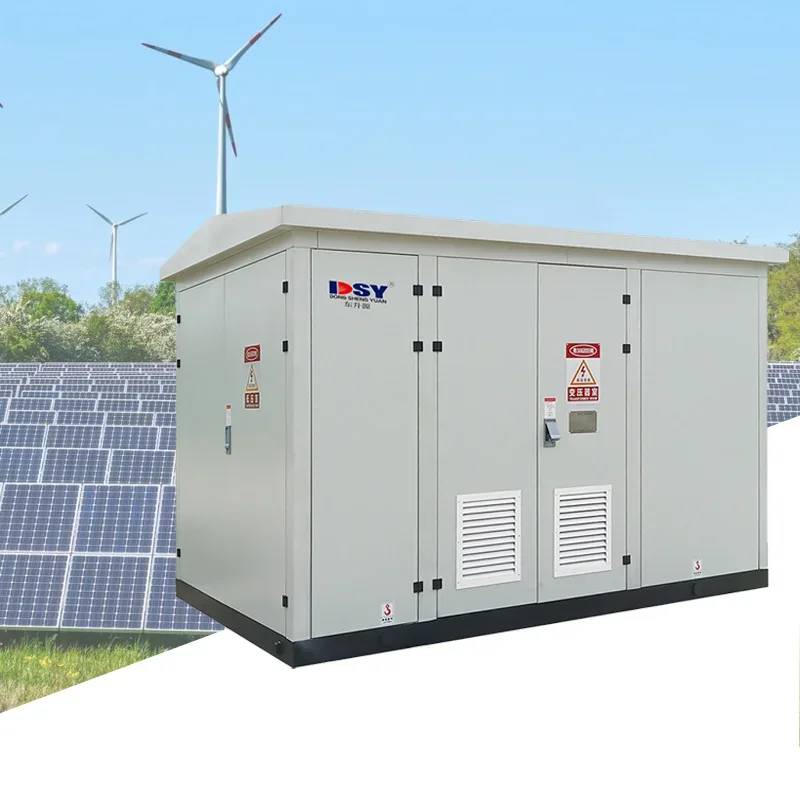
A box-type substation — also called a prefabricated or package substation — is a factory-assembled, fully tested power distribution unit that arrives on site ready to connect. It replaces a conventional brick-built substation and can cut installation time from months to days. This guide explains its structure, types and how to select the right one.
Nov 18,2026
1. What is a box-type substation?
It integrates a medium-voltage switchgear section, a power transformer and a low-voltage distribution section inside a weatherproof enclosure. Assembly, wiring and testing are completed in the factory; on site you only need a foundation, cable termination and commissioning. That is why package substations are widely used in residential developments, commercial projects, factories, infrastructure and renewable energy plants.

2. Internal structure: three compartments
A standard unit is divided into three isolated compartments, each with its own access:
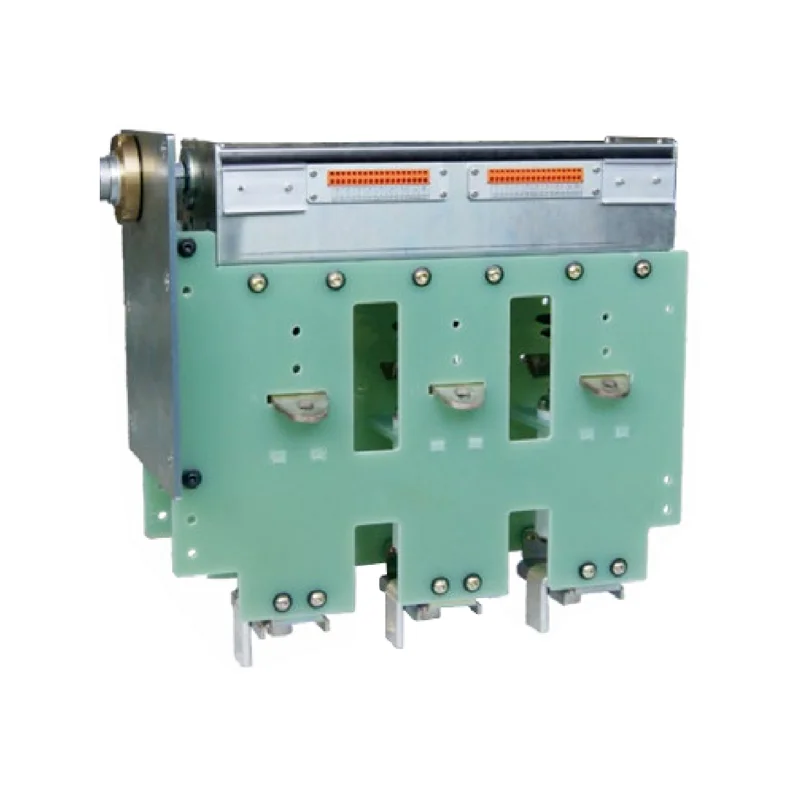
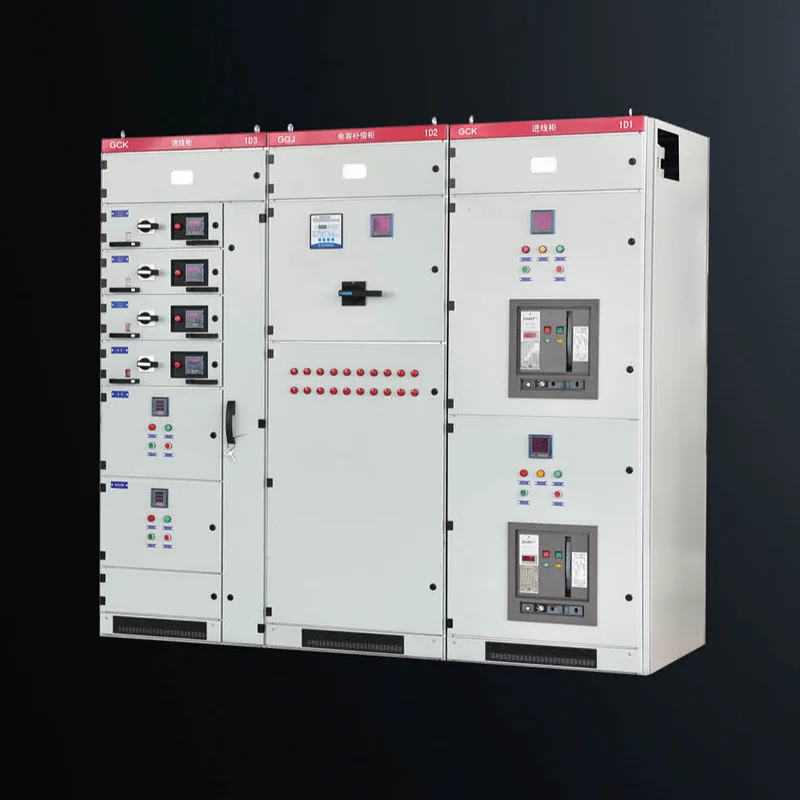
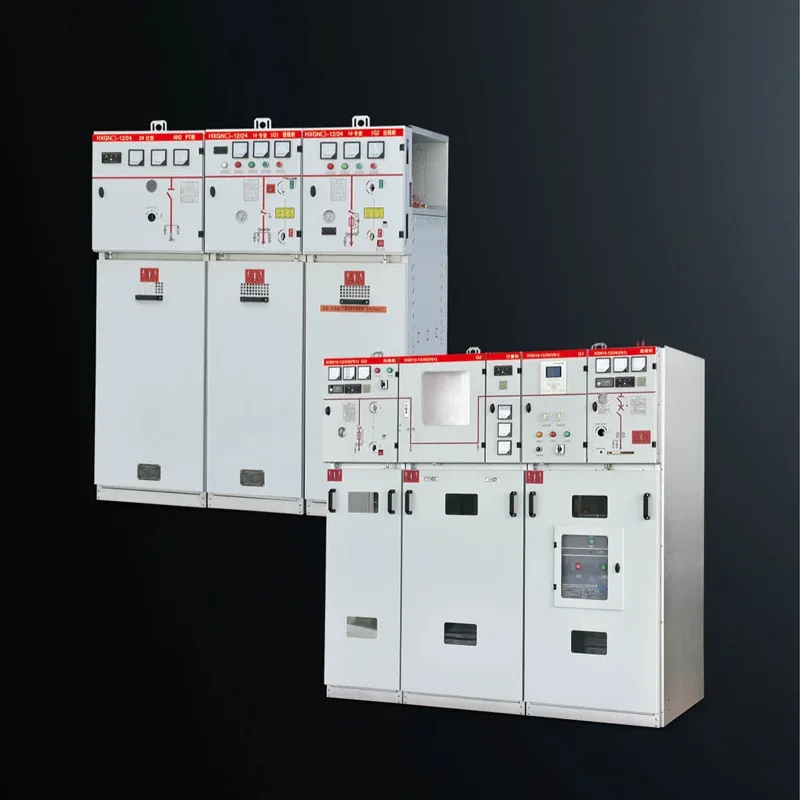
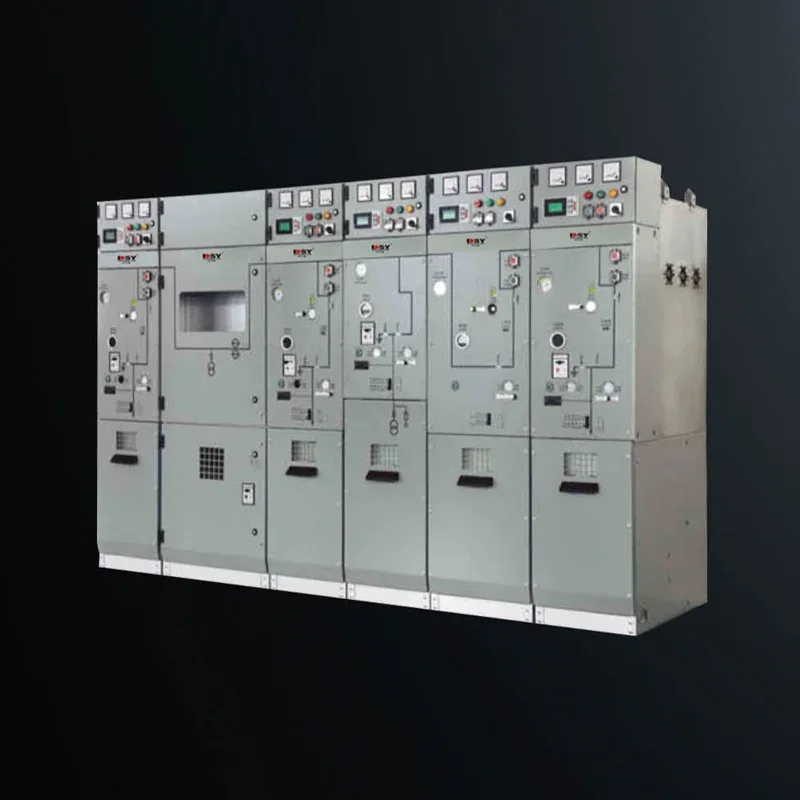
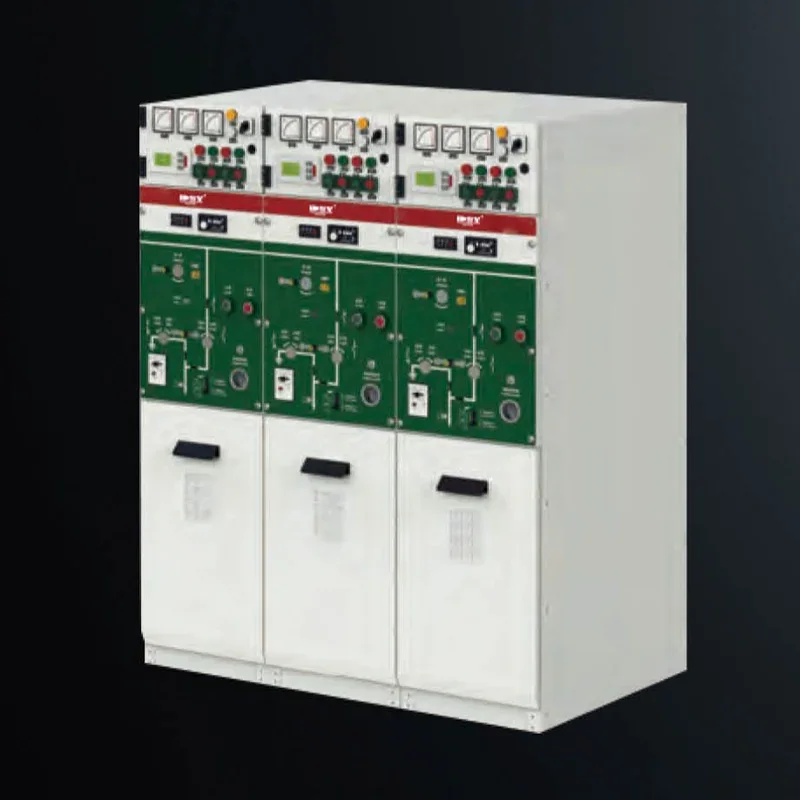
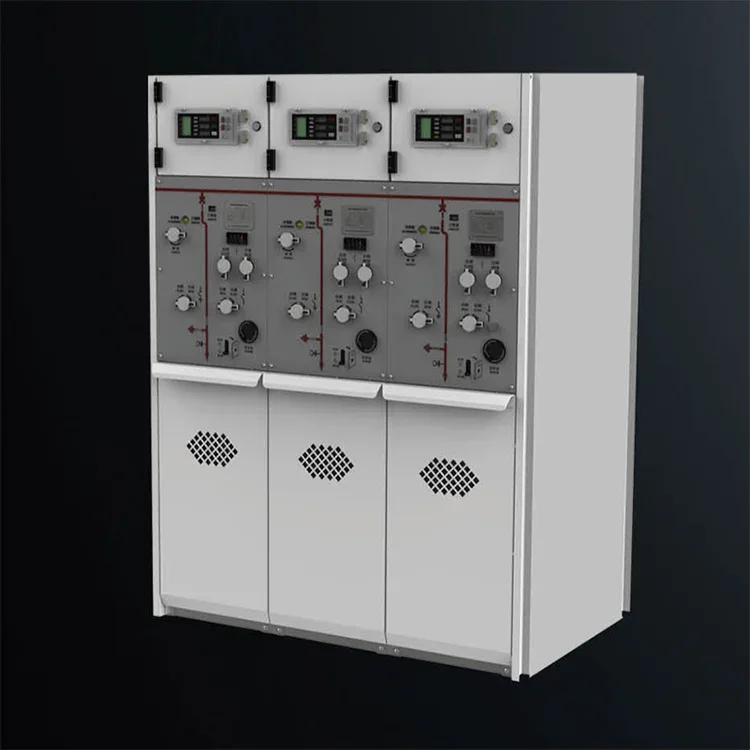
- High-voltage compartment — 10/20 kV ring main unit or switchgear for incoming supply, metering and protection.
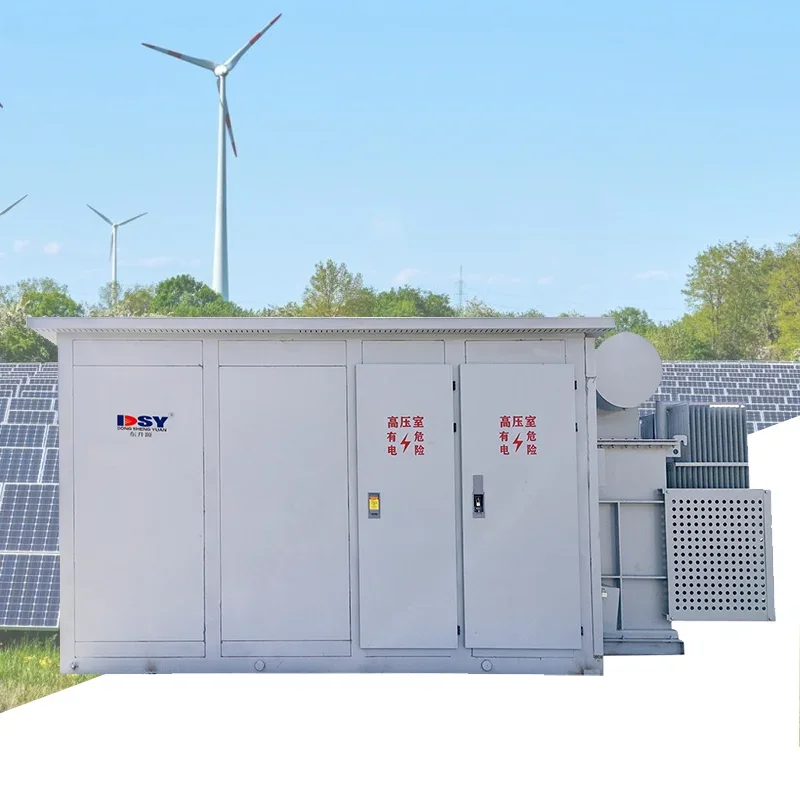
- Transformer compartment — the step-down transformer (dry-type or oil-immersed) that converts MV to LV. This is the heart of the unit.
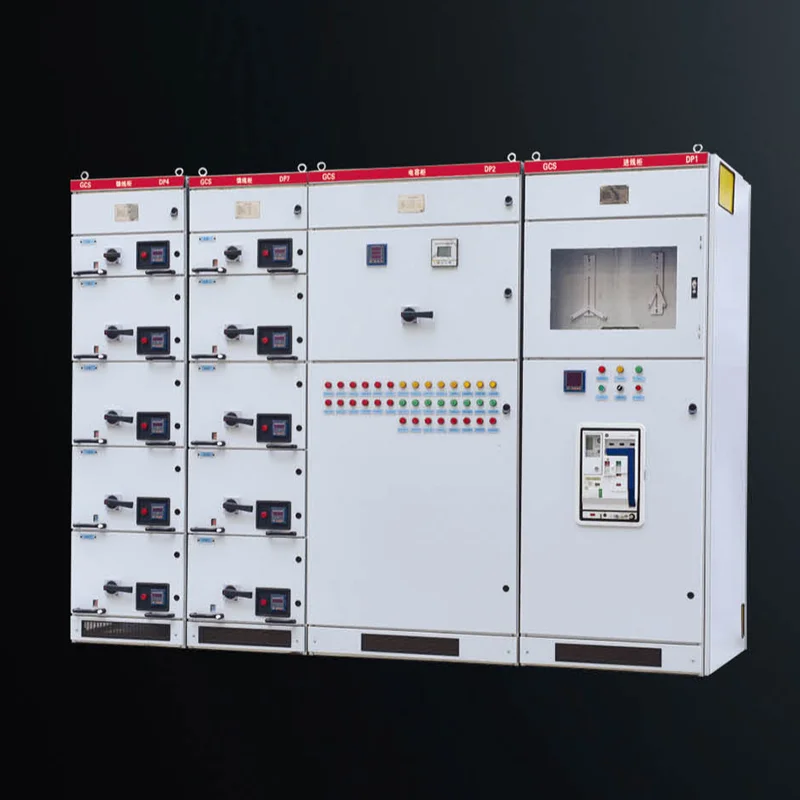
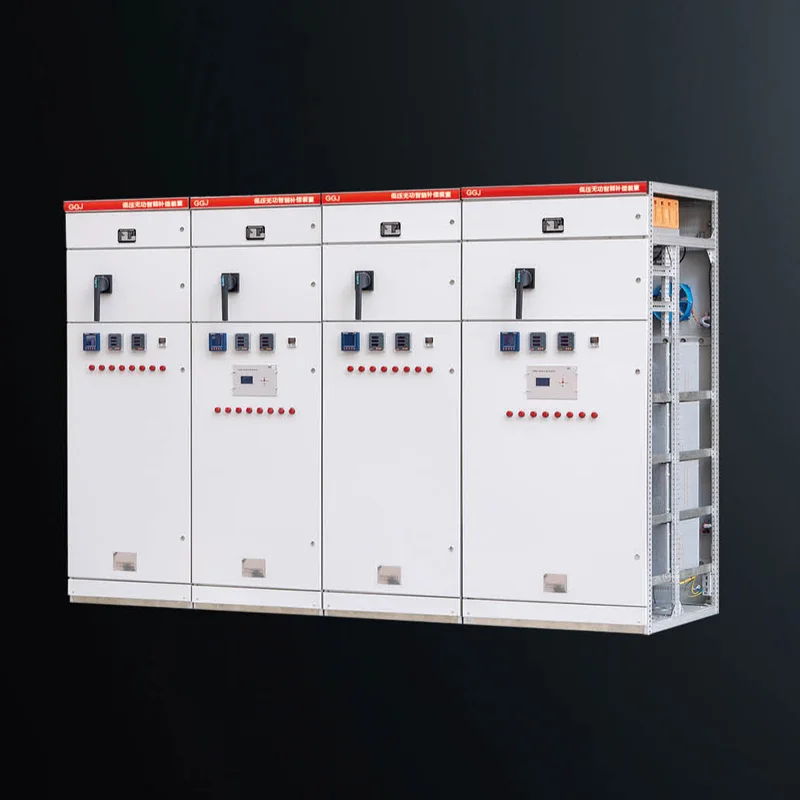
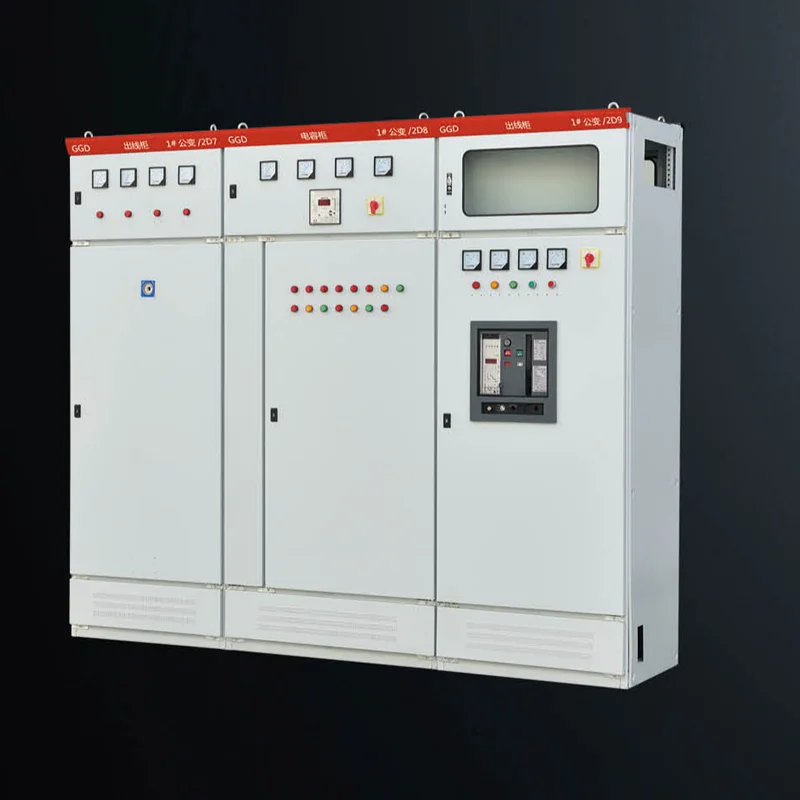
- Low-voltage compartment — LV switchgear, metering and power-factor correction that distribute power to outgoing circuits.
Metal partitions separate the compartments for safety, allowing maintenance by trade without exposing live parts.

3. European vs. American style
Table 1. European vs. American package substations
Aspect | European type | American type |
Layout | Three separate compartments | Transformer and HV share a tank |
Transformer | Dry or oil, separate | Oil-immersed, integrated |
Footprint | Larger | More compact |
Cooling | Dedicated ventilation | Oil self-cooling |
Typical use | Housing, commercial, municipal | Rural grids, street lighting, temporary power |
4. Key specifications to check
When reviewing a quotation or datasheet, focus on:
- Rated voltage and transformer capacity (kVA) matched to the connected load.
- Degree of protection (IP rating) and corrosion resistance for the site environment.
- Ventilation and heat dissipation, especially for hot climates or high loading.
- Type-test and factory test reports, and compliance with relevant IEC/GB standards.
- Noise level, lifting and transport provisions, and foundation requirements.
- After-sales coverage, spare parts and warranty terms.
5. Smart and prefabricated trends
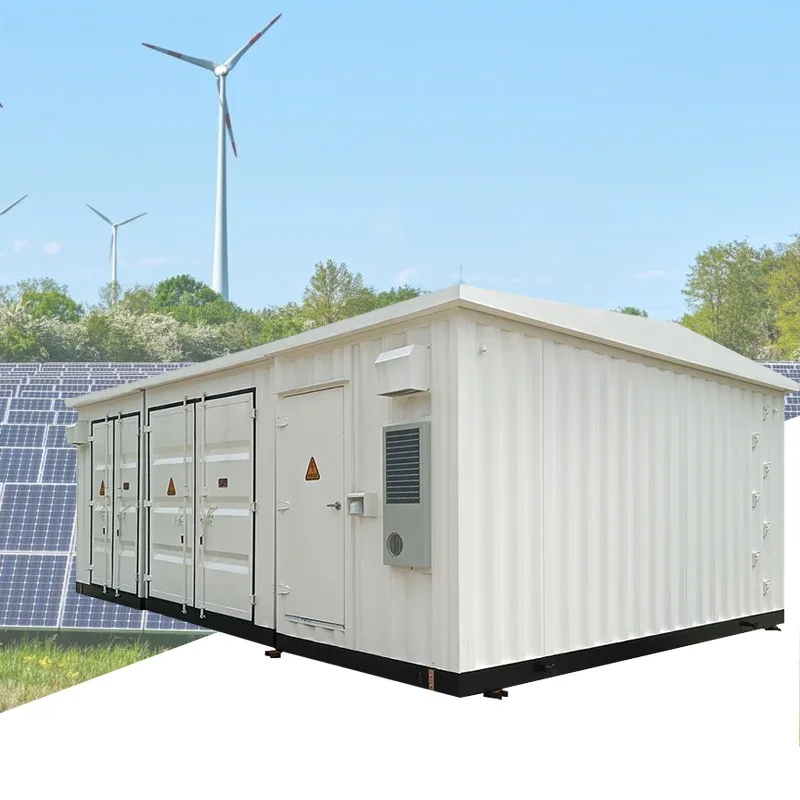
Modern package substations increasingly include temperature and partial-discharge monitoring, remote telemetry and environmental sensors. At larger scale, the same philosophy extends to prefabricated substations and containerized power modules for solar, storage and data-center projects.
Planning a project? Start by defining load capacity, MV voltage and site conditions, then compare designs on protection level, test documentation and lifecycle support — not just upfront price. A well-specified package substation pays for itself through faster commissioning and fewer outages. |
6. Frequently asked questions
How long does installation take?
Once the foundation is ready, a typical package substation can be positioned, terminated and commissioned within days, versus weeks or months for conventional construction.
Can a box-type substation be used outdoors in humid or coastal areas?
Yes. Specify an appropriate IP rating, anti-corrosion treatment and adequate ventilation; for harsh environments, choose sealed or enhanced-insulation designs.
What maintenance is required?
Routine visual inspection, transformer and LV checks, and periodic testing. Condition-monitoring options can significantly reduce unplanned interventions.
Need help selecting a configuration for your site? Contact our engineering team with your load data and site conditions for a tailored recommendation.
General guidance only. Final design must comply with local regulations and applicable standards.
PREVIOUS:
Related News

From June 5th to 8th, 2025, Shenzhen Dongshengyuan Electrical Equipment Co., Ltd. (hereinafter referred to as "Dongshengyuan Electric") participated in the Southeast Asia Electricity and Energy Exhibition (SEAPAE) held in Jakarta, Indonesia. During the exhibition, the company highlighted its three core product lines: high-voltage and low-voltage distribution switchgear, intelligent circuit breakers, and environmentally friendly load switches. These products are designed to provide targeted solutions for the high temperature and high humidity environments commonly found in Southeast Asia, as well as the growing demand for new energy access. They have successfully attracted over 200 industry customers for business negotiations.
The difference between circuit breakers and vacuum circuit breakers
Circuit breaker is an abbreviation for pole type circuit breaker. Circuit breakers are also vacuum circuit breakers
1B601, Lefu Square, No. 481 Guangming Avenue, Dongkeng Community, Fenghuang Street, Guangming District, Shenzhen
Request Quote
Note: Please leave your contact information and our professionals will contact you as soon as possible!