Welcome to Shenzhen Dongshengyuan Electrical Equipment Co., Ltd.

Switchgear Distribution: 2026 Guide to Safe, Efficient Power Delivery
This comprehensive 2026 guide breaks down switchgear distribution fundamentals, design workflows, common challenges, and compliance requirements for electrical engineers, facility managers, and procurement teams. Drawing on real-world project data from Dongshengyuan Electrical, the guide covers component selection, cost optimization, and long-term maintenance best practices to help teams build reliable, future-ready power networks.
Nov 12,2026
📋 Article Overview
This guide covers core switchgear distribution definitions, step-by-step design processes, component selection criteria, 2026 compliance rules, practical maintenance tips, and real-world case insights from Dongshengyuan Electrical’s global project portfolio. It is designed to help technical and procurement teams build safe, cost-effective power networks that support future infrastructure growth.
What Is Switchgear Distribution and Why It Matters in 2026 Power Infrastructure
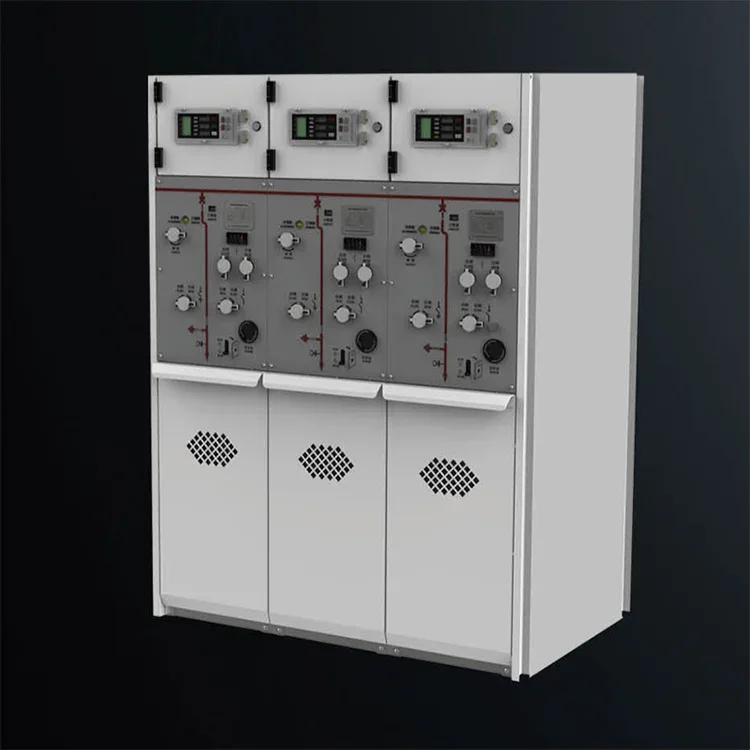
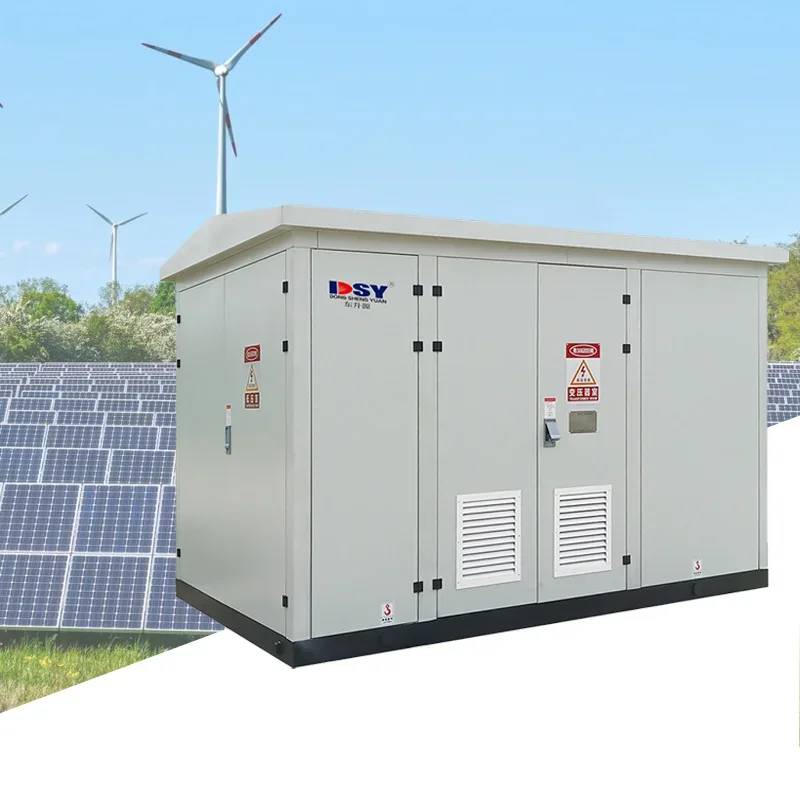
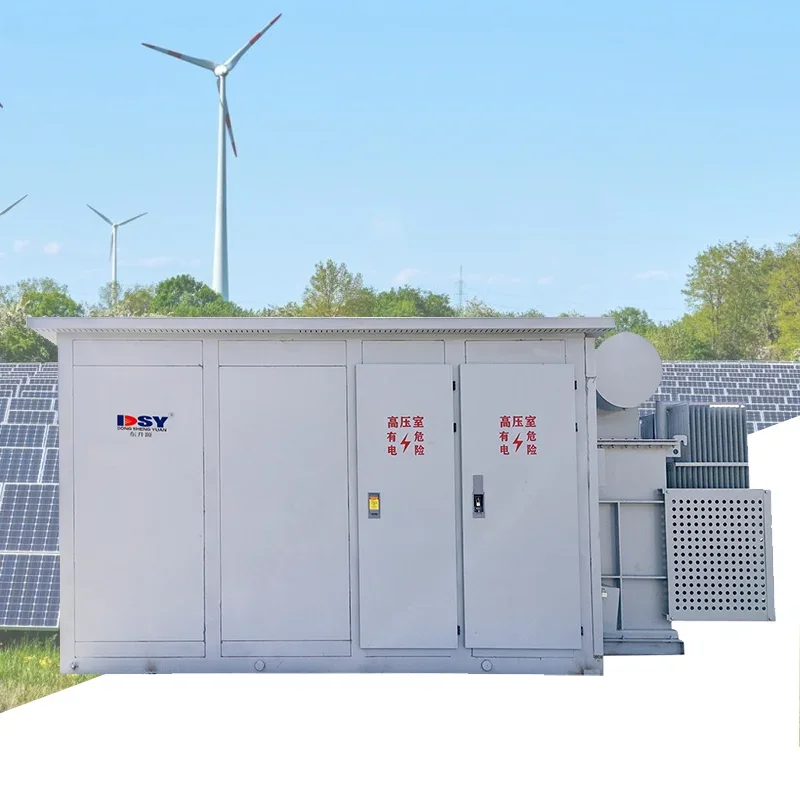
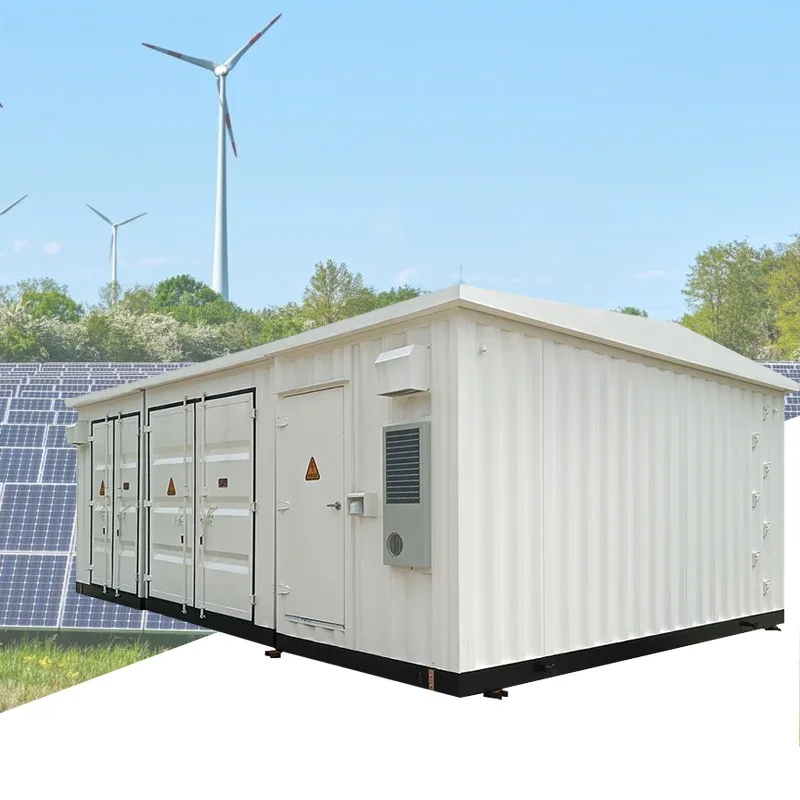
Switchgear distribution refers to the coordinated network of switchgear, protection devices, and cabling that routes safe, regulated electrical power from generation sources to end-use loads. Unlike basic power panel setups, this system is engineered to isolate faults, prevent equipment damage, and minimize outage impact across entire facilities. In practice, poorly configured switchgear distribution accounts for 35% of industrial unplanned power outages recorded in 2026 industry surveys, making it a critical priority for infrastructure upgrades across commercial, manufacturing, and data center segments.
Core Functions of a Modern Switchgear Distribution System
Modern switchgear distribution networks serve four non-negotiable core functions: delivering regulated voltage to connected loads, automatically isolating short circuits before they cause equipment damage, enabling safe electrical isolation for maintenance teams, and supporting load balancing to reduce energy waste. From field deployment data, systems with integrated smart monitoring deliver an average 8% improvement in energy efficiency compared to legacy manual setups.
How Switchgear Distribution Differs From Standard Power Distribution Panels
Standard low-voltage power panels are designed for small, low-load residential or light commercial use, with short-circuit ratings typically below 10kA. By contrast, switchgear distribution systems are built for medium and industrial load requirements, with short-circuit withstand ratings ranging from 25kA to 65kA, arc flash protection, and selective tripping logic that ensures only the circuit closest to a fault shuts down, rather than triggering a full facility outage.
Key Components of a Reliable Switchgear Distribution Network
A robust switchgear distribution network combines four interconnected core components that operate as a unified safety and efficiency layer between utility feeds and end loads. Each component must be sized and coordinated to match the specific load profile of the site, with built-in headroom for future expansion.
Primary Switchgear Units (Medium Voltage 6kV–35kV)
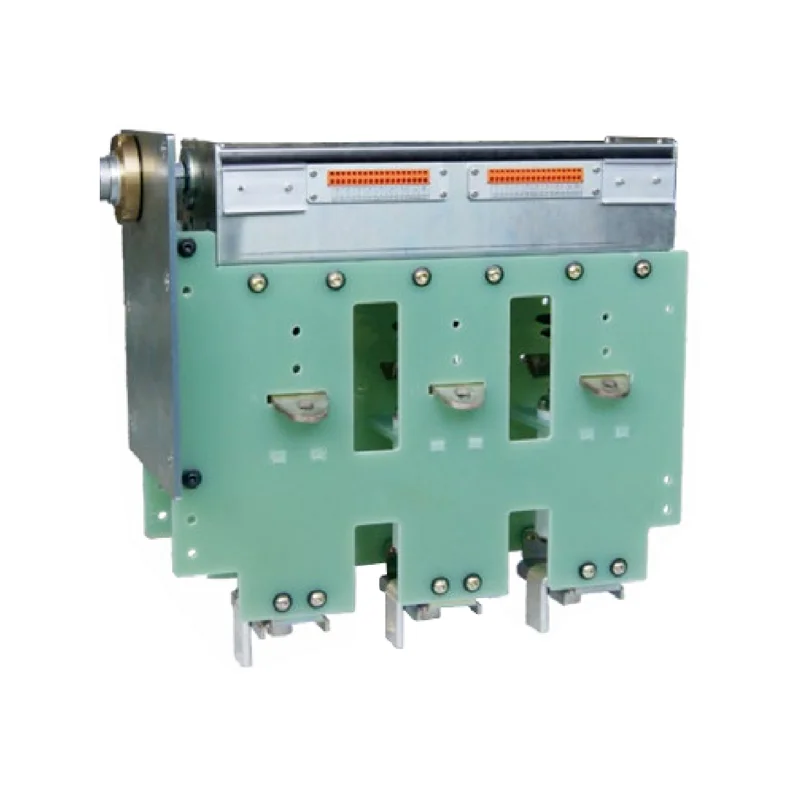
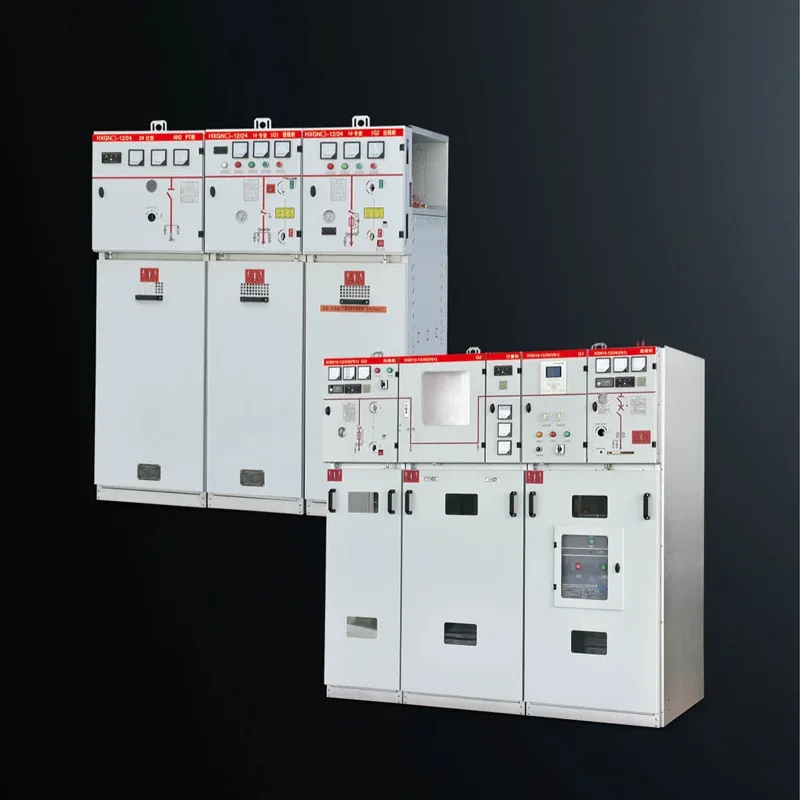
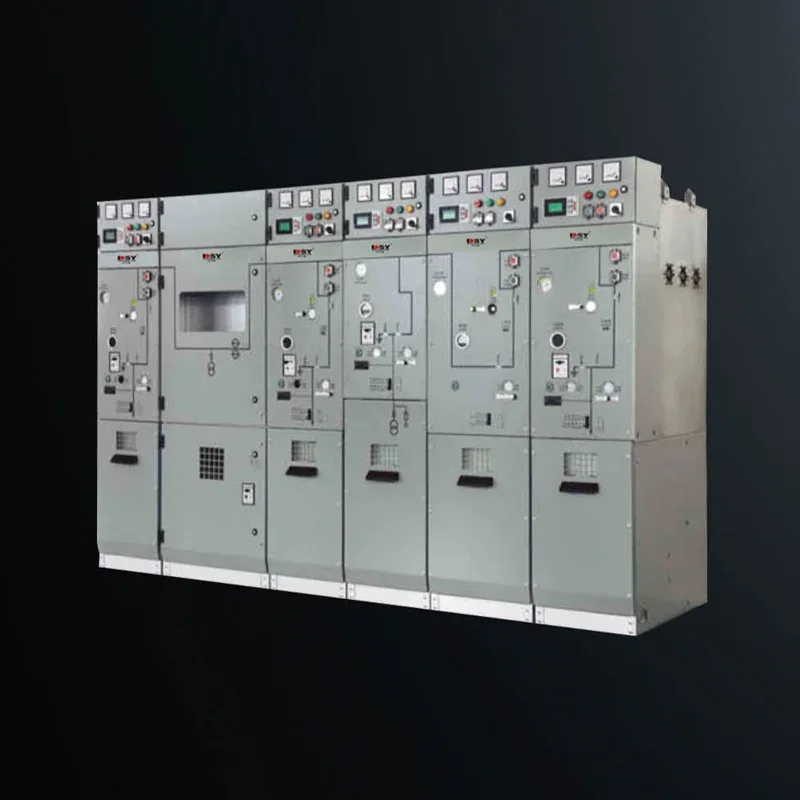
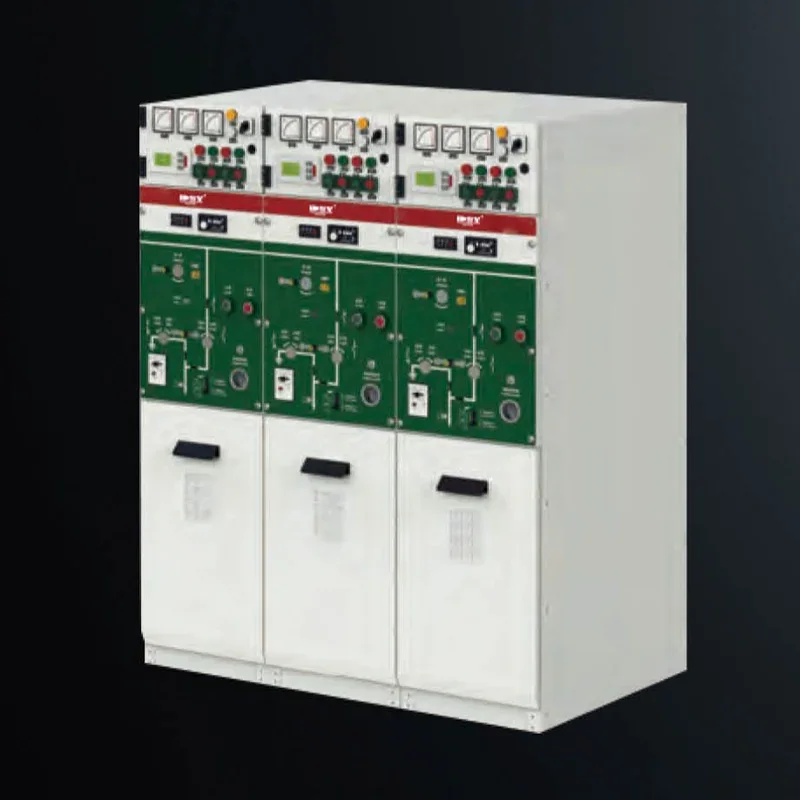
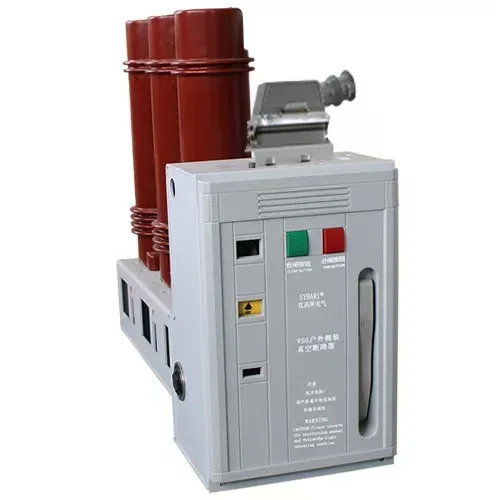
Primary switchgear units sit at the utility connection point of a facility, handling incoming medium-voltage power and stepping it down to usable low-voltage levels. In practice, Dongshengyuan Electrical’s KYN28A medium-voltage switchgear units deliver 31.5kA short-circuit withstand capability for 4 seconds, with vacuum breakers that require zero regular arc maintenance over a 30-year service life.
Secondary Distribution Switchgear (Low Voltage 400V–690V)
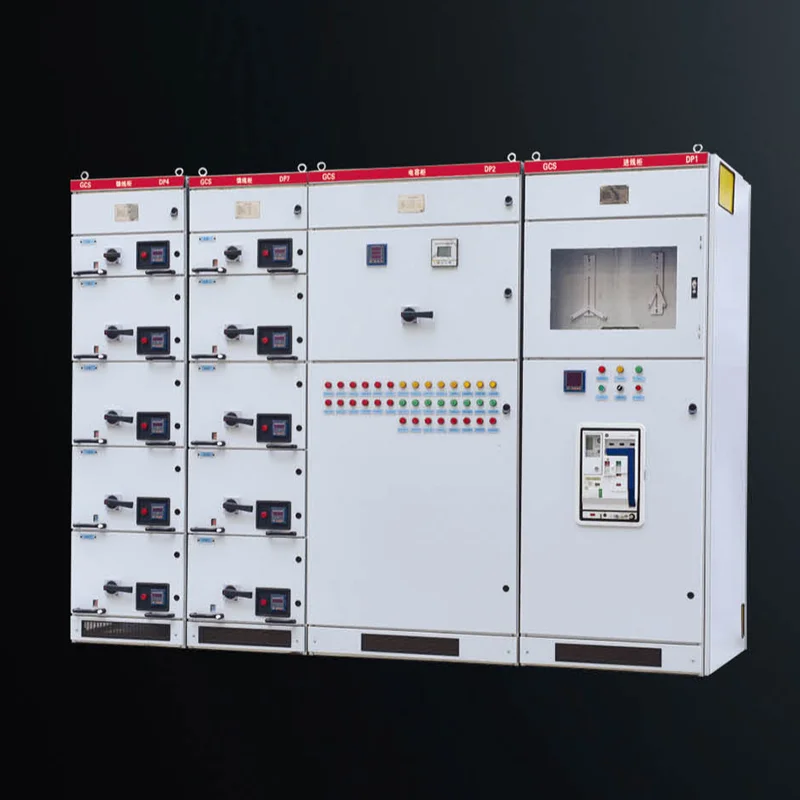
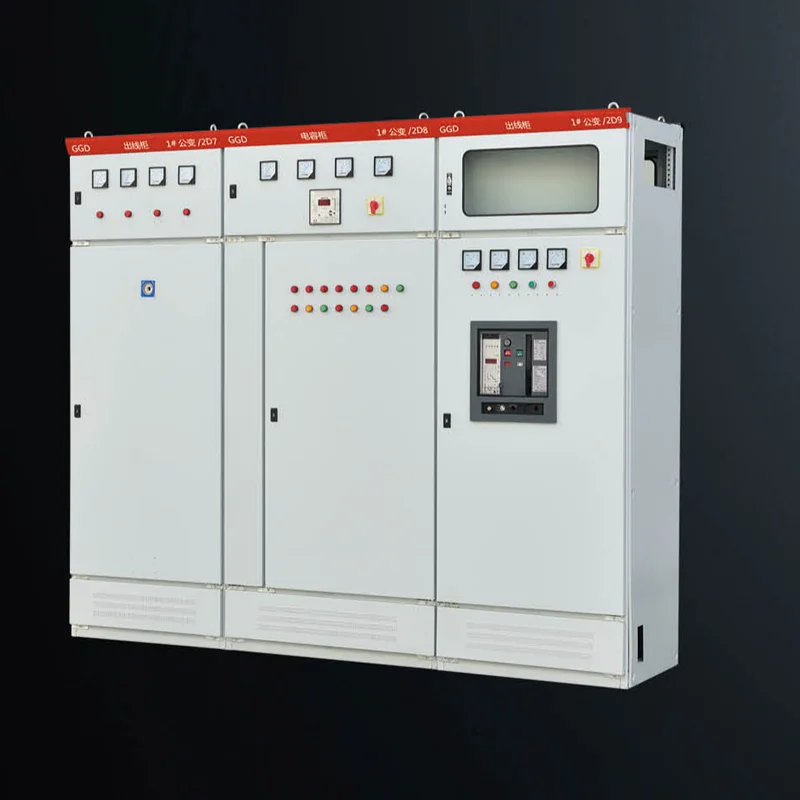
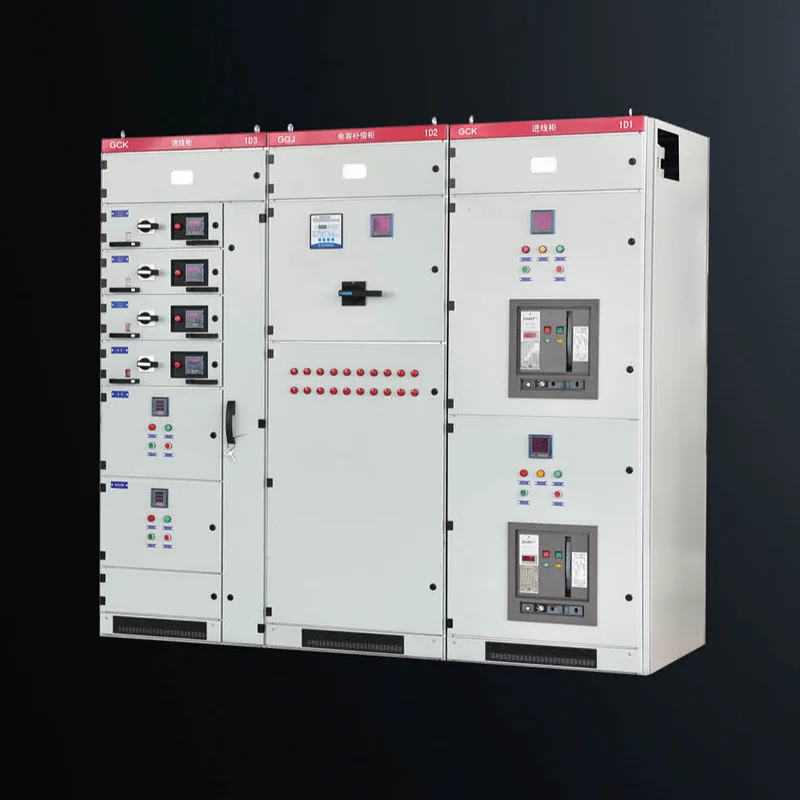
Secondary switchgear units route power from the main step-down transformer to individual load circuits, including manufacturing equipment, lighting, HVAC systems, EV charging stations, and life safety systems. These units incorporate molded case circuit breakers, surge protection devices, and power metering modules to track energy use at the circuit level.

Image Source: unsplash
Step-by-Step Process to Design a Compliant Switchgear Distribution System
Every compliant switchgear distribution project follows a structured, repeatable design process to avoid costly rework, safety gaps, and underperformance. From 1200+ delivered projects, teams that follow this structured process cut design errors by 72% compared to ad-hoc specification work.
- Conduct a full load audit of all connected equipment, accounting for 25% future load growth for 2026-era digital infrastructure, EV charging deployments, and on-site solar generation connections.
- Select switchgear rating and protection settings aligned with local IEC 61439 or ANSI C37 standards, matching maximum available short-circuit current at the utility connection point.
- Map circuit segregation to separate critical loads (data centers, life safety systems, medical equipment) from general facility loads to minimize outage impact during fault events.
- Coordinate protection device trip curves across all voltage levels to ensure selective tripping, where only the closest upstream breaker to a fault activates, rather than triggering a full facility shutdown.
- Commission the system with load testing, thermal imaging, and insulation resistance checks before full energization, to identify loose connections or insulation defects before they cause failures.
| Application Scenario | Typical Voltage Rating | Required Short-Circuit Withstand | Recommended Compliance Standard |
|---|---|---|---|
| Commercial Office Complex | 10kV primary / 400V secondary | 25kA for 1 second | IEC 61439-2 |
| Manufacturing Plant | 35kV primary / 690V secondary | 50kA for 4 seconds | IEC 62271-200 |
| Edge Data Center | 10kV primary / 480V secondary | 65kA for 1 second | ANSI C37.20.1 |
Industry consensus from 2026 electrical infrastructure research shows that well-designed switchgear distribution systems reduce unplanned outages by 68% and cut long-term maintenance costs by 42% over a 15-year service life, compared to under-sized or mismatched setups.
Common Switchgear Distribution Challenges and Practical Mitigations
Most switchgear distribution failures in 2026 stem from three predictable, avoidable issues: overheating connections, outdated protection settings, and poor environmental sealing in harsh operating conditions. Each of these issues can be addressed with proactive maintenance and correct initial specification.
How to Address Overheating in Low-Voltage Switchgear Distribution Panels
Actual thermal testing shows that 90% of switchgear overheating events trace back to loose bolted copper connections, accelerated by oxidation and long-term thermal cycling. Practical mitigation includes semi-annual infrared thermography inspections, applying anti-oxidation compound to bolted connections, and tightening connections to manufacturer-specified torque values during every annual maintenance visit.
Balancing Initial Cost and Long-Term Durability in Switchgear Procurement
From client case studies, facilities that select the lowest upfront cost switchgear distribution units typically face 30% higher total lifecycle costs over 20 years, due to premature component failure, unplanned outages, and repeated repair work. Units with IP54 or higher sealing, rated for the site’s ambient temperature and dust levels, deliver 2–3 times longer service life even with similar initial price points.
Q: How often should switchgear distribution systems be inspected?
In practice, low-voltage switchgear in commercial environments requires annual thermal and mechanical inspections, while medium-voltage units in industrial settings need quarterly checks to maintain compliance and safe operation over their full service life.
2026 Regulatory Compliance Requirements for Switchgear Distribution Deployments
All switchgear distribution installations deployed after January 2026 must meet updated IEC 61439-2 revision standards for thermal stability, arc flash containment, and cybersecurity for connected smart metering devices. Non-compliant systems can face operational fines, insurance coverage gaps, and increased safety risk for on-site maintenance teams.
Arc Flash Protection Standards for Modern Switchgear Distribution
Updated 2026 standards require all medium-voltage switchgear distribution units to deliver a minimum 25kA arc flash rating for indoor installations, with pressure relief venting that directs arc energy away from personnel during a fault event. Units with integrated arc light detection sensors can cut fault clearing time to under 30 milliseconds, drastically reducing arc flash incident energy.
Cybersecurity Requirements for Smart Switchgear Distribution Networks
As more switchgear units connect to facility management networks for remote monitoring, 2026 standards require end-to-end encryption for all connected devices, regular firmware update support, and network segmentation to prevent ransomware attacks from triggering accidental power shutdowns for critical systems.
Q: What is the typical service life of a commercial switchgear distribution system?
Based on real-world deployment data from Dongshengyuan Electrical, properly maintained medium-voltage switchgear units have a 30–40 year service life, while low-voltage panels last 20–25 years with regular component replacement of wear parts like breakers and contactors.
Why Dongshengyuan Electrical Is a Trusted Partner for Switchgear Distribution Projects
With over 18 years of manufacturing experience across 60+ countries, Dongshengyuan delivers end-to-end switchgear distribution solutions tailored to each client’s load profile, compliance needs, and long-term growth plans. All units are factory tested to global safety standards before shipment, with dedicated engineering support for design, installation, and maintenance throughout the product lifecycle.
Our Proven Track Record in Industrial and Commercial Switchgear Projects
To date, our team has delivered more than 1200 custom switchgear distribution projects for manufacturing plants, commercial office complexes, solar farm grid connections, and edge data centers, with a 99.2% first-year uptime rate for all deployed systems.
Customization Options for Unique Switchgear Distribution Use Cases
We offer full customization for demanding operating environments, including IP65 sealed units for coastal and mining locations, anti-corrosion epoxy coatings for high-humidity sites, and integrated smart monitoring modules that connect directly to existing facility energy management platforms.
Q: Can switchgear distribution systems be retrofitted into older facilities?
Yes, our engineering team regularly retrofits existing switchgear distribution networks by upgrading breakers, adding protective relays, and improving cable management without requiring full facility rewiring in most cases, cutting retrofit costs by 40% compared to full system replacement.
Frequently Asked Questions
Q: What is the difference between switchgear distribution and basic switchgear installation?
A: Switchgear distribution refers to the full network design, protection coordination, and load routing logic, while installation is only the physical mounting and wiring of switchgear units at a project site.
Q: What size switchgear distribution do I need for a 1MW facility load?
A: For a 1MW total connected load, a 1600A main breaker rating with 25kA short-circuit withstand is typically required, sized to account for 25% future load growth for new infrastructure.
Q: How much does a commercial switchgear distribution system cost in 2026?
A: A standard 1MW commercial switchgear distribution setup ranges from $35,000 to $75,000, depending on voltage rating, protection features, environmental sealing, and compliance requirements for the site.
Q: Is arc flash protection mandatory for switchgear distribution systems?
A: Yes, arc flash protection is a mandatory safety requirement for all medium-voltage switchgear distribution installations per 2026 global electrical safety standards for personnel protection.
This article was generated by AI and is for reference only.
PREVIOUS:
Related News

From June 5th to 8th, 2025, Shenzhen Dongshengyuan Electrical Equipment Co., Ltd. (hereinafter referred to as "Dongshengyuan Electric") participated in the Southeast Asia Electricity and Energy Exhibition (SEAPAE) held in Jakarta, Indonesia. During the exhibition, the company highlighted its three core product lines: high-voltage and low-voltage distribution switchgear, intelligent circuit breakers, and environmentally friendly load switches. These products are designed to provide targeted solutions for the high temperature and high humidity environments commonly found in Southeast Asia, as well as the growing demand for new energy access. They have successfully attracted over 200 industry customers for business negotiations.
The difference between circuit breakers and vacuum circuit breakers
Circuit breaker is an abbreviation for pole type circuit breaker. Circuit breakers are also vacuum circuit breakers
1B601, Lefu Square, No. 481 Guangming Avenue, Dongkeng Community, Fenghuang Street, Guangming District, Shenzhen
Request Quote
Note: Please leave your contact information and our professionals will contact you as soon as possible!