Welcome to Shenzhen Dongshengyuan Electrical Equipment Co., Ltd.

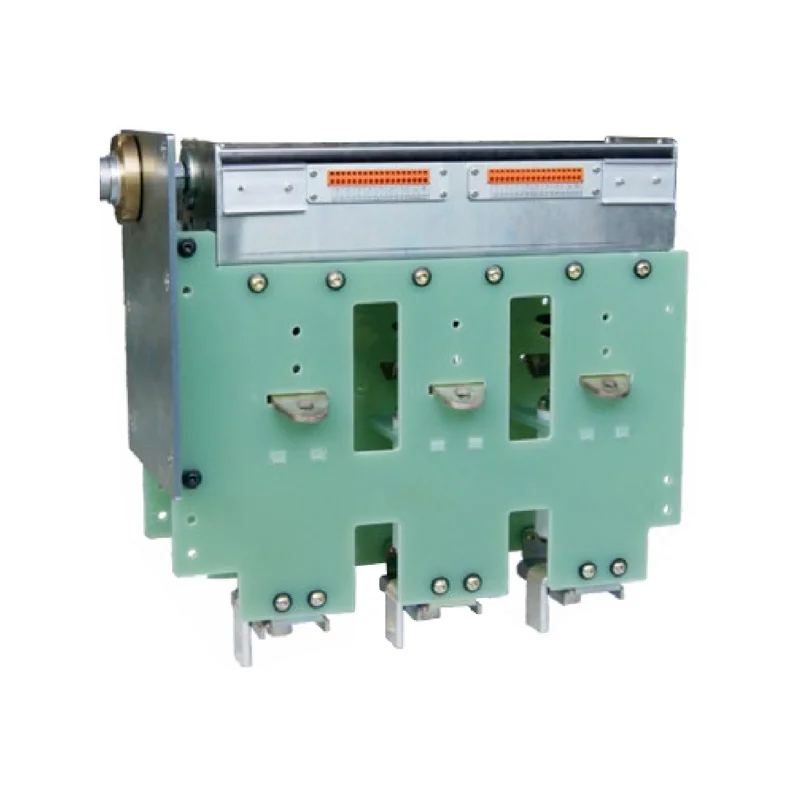
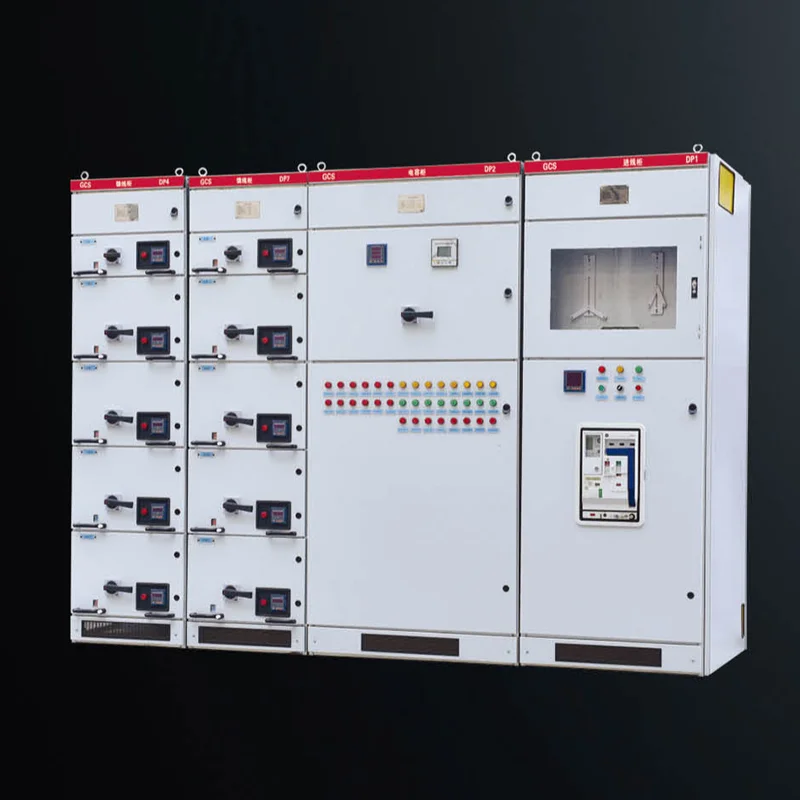
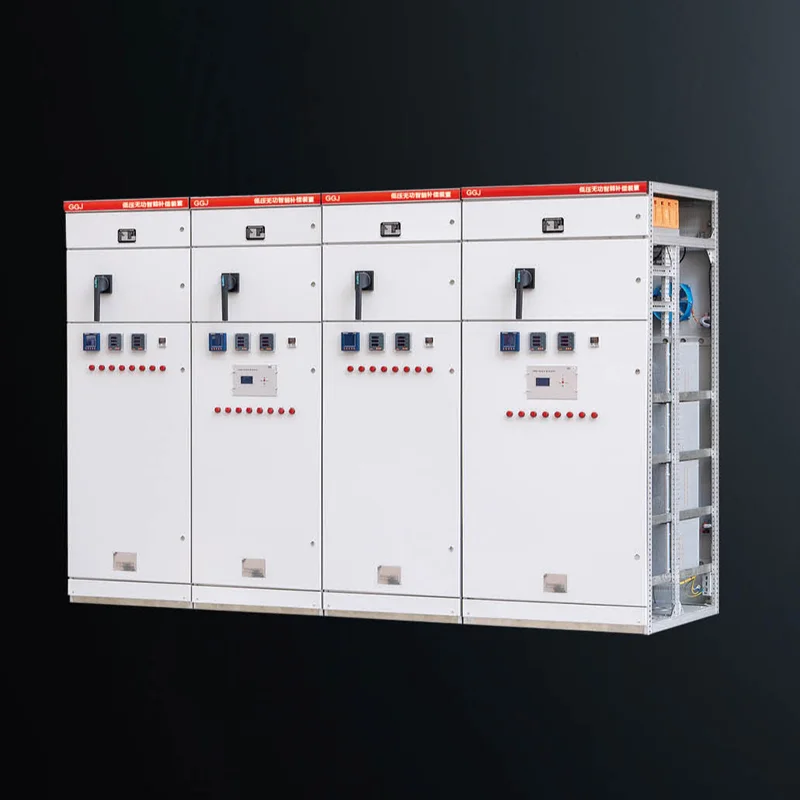
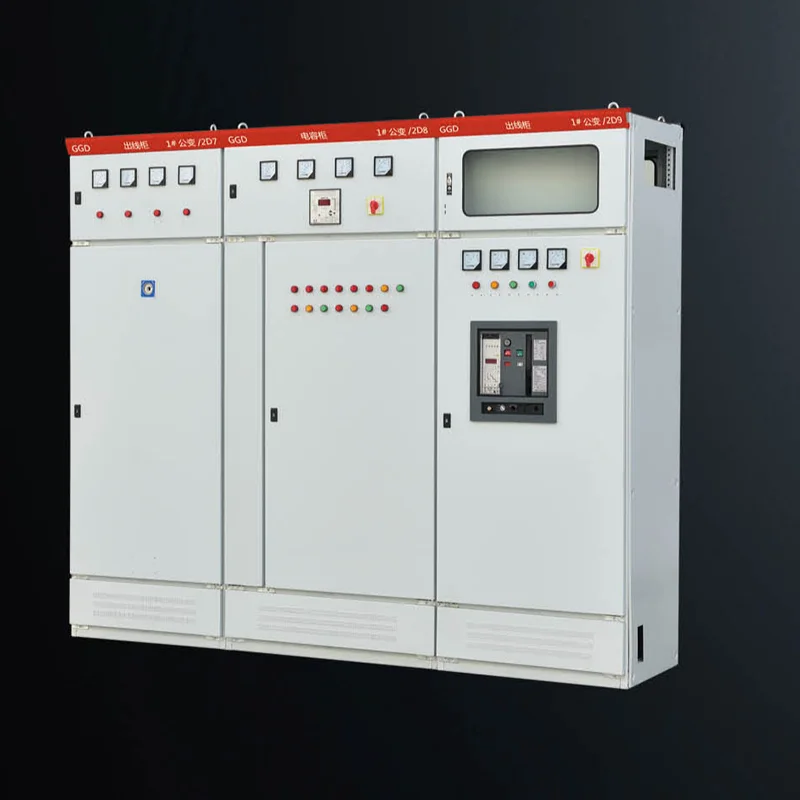
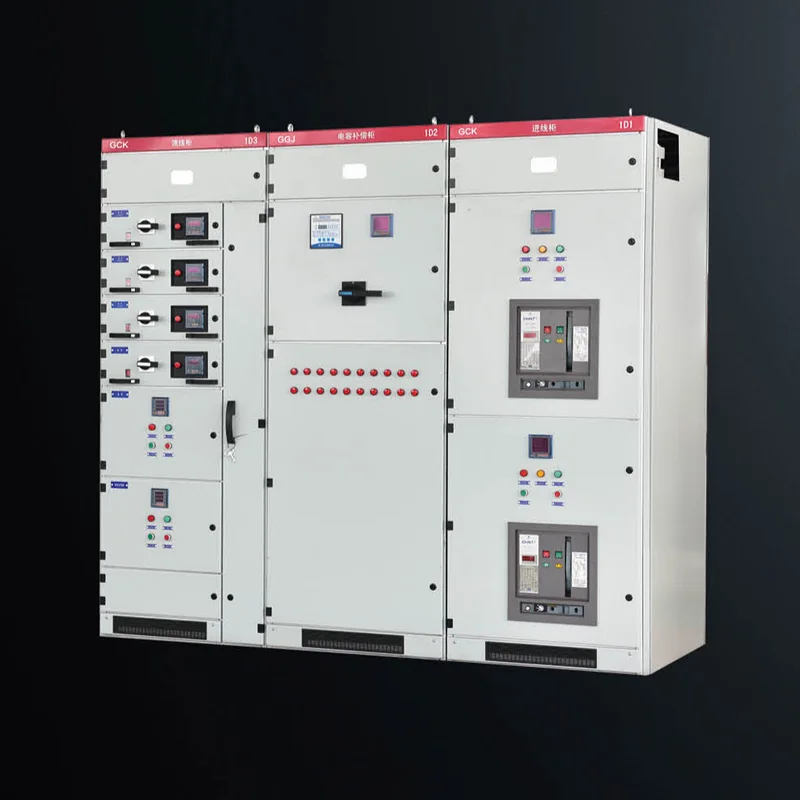
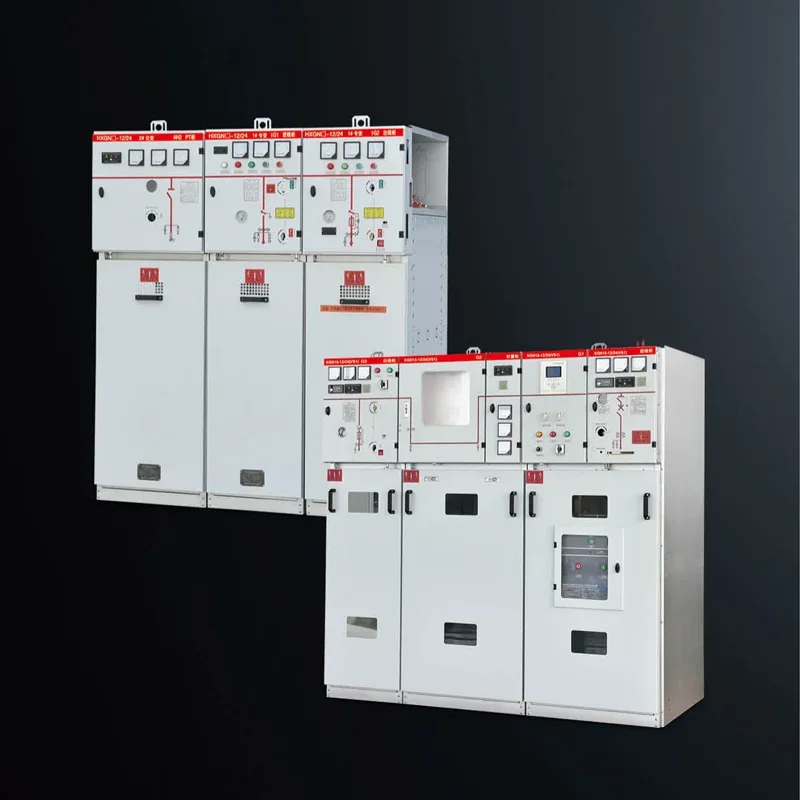
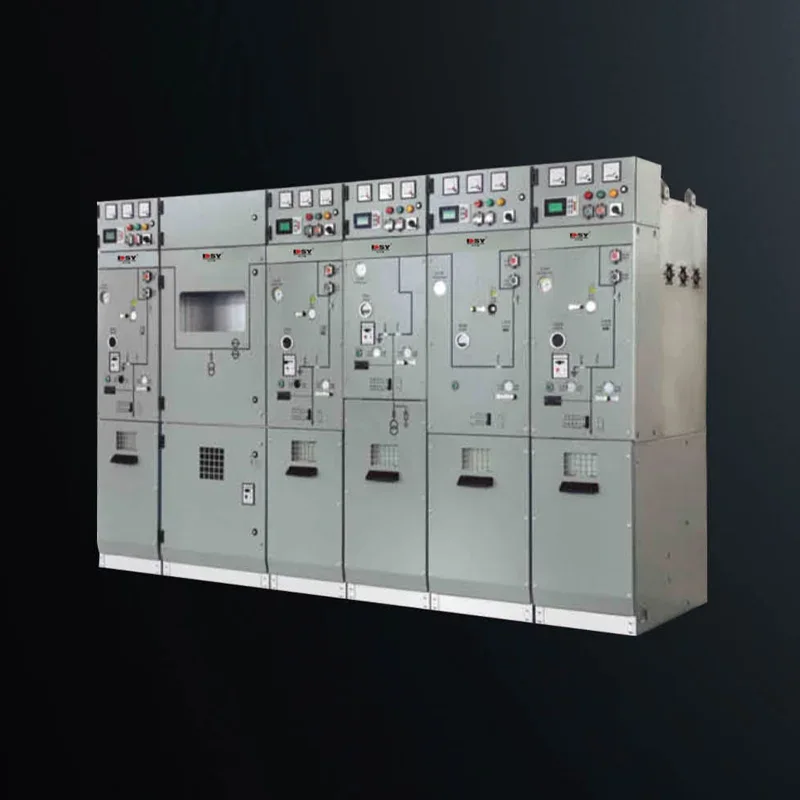
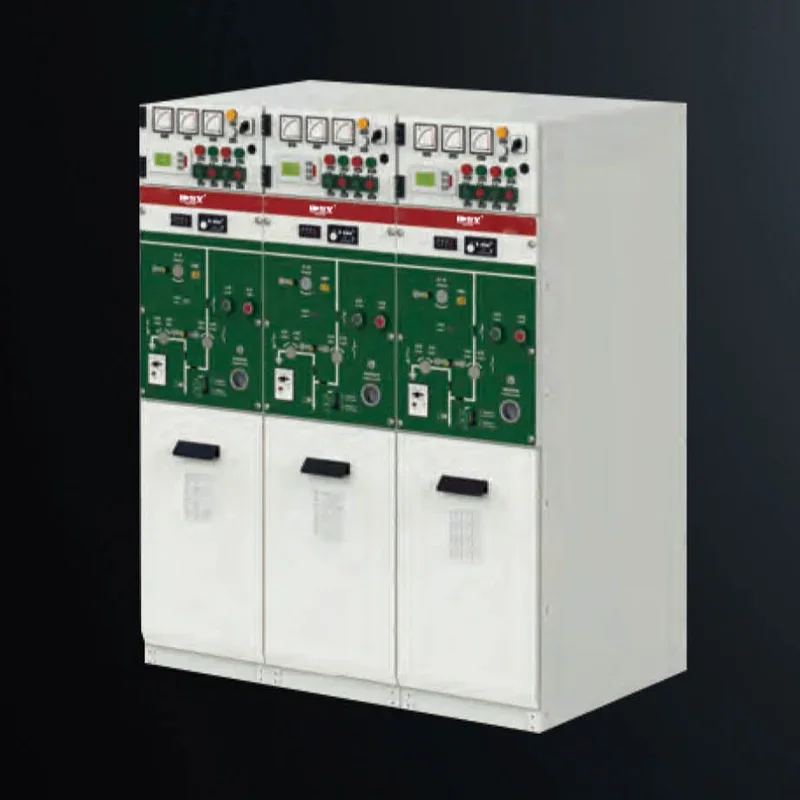
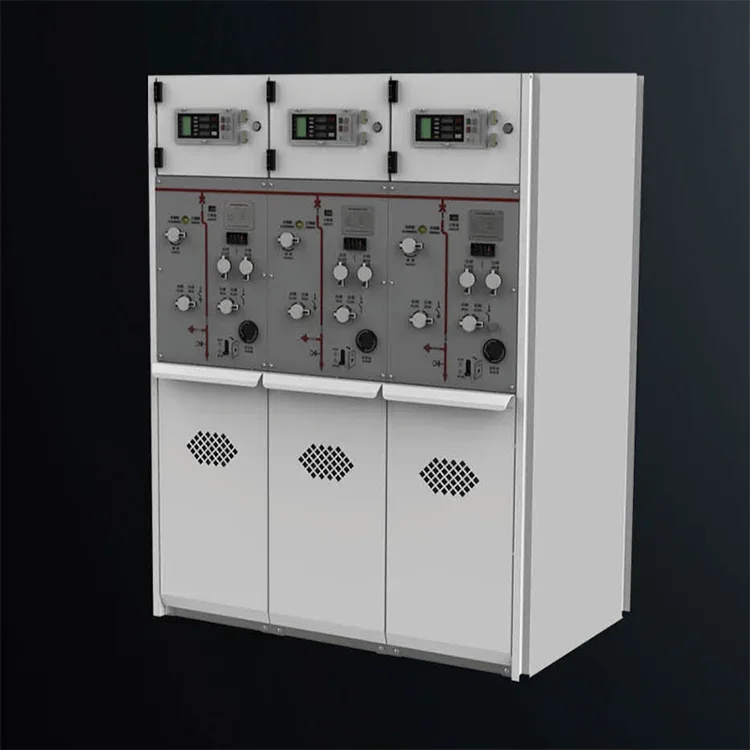
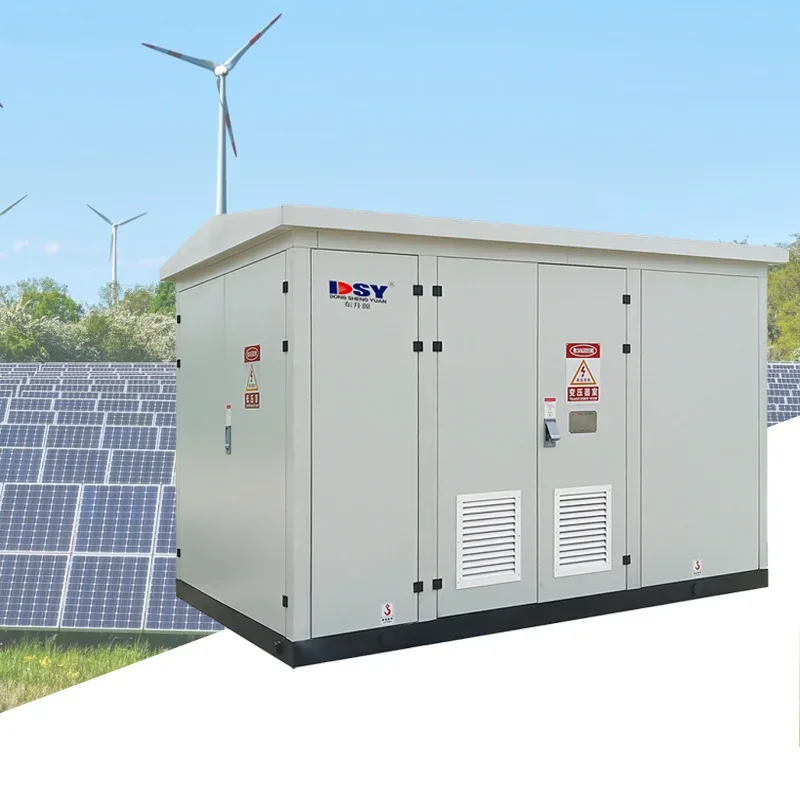
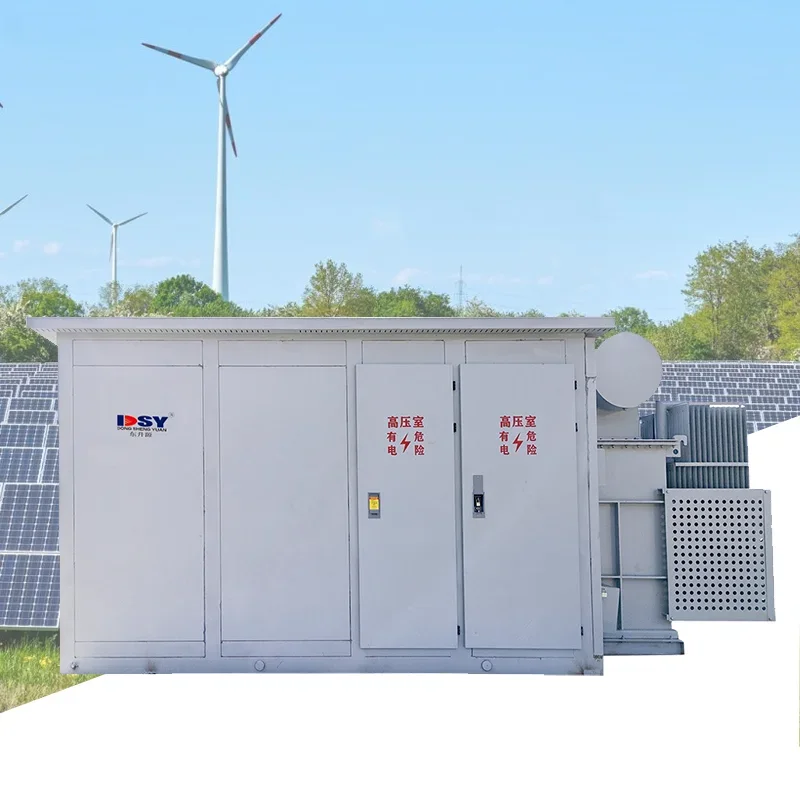
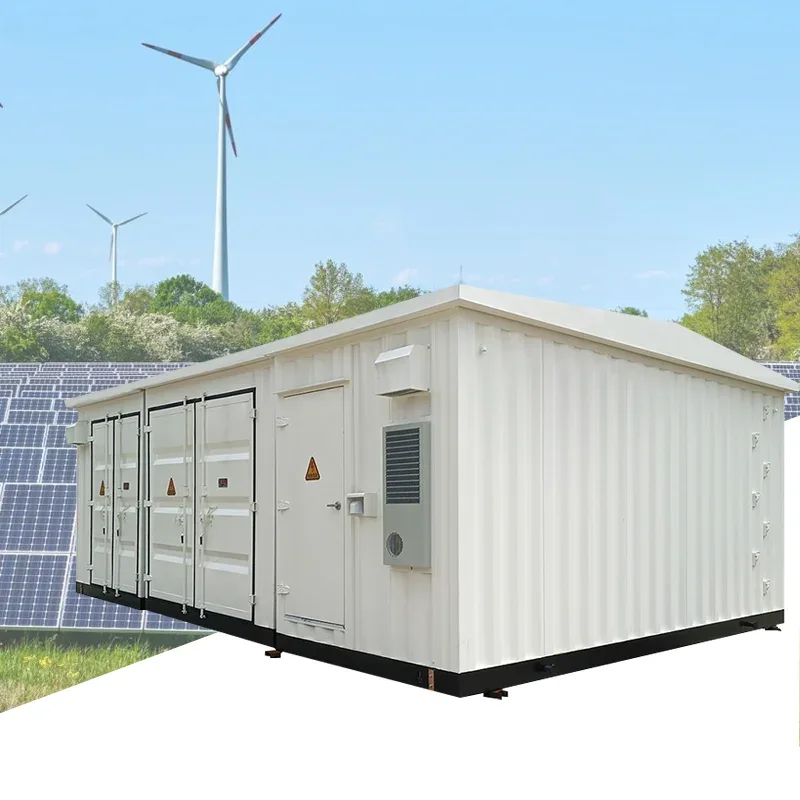
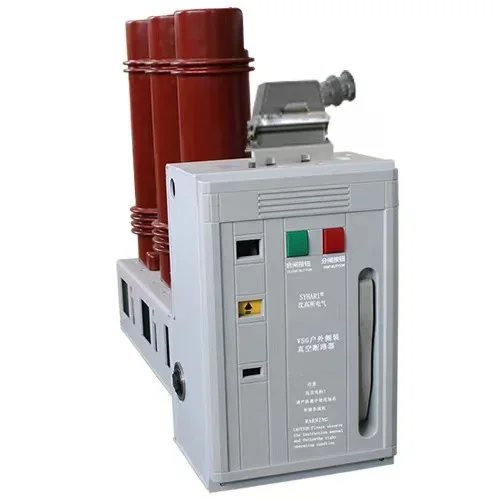
Understanding Gas Insulated Switchgear: A Comprehensive Overview for the Electrical Industry
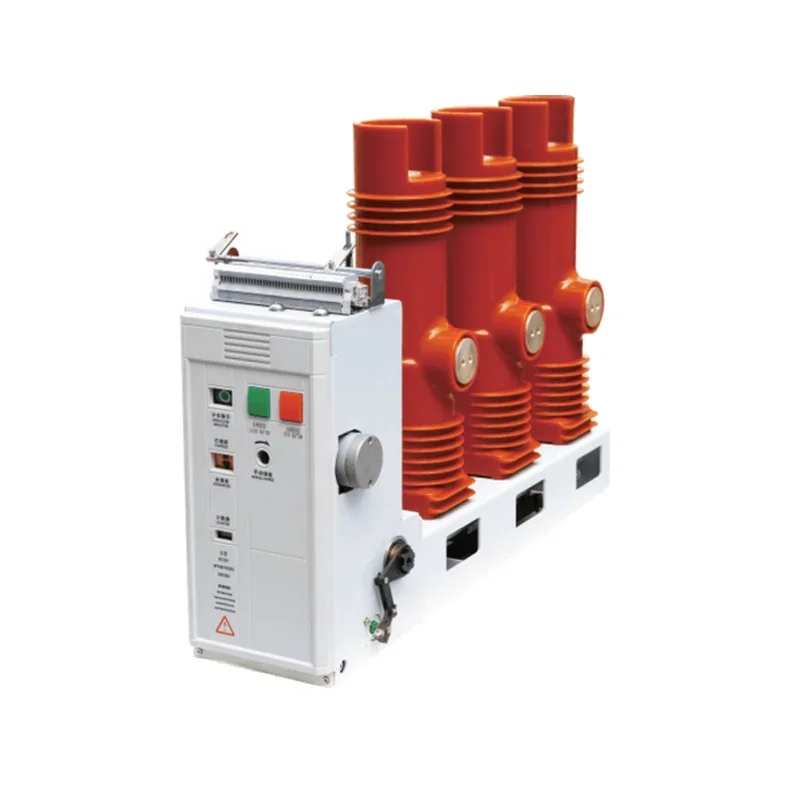
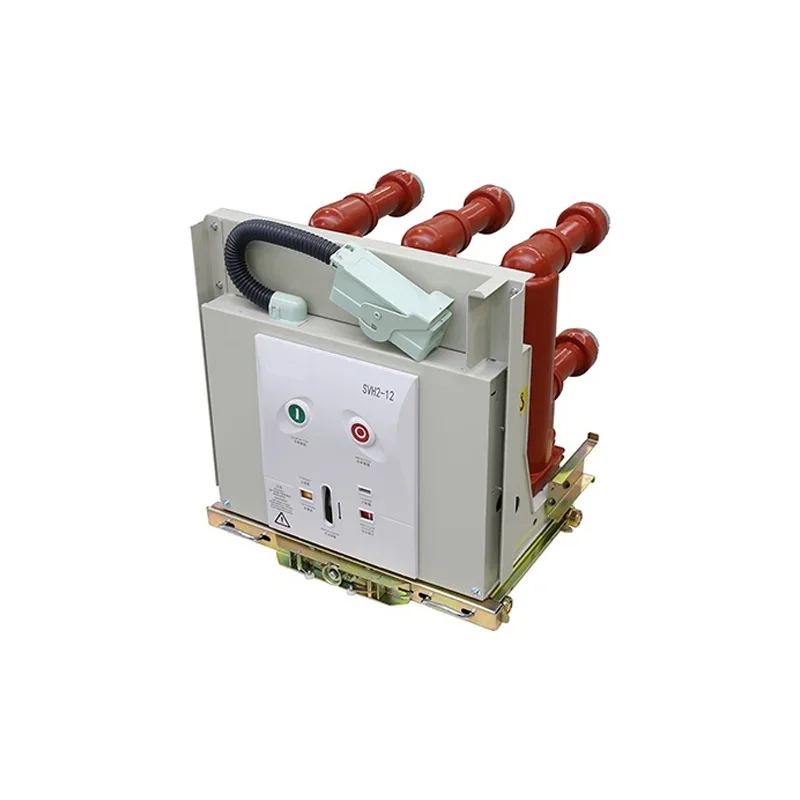
Gas insulated switchgear (GIS) is an advanced technology that has gained significant traction in the electrical and power distribution industry. Unlike traditional air-insulated switchgear, GIS utilizes gas, typically sulfur hexafluoride (SF6), as an insulating medium. This innovation leads to several advantages that are critical in modern power systems. One of the primary benefits of gas insulate
Mar 30,2025
One of the primary benefits of gas insulated switchgear is its compact design. GIS systems require less space compared to conventional switchgear, making them suitable for installations in urban areas where space is at a premium. This compactness does not compromise performance; in fact, GIS can handle high voltages efficiently, making it ideal for substations and industrial applications.
Another significant advantage of GIS is its high reliability and reduced maintenance requirements. The enclosed design minimizes exposure to environmental factors such as dust, moisture, and pollution, which can lead to failures in traditional equipment. As a result, GIS has a longer lifespan and often operates with less frequency of maintenance, translating to lower operational costs over time.
Moreover, gas insulated switchgear is known for its enhanced safety features. The use of SF6 gas not only provides excellent insulation but also forms an effective barrier against electrical arcs and faults. This safety aspect is particularly crucial in high-voltage environments, where the risks associated with electric shock and equipment damage are elevated. Additionally, GIS systems are designed with safety mechanisms to ensure that maintenance work can be performed without the risk of accidental exposure to high voltage.
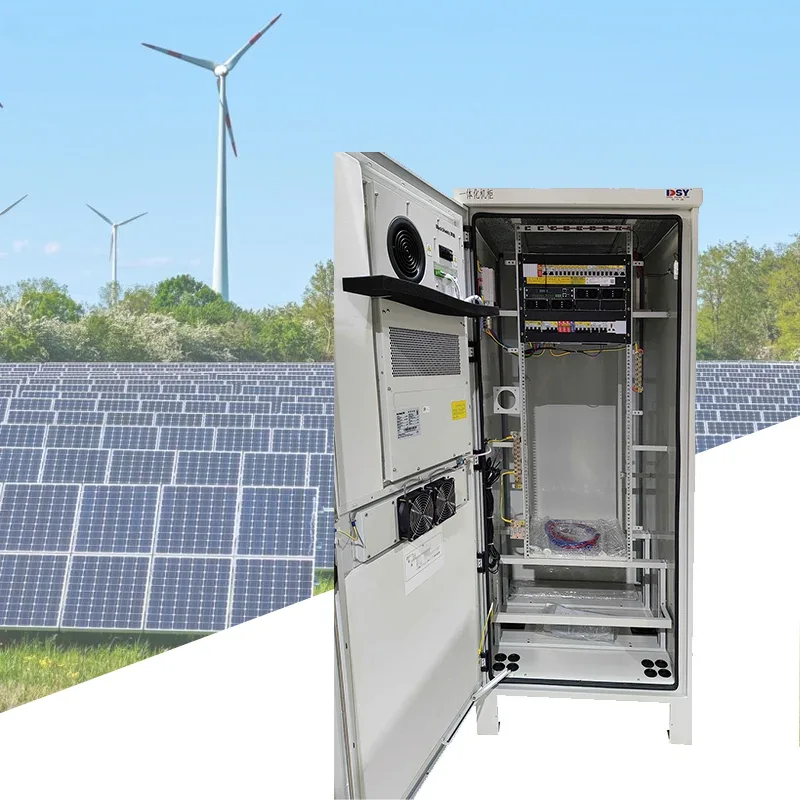
In terms of applications, gas insulated switchgear is widely used in substations, wind farms, industrial plants, and renewable energy installations. Its ability to operate effectively in harsh weather conditions, such as extreme temperatures and humidity, further enhances its appeal in various sectors. Furthermore, as the push for more sustainable energy solutions intensifies, GIS plays a pivotal role in facilitating the integration of renewable energy sources into the grid.
In summary, gas insulated switchgear represents a significant leap forward in electrical infrastructure technology. Its compactness, reliability, safety features, and adaptability to various applications make it an attractive option for modern power distribution systems. Understanding the benefits and operational principles of GIS can empower professionals in the electrical industry to make informed choices that align with contemporary energy demands and sustainability goals. As the industry continues to evolve, embracing technologies like GIS will be essential for future-proofing electrical systems and ensuring the efficient delivery of power.
Related News

From June 5th to 8th, 2025, Shenzhen Dongshengyuan Electrical Equipment Co., Ltd. (hereinafter referred to as "Dongshengyuan Electric") participated in the Southeast Asia Electricity and Energy Exhibition (SEAPAE) held in Jakarta, Indonesia. During the exhibition, the company highlighted its three core product lines: high-voltage and low-voltage distribution switchgear, intelligent circuit breakers, and environmentally friendly load switches. These products are designed to provide targeted solutions for the high temperature and high humidity environments commonly found in Southeast Asia, as well as the growing demand for new energy access. They have successfully attracted over 200 industry customers for business negotiations.
The difference between circuit breakers and vacuum circuit breakers
Circuit breaker is an abbreviation for pole type circuit breaker. Circuit breakers are also vacuum circuit breakers
1B601, Lefu Square, No. 481 Guangming Avenue, Dongkeng Community, Fenghuang Street, Guangming District, Shenzhen
Request Quote
Note: Please leave your contact information and our professionals will contact you as soon as possible!