Welcome to Shenzhen Dongshengyuan Electrical Equipment Co., Ltd.

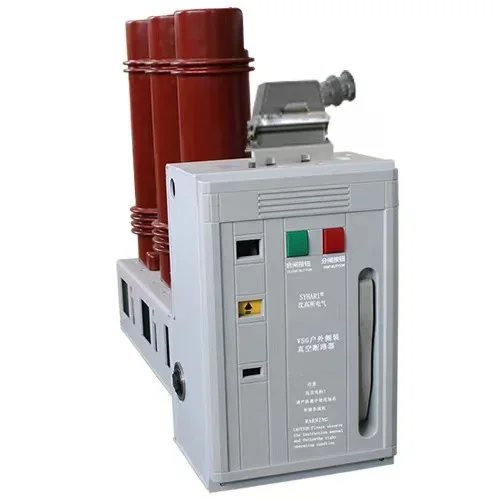
Understanding the Importance of Switchgear in Modern Electrical Systems
Understanding the Importance of Switchgear in Modern Electrical Systems Table of Contents What is Switchgear? Types of Switchgear Functions of Switchgear in Electrical Systems Importance of Switchgear in Electrical Infrastructure Choosing the Right Switchgear for Your Needs Maintenance and Care of Switchgear The Future of Switchgear Technology Frequently Asked Questions (FAQs) Wh
Mar 17,2025
Understanding the Importance of Switchgear in Modern Electrical Systems
Table of Contents
- What is Switchgear?
- Types of Switchgear
- Functions of Switchgear in Electrical Systems
- Importance of Switchgear in Electrical Infrastructure
- Choosing the Right Switchgear for Your Needs
- Maintenance and Care of Switchgear
- The Future of Switchgear Technology
- Frequently Asked Questions (FAQs)
What is Switchgear?
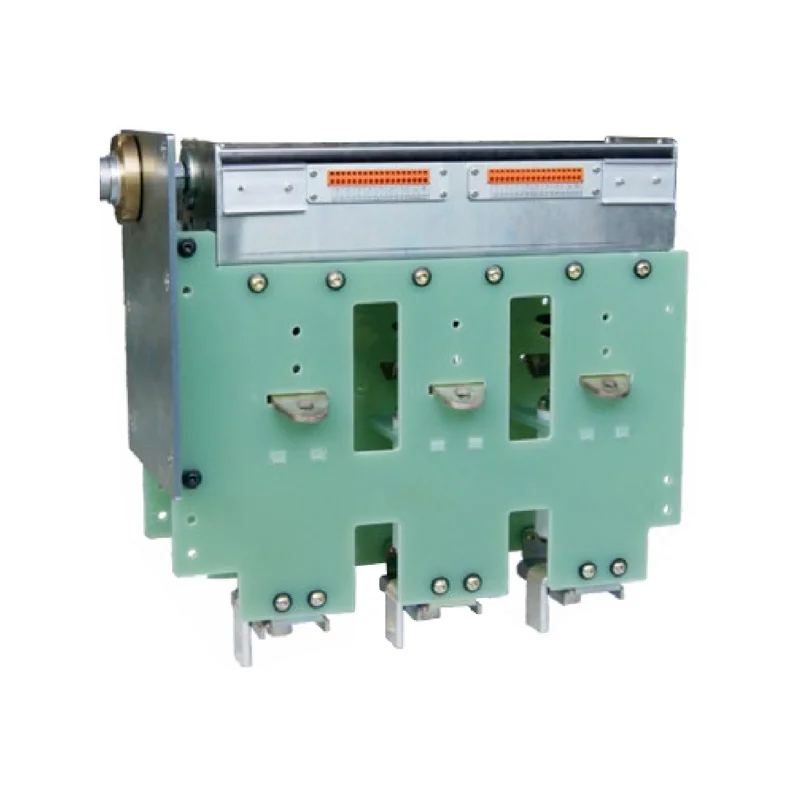
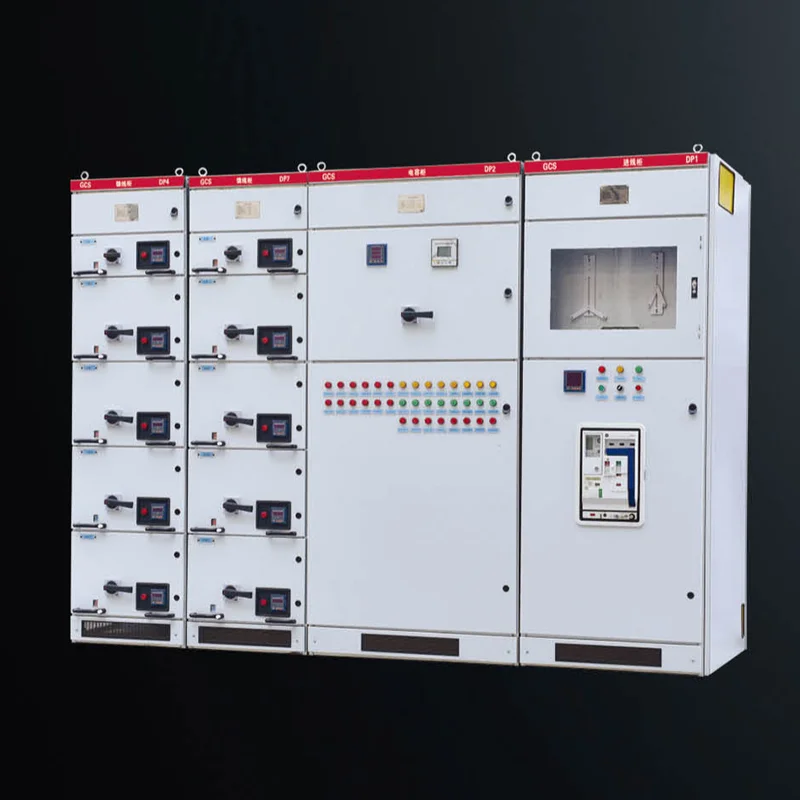
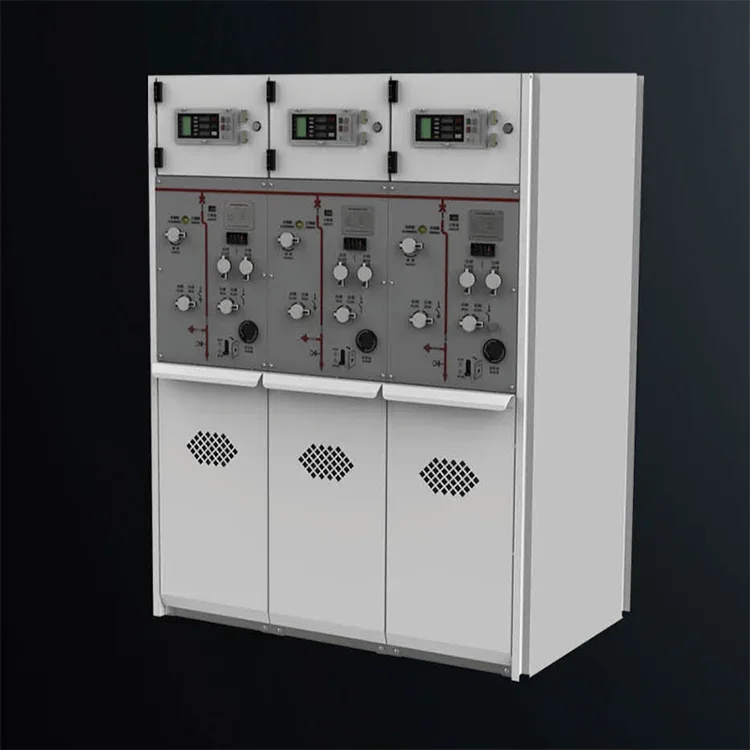
Switchgear refers to a collection of electrical devices designed to control, protect, and isolate electrical equipment. It plays a vital role in the electrical distribution system, ensuring that electricity flows safely and efficiently. Switchgear can be found in many forms, including circuit breakers, disconnect switches, fuses, and relays, each serving a unique purpose in the electrical system.
Switchgear acts as the first line of defense against electrical faults, protecting both equipment and personnel. By interrupting the flow of current during abnormal conditions, such as short circuits or overloads, switchgear helps to prevent damage and reduce the risk of electrical fires.
Types of Switchgear
There are several types of switchgear employed in electrical systems, each tailored for specific applications:
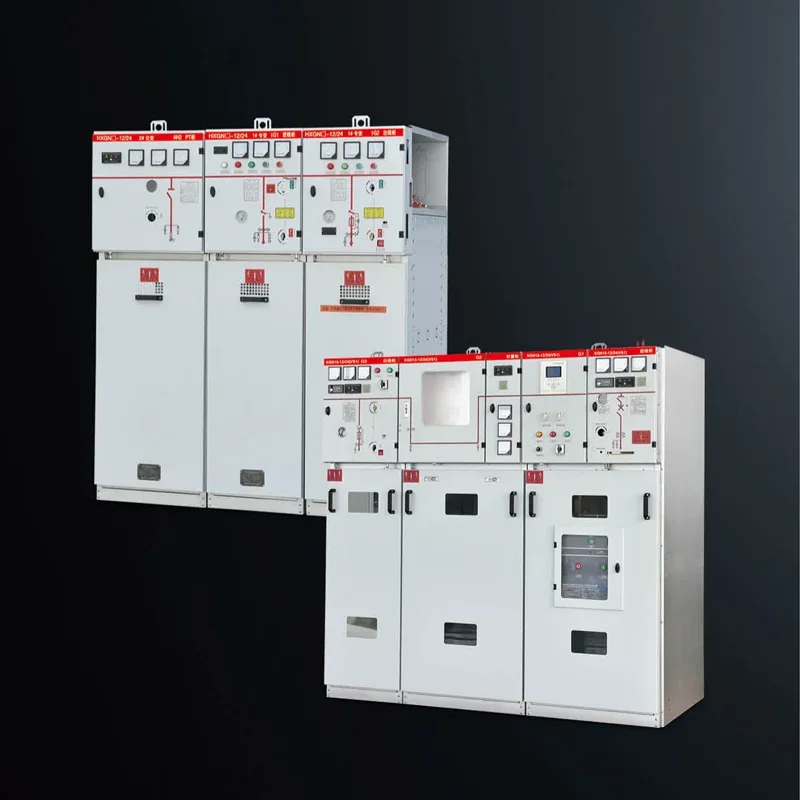
1. Air-Insulated Switchgear (AIS)
Air-insulated switchgear is commonly used in medium and high voltage applications. It relies on air as an insulating medium, making it a cost-effective option with good reliability. AIS is often found in substations and outdoor installations.
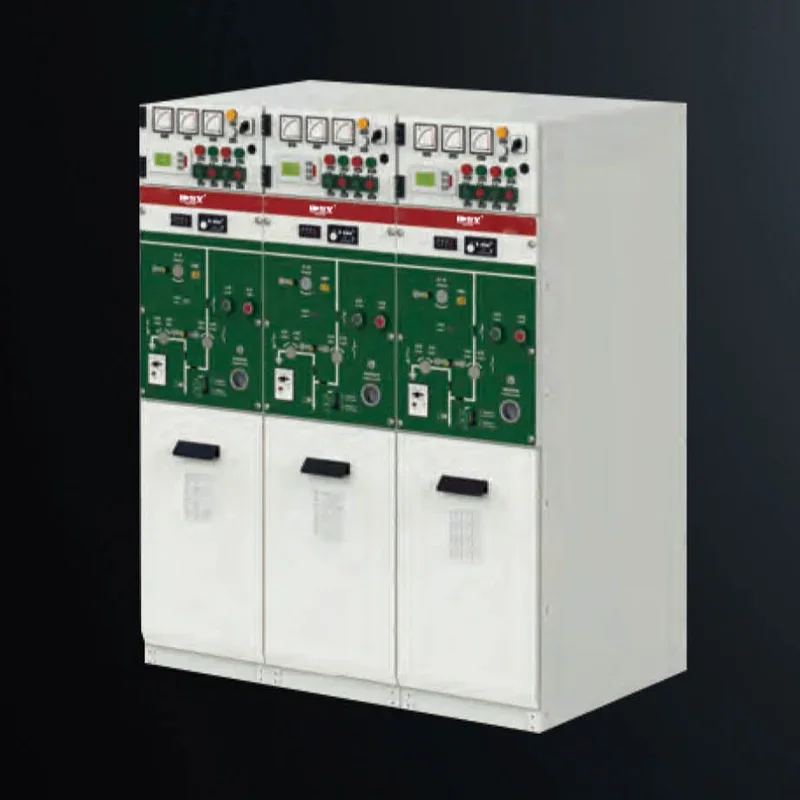
2. Gas-Insulated Switchgear (GIS)
Gas-insulated switchgear utilizes sulfur hexafluoride (SF6) gas for insulation. This type of switchgear is compact and ideal for installations with limited space, such as urban areas. GIS is known for its high reliability and low maintenance requirements.
3. Hybrid Switchgear
Hybrid switchgear combines the features of AIS and GIS, offering flexibility and efficiency. It provides a compact solution suitable for various applications while maintaining high performance.
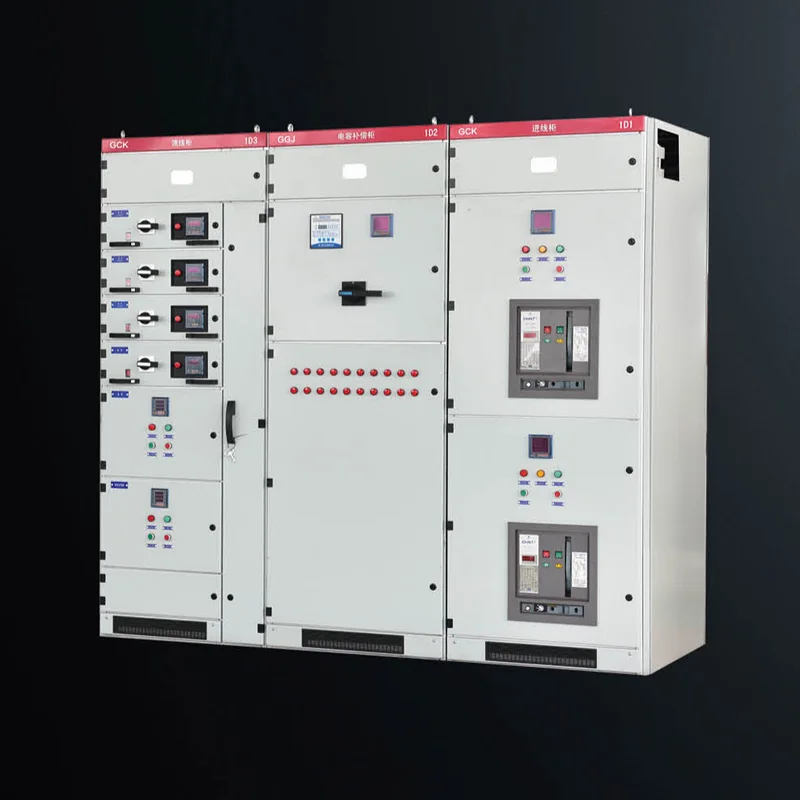
4. Low-Voltage Switchgear
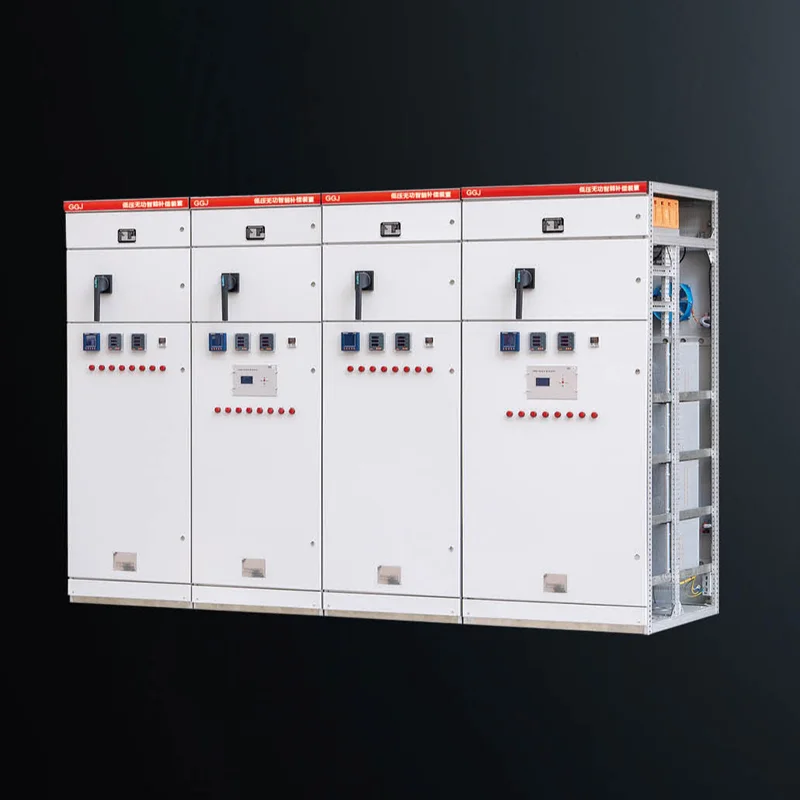
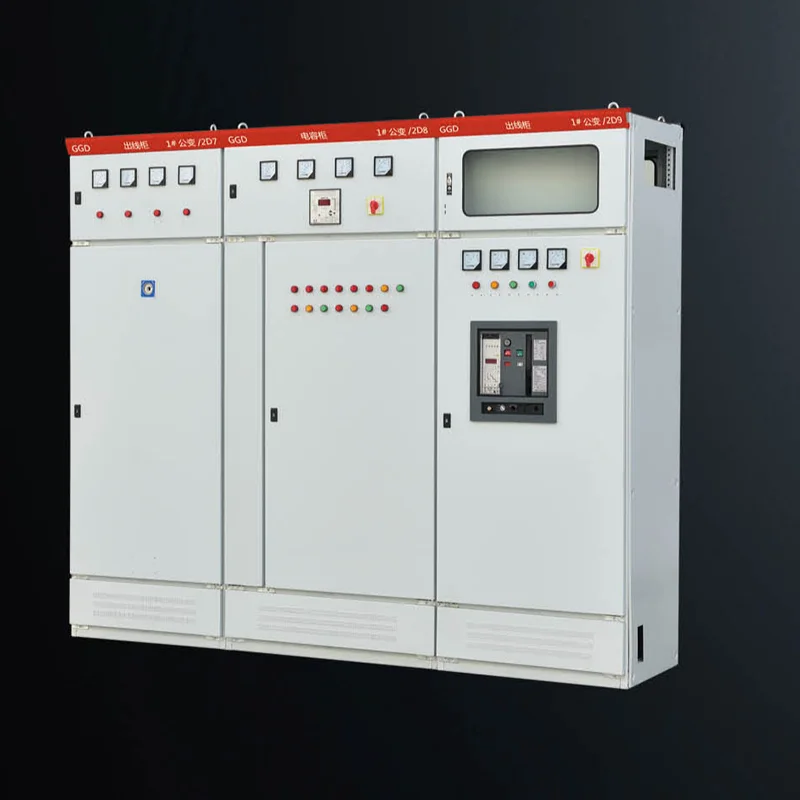
Low-voltage switchgear is crucial for residential and commercial applications. It manages the distribution of electricity at lower voltage levels, ensuring safety and reliability in everyday electrical systems.
Functions of Switchgear in Electrical Systems
The primary functions of switchgear in electrical systems include:
1. Protection
Switchgear protects electrical equipment from damage caused by overloads, short circuits, and other fault conditions. By quickly isolating the affected section of the system, switchgear minimizes potential damage and downtime.
2. Control
Switchgear allows operators to control the flow of electricity within the grid. It provides the ability to connect or disconnect circuits as needed, facilitating maintenance and operational flexibility.
3. Isolation
One of the critical functions of switchgear is to isolate equipment for maintenance and repairs. This ensures that technicians can work safely without the risk of electrical shock or equipment damage.
4. Monitoring
Many modern switchgear systems are equipped with advanced monitoring capabilities. These systems can provide real-time data on electrical parameters, enabling proactive maintenance and quick response to anomalies.
Importance of Switchgear in Electrical Infrastructure
Switchgear is integral to the safety, efficiency, and reliability of electrical infrastructure. Here’s why it holds such significance:
1. Enhancing Safety
Safety is paramount in electrical systems. Switchgear mitigates risks associated with electrical faults, protecting both equipment and personnel. By interrupting electrical flow during fault conditions, it significantly reduces the chances of fires and electrocutions.
2. Boosting System Reliability
Reliable power distribution is essential for businesses and residences alike. Switchgear ensures that electrical systems operate smoothly, minimizing downtime and service interruptions. This reliability is critical for industries that rely on continuous power supply.
3. Facilitating Maintenance
Effective switchgear management simplifies maintenance tasks. With the ability to isolate sections of the electrical system, technicians can perform repairs without disrupting service to other areas. This leads to increased efficiency and cost savings.
4. Supporting Modern Energy Demands
As energy demands continue to grow, switchgear technology has evolved to meet these needs. Modern switchgear can handle higher loads, integrate renewable energy sources, and support smart grid applications, making it a key component in the transition to sustainable energy systems.
Choosing the Right Switchgear for Your Needs
Selecting the appropriate switchgear depends on various factors, including:
1. Application Requirements
Consider the specific requirements of your electrical system. Different applications may necessitate distinct types of switchgear for optimal performance.
2. Voltage Levels
Ensure that the switchgear you choose is rated for the voltage levels present in your system. This is critical for safety and compliance with regulatory standards.
3. Space Constraints
Space availability can influence your choice. In areas with limited space, gas-insulated switchgear may be the best option due to its compact design.
4. Future Expansion
Plan for future needs. Choose switchgear that can accommodate potential system expansions or increased load demands.
Maintenance and Care of Switchgear
Regular maintenance of switchgear is essential to ensure its reliability and longevity. Here are some maintenance practices to consider:
1. Routine Inspections
Conduct regular inspections of switchgear components to identify any signs of wear and tear. This can prevent minor issues from escalating into major failures.
2. Testing and Calibration
Perform periodic testing and calibration to ensure that switchgear operates correctly under various conditions. This includes testing protective relays and circuit breakers.
3. Cleaning
Keep switchgear clean and free from dust and debris. Accumulation of dirt can impair the functionality of components and increase the risk of faults.
4. Documentation
Maintain detailed records of maintenance activities, inspections, and any issues encountered. This documentation can be invaluable for troubleshooting and future maintenance planning.
The Future of Switchgear Technology
The future of switchgear is closely tied to advancements in technology and energy management. Key trends include:
1. Smart Switchgear
Smart switchgear integrates digital technology, enabling remote monitoring and control. This enhances operational efficiency and allows for real-time data analysis.
2. Sustainable Solutions
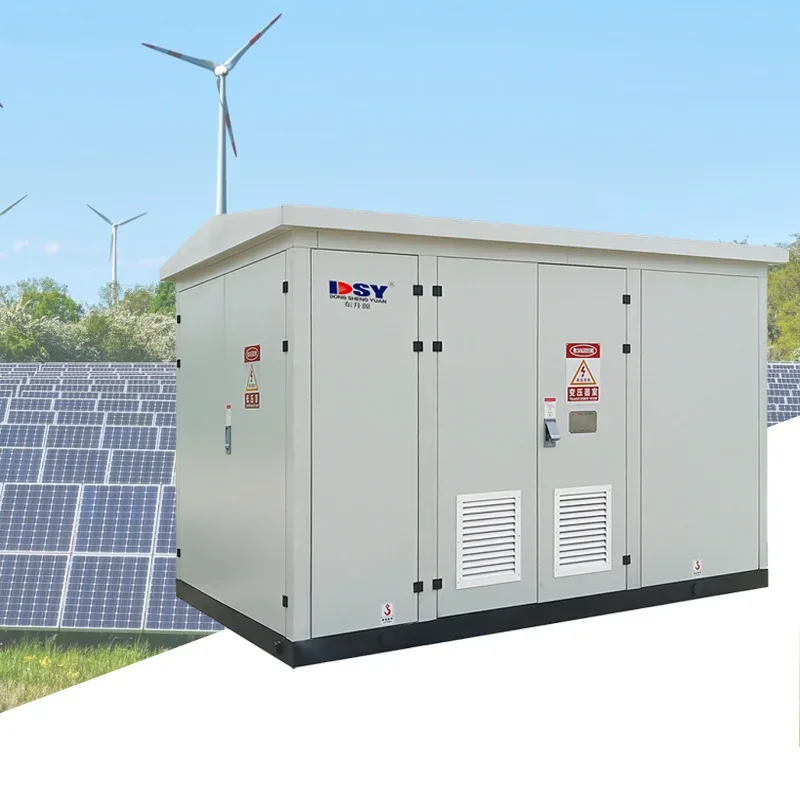
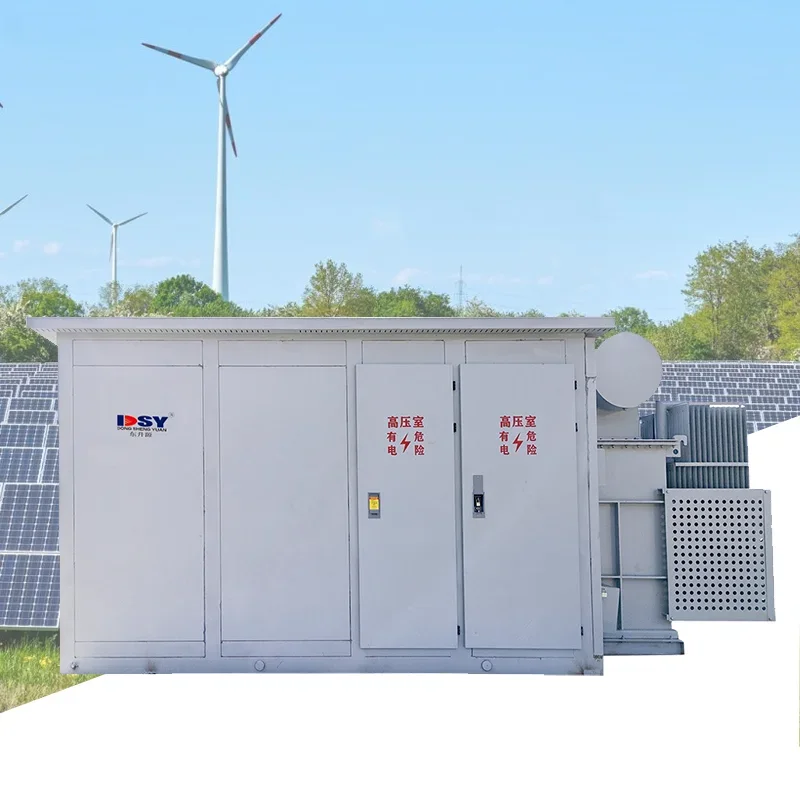
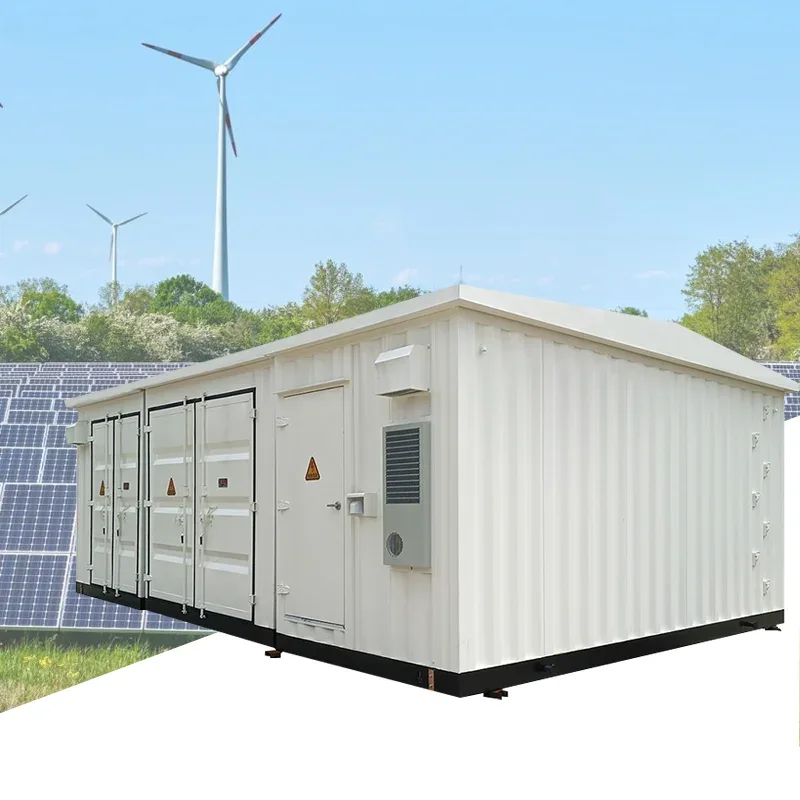
As industries move towards sustainability, switchgear technology is evolving to support renewable energy integration. This includes features that facilitate the connection of solar and wind energy sources to the grid.
3. Enhanced Safety Features
Future switchgear designs are expected to incorporate advanced safety features, reducing the risk of electrical hazards and improving overall system reliability.
4. Customization
With the growing complexity of electrical systems, customizable switchgear solutions will allow for tailored applications, ensuring optimal performance in diverse environments.
Frequently Asked Questions (FAQs)
1. What is the main function of switchgear?
The primary function of switchgear is to control, protect, and isolate electrical equipment, ensuring safety and reliability in electrical systems.
2. How often should switchgear be maintained?
Switchgear should be inspected regularly, with maintenance schedules typically ranging from six months to a year, depending on usage and environmental conditions.
3. What types of switchgear are commonly used?
Common types of switchgear include air-insulated switchgear (AIS), gas-insulated switchgear (GIS), hybrid switchgear, and low-voltage switchgear.
4. Why is switchgear important for safety?
Switchgear is crucial for safety as it provides protection against electrical faults, reducing the risk of equipment damage and electrical hazards.
5. Can switchgear be used in renewable energy applications?
Yes, modern switchgear is designed to support renewable energy integration, allowing for the connection of solar and wind energy systems to the electrical grid.
Conclusion
In summary, switchgear plays a fundamental role in modern electrical systems, ensuring safety, reliability, and efficiency. Understanding its various types, functions, and importance can significantly enhance electrical infrastructure, paving the way for improved operational performance. As technology continues to evolve, embracing advancements in switchgear will be crucial for meeting future energy demands and supporting sustainable practices. Investing in high-quality switchgear and adhering to proper maintenance protocols are essential steps toward a robust electrical system that can withstand the challenges of the modern world.
PREVIOUS:
Related News

From June 5th to 8th, 2025, Shenzhen Dongshengyuan Electrical Equipment Co., Ltd. (hereinafter referred to as "Dongshengyuan Electric") participated in the Southeast Asia Electricity and Energy Exhibition (SEAPAE) held in Jakarta, Indonesia. During the exhibition, the company highlighted its three core product lines: high-voltage and low-voltage distribution switchgear, intelligent circuit breakers, and environmentally friendly load switches. These products are designed to provide targeted solutions for the high temperature and high humidity environments commonly found in Southeast Asia, as well as the growing demand for new energy access. They have successfully attracted over 200 industry customers for business negotiations.
The difference between circuit breakers and vacuum circuit breakers
Circuit breaker is an abbreviation for pole type circuit breaker. Circuit breakers are also vacuum circuit breakers
1B601, Lefu Square, No. 481 Guangming Avenue, Dongkeng Community, Fenghuang Street, Guangming District, Shenzhen
Request Quote
Note: Please leave your contact information and our professionals will contact you as soon as possible!