Welcome to Shenzhen Dongshengyuan Electrical Equipment Co., Ltd.

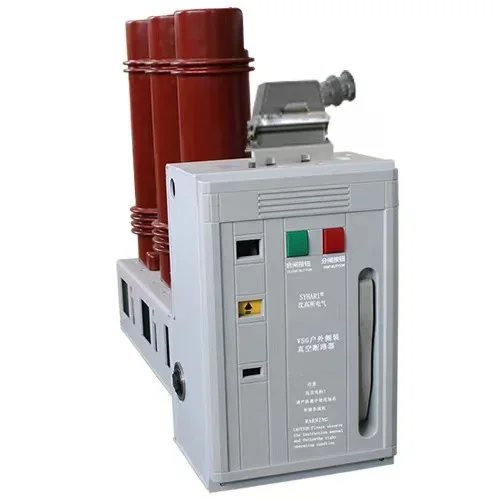
Integrating Power Distribution Switchgear with Automation Systems: A Comprehensive Guide
Integrating Power Distribution Switchgear with Automation Systems: A Comprehensive Guide Table of Contents 1. Introduction to Power Distribution Switchgear 2. Importance of Integrating Automation Systems 3. Key Benefits of Integration 4. Challenges in Integration 5. Technologies Enabling Integration 6. Real-World Case Studies 7. Future Trends in Power Distribution and
Mar 15,2025
Integrating Power Distribution Switchgear with Automation Systems: A Comprehensive Guide
Table of Contents
- 1. Introduction to Power Distribution Switchgear
- 2. Importance of Integrating Automation Systems
- 3. Key Benefits of Integration
- 4. Challenges in Integration
- 5. Technologies Enabling Integration
- 6. Real-World Case Studies
- 7. Future Trends in Power Distribution and Automation
- 8. Conclusion
- 9. Frequently Asked Questions
1. Introduction to Power Distribution Switchgear
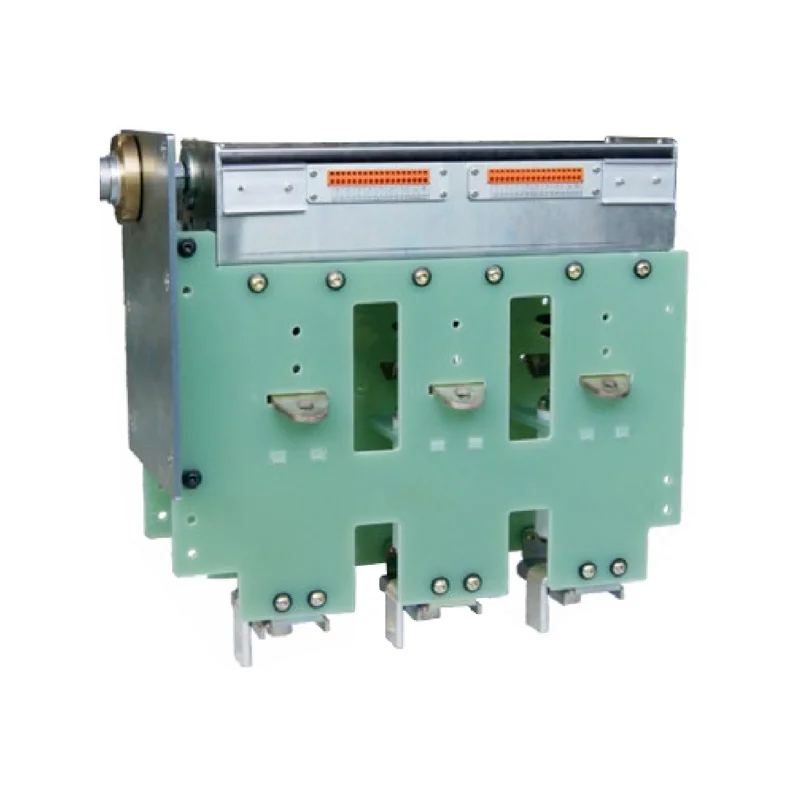
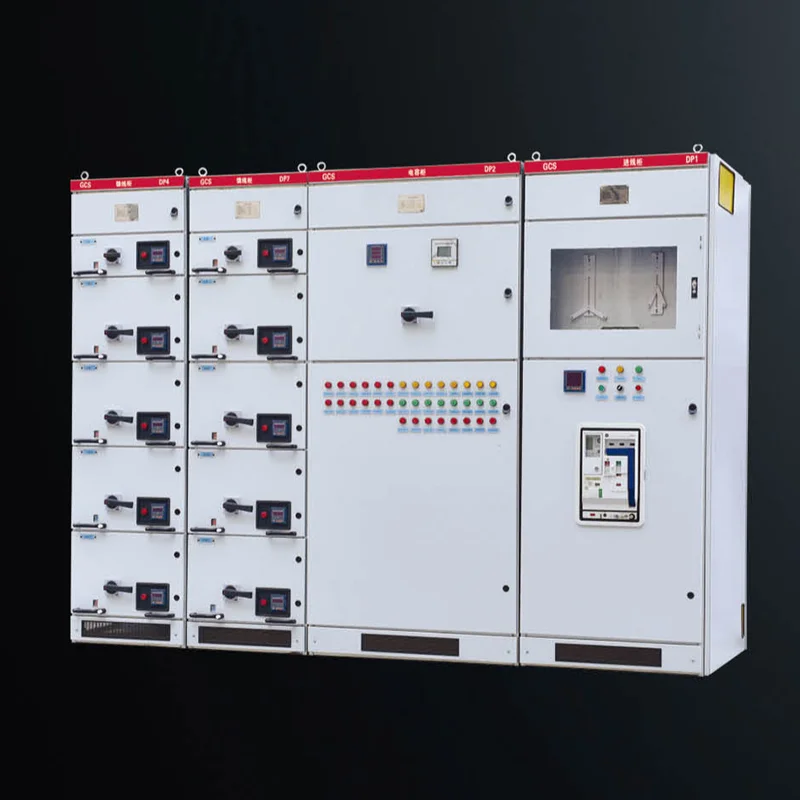
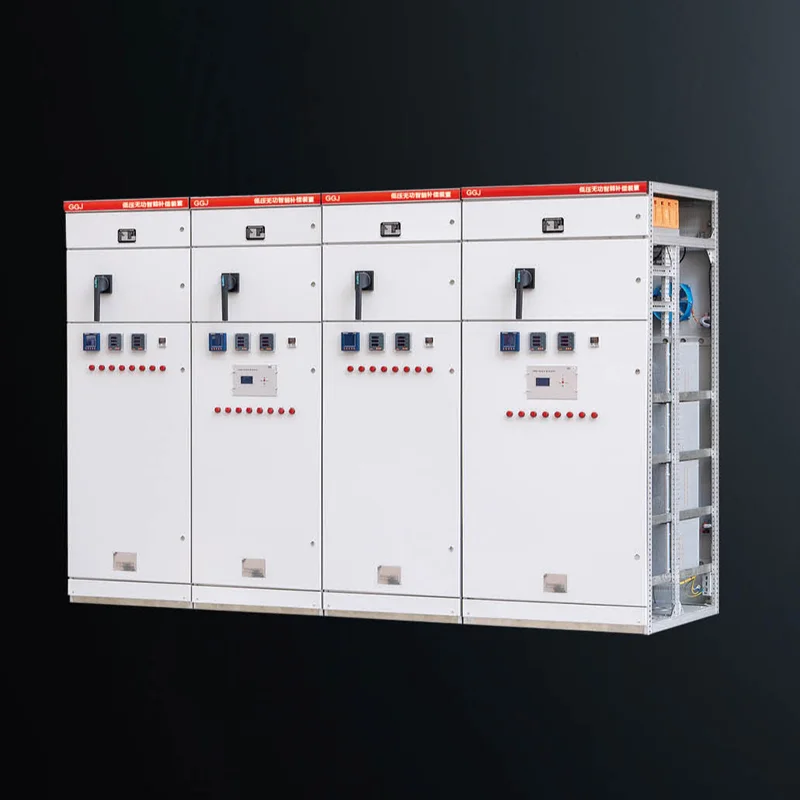
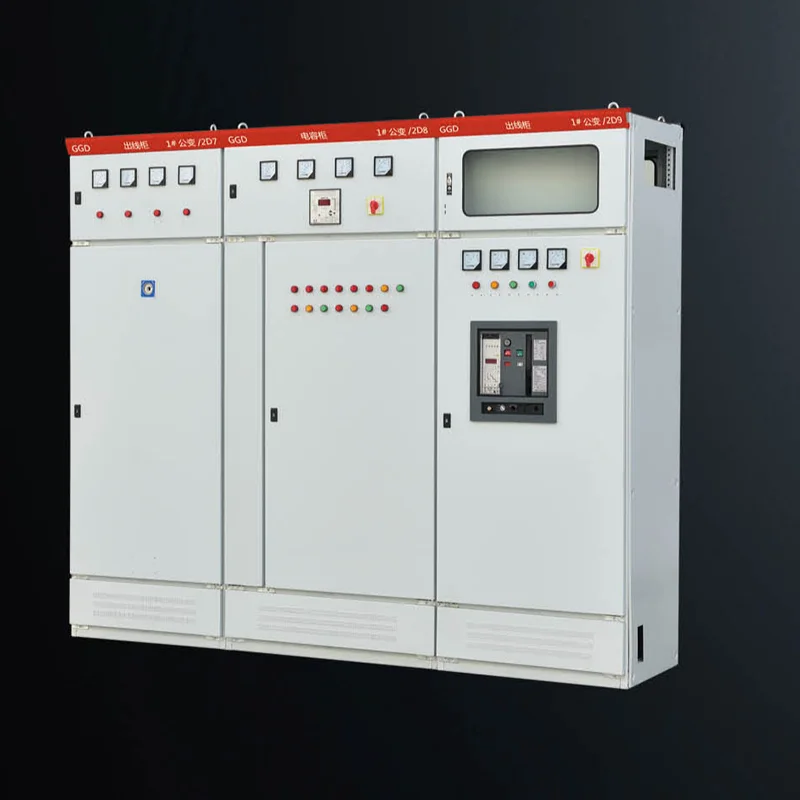
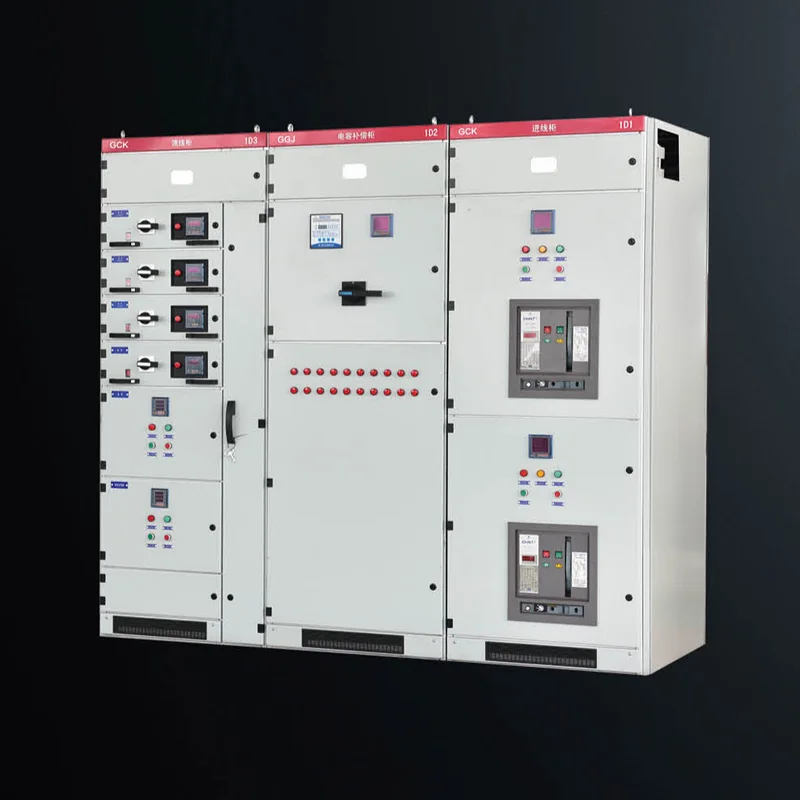
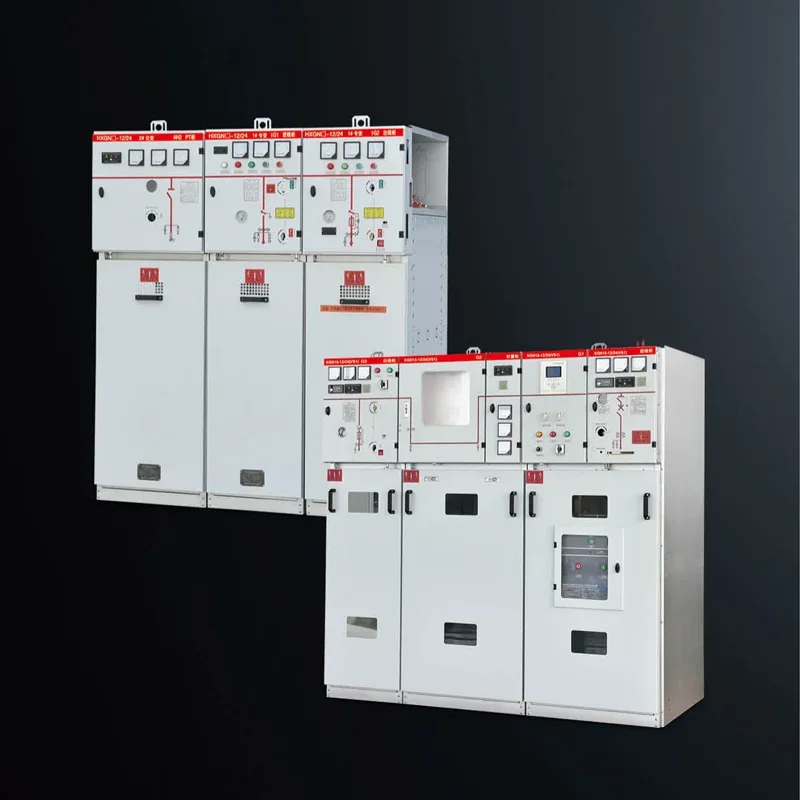
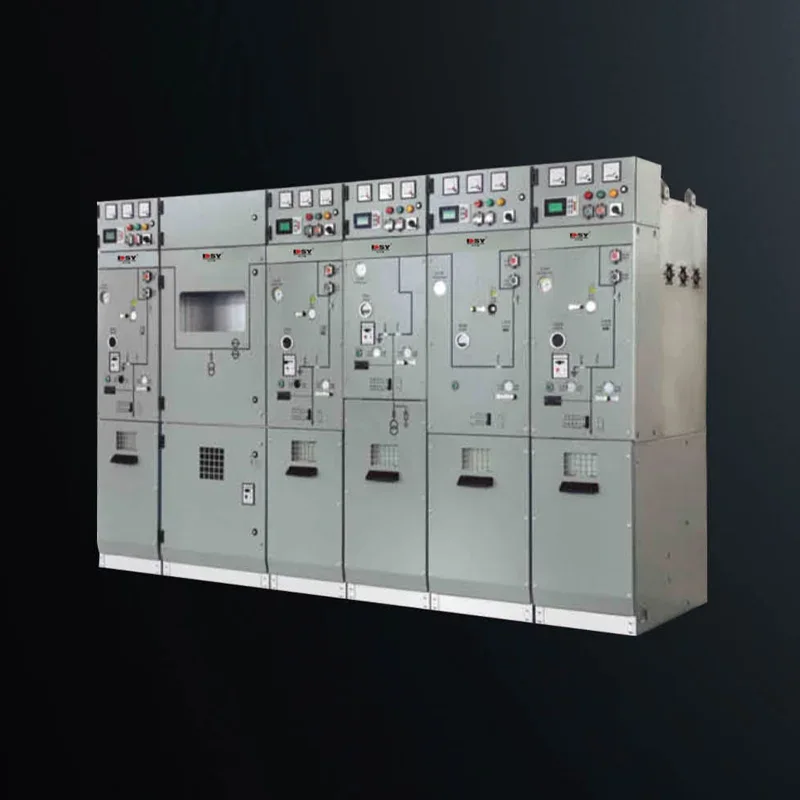
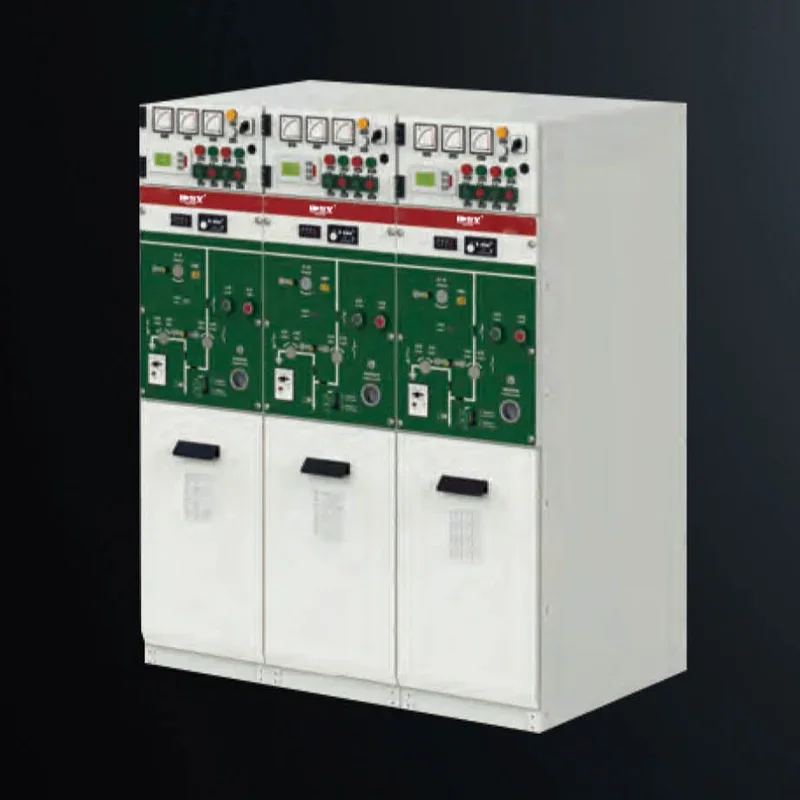
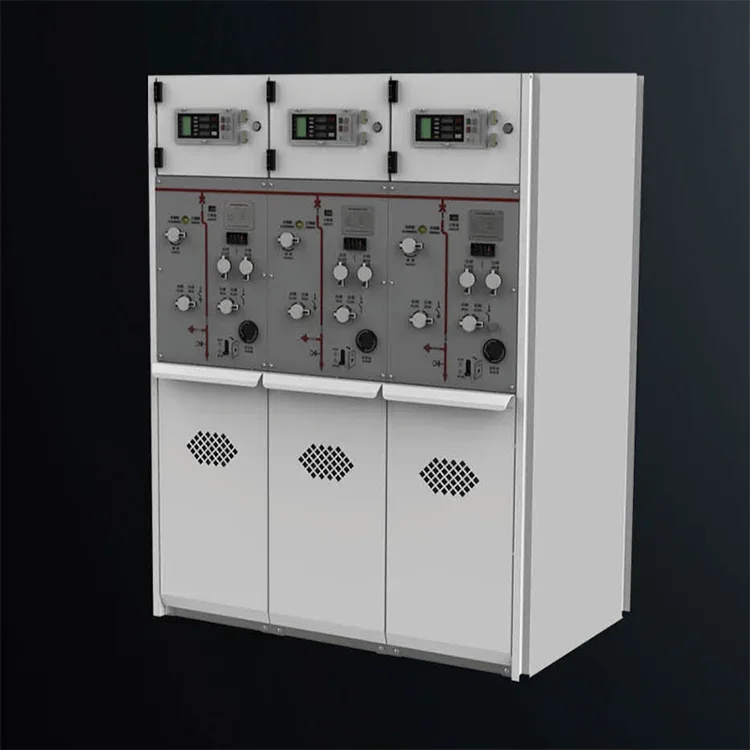
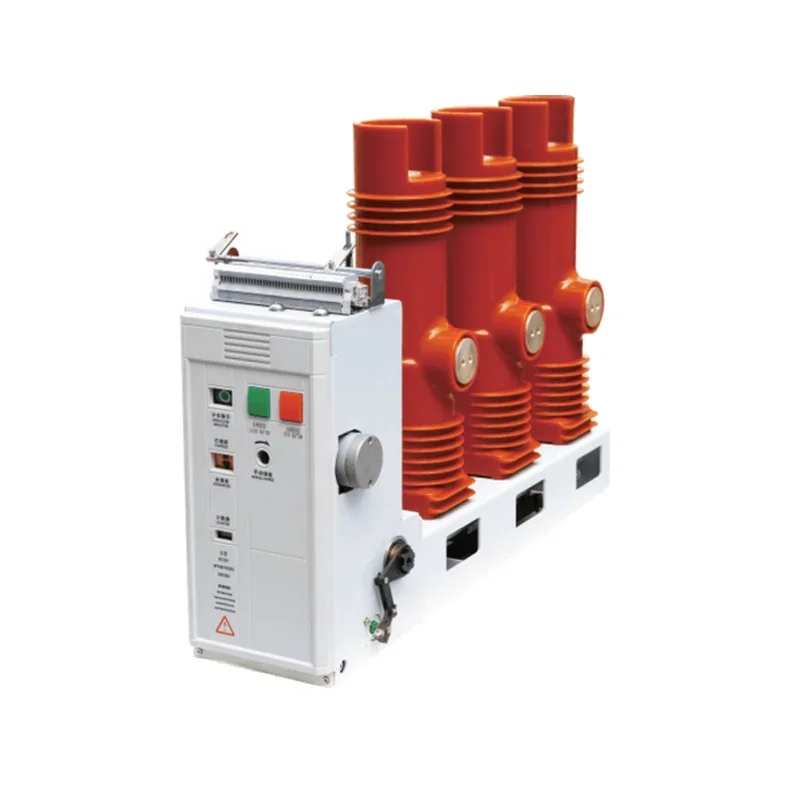
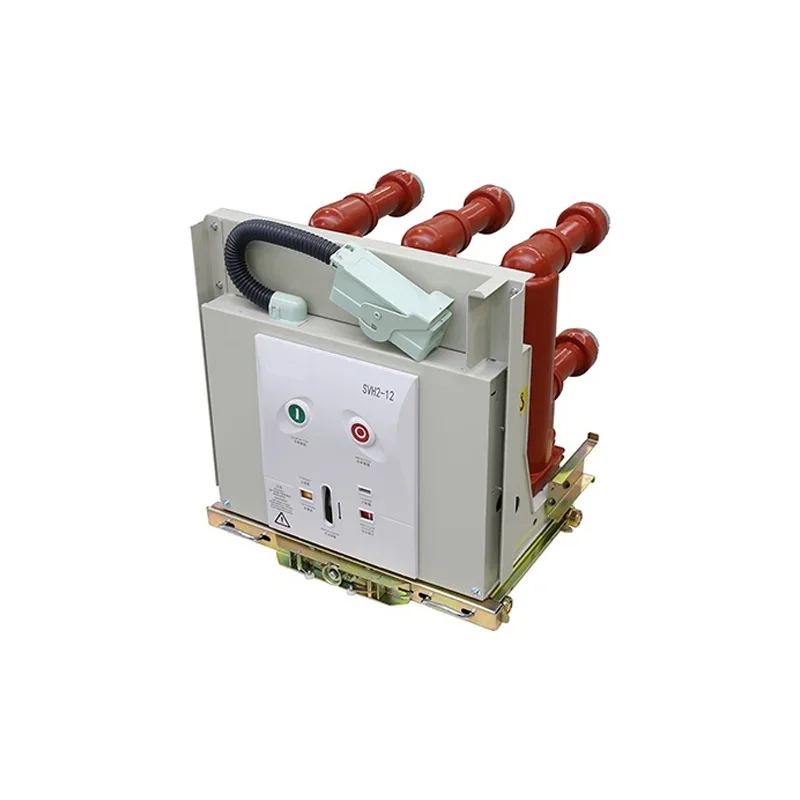
Power distribution switchgear plays a vital role in managing electrical power flows and ensuring the safety and reliability of electrical systems. Switchgear encompasses a variety of equipment, such as circuit breakers, disconnectors, and fuses, which work in unison to protect electrical circuits from overloads and faults. As industries increasingly adopt advanced technologies, integrating power distribution switchgear with automation systems becomes paramount.
2. Importance of Integrating Automation Systems
The integration of automation systems with power distribution switchgear allows for enhanced monitoring, control, and management of electrical networks. Automation systems provide real-time data that can be leveraged to optimize energy consumption, reduce downtime, and improve overall system performance. As energy efficiency becomes a significant concern for industries worldwide, this integration aids in achieving sustainability goals.
2.1 Enhancing Operational Efficiency
By integrating automation systems, organizations can automate various processes such as fault detection, load management, and performance monitoring. This results in quicker response times and minimizes manual intervention, allowing staff to focus on strategic tasks.
2.2 Improving Safety Standards
Automation systems can enhance safety by providing automated alerts and shutdown procedures in response to abnormal conditions. This proactive approach to safety minimizes the risk of electrical accidents and equipment damage.
3. Key Benefits of Integration
The integration of power distribution switchgear with automation systems offers several advantages that are essential for modern electrical networks.
3.1 Real-Time Monitoring and Control
One of the primary benefits is the ability to monitor electrical systems in real-time. Automation systems collect and analyze data, offering insights that enable operators to make informed decisions.
3.2 Increased Reliability
Integrating these systems can significantly enhance the reliability of power distribution networks. Automated systems can quickly identify and isolate faults, reducing the risk of widespread outages.
3.3 Cost Savings
By optimizing energy usage and reducing operational downtime, organizations can achieve substantial cost savings. Predictive maintenance enabled by automation can also prevent costly repairs and extend the lifespan of equipment.
3.4 Enhanced Data Analytics
Automation systems provide valuable data analytics capabilities, allowing for better forecasting and planning. Organizations can analyze trends and patterns to improve energy efficiency and resource allocation.
4. Challenges in Integration
While the benefits of integrating power distribution switchgear with automation systems are compelling, several challenges must be addressed for successful implementation.
4.1 Compatibility Issues
Different manufacturers may use proprietary technology, leading to compatibility issues. It’s crucial to select systems that can communicate effectively with existing infrastructure.
4.2 Initial Costs
The initial investment for integrating automation systems can be high. Organizations must evaluate the long-term benefits against the upfront costs to justify the investment.
4.3 Training and Adaptation
Employees may need additional training to adapt to new technologies and processes. Organizations must invest in training programs to ensure smooth implementation and operation.
5. Technologies Enabling Integration
Several technologies facilitate the integration of power distribution switchgear with automation systems.
5.1 Supervisory Control and Data Acquisition (SCADA)
SCADA systems allow for centralized control and monitoring of electrical distribution networks. They gather real-time data, enabling operators to respond swiftly to issues.
5.2 Internet of Things (IoT)
IoT devices can be integrated into switchgear to provide real-time data on performance and condition. This connectivity enhances monitoring and allows for predictive maintenance.
5.3 Advanced Metering Infrastructure (AMI)
AMI provides detailed information on energy consumption patterns, facilitating better load management and reducing operational costs.
5.4 Artificial Intelligence (AI)
AI algorithms can analyze data generated by automation systems to predict potential failures, optimize energy usage, and improve decision-making processes.
6. Real-World Case Studies
To illustrate the benefits of integrating power distribution switchgear with automation systems, we present several real-world case studies.
6.1 Case Study 1: Manufacturing Facility
A large manufacturing facility integrated their switchgear with a SCADA system. This allowed them to automate fault detection and significantly reduce downtime, leading to increased productivity and cost savings.
6.2 Case Study 2: Smart Grid Implementation
In a smart grid project, IoT-enabled switchgear was used to streamline energy distribution. The real-time data analytics helped manage peak loads more effectively, ultimately enhancing grid reliability.
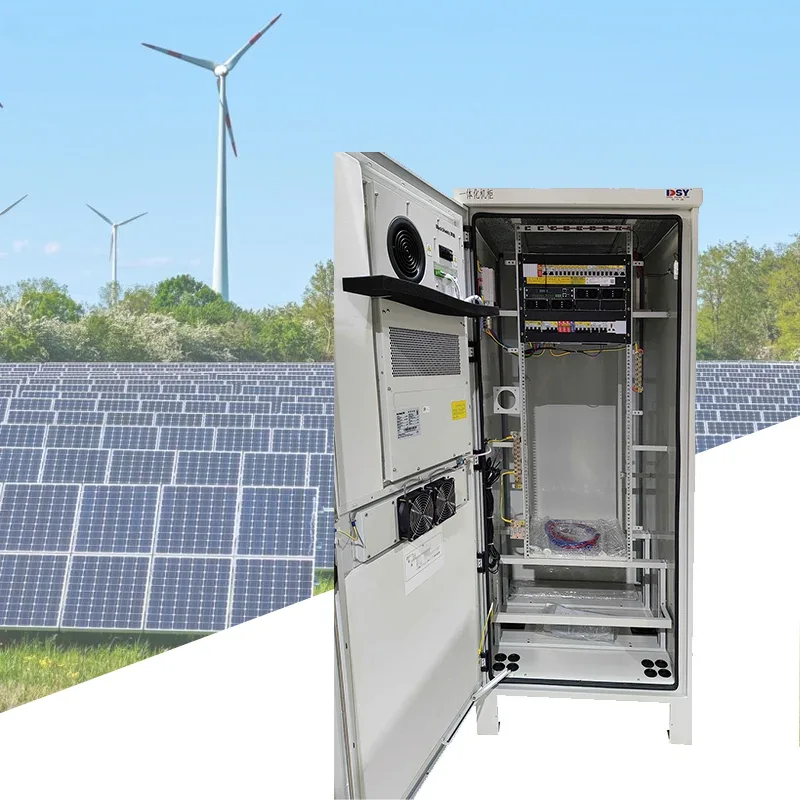
6.3 Case Study 3: Renewable Energy Integration
A renewable energy company utilized advanced metering infrastructure to monitor the output of solar panels and wind turbines. The integration allowed for better energy distribution and reduced waste.
7. Future Trends in Power Distribution and Automation
Looking ahead, the integration of power distribution switchgear with automation systems will likely evolve with technological advancements.
7.1 Increased Use of AI and Machine Learning
AI and machine learning will play a crucial role in predictive maintenance and energy management, making systems smarter and more efficient.
7.2 Enhanced Cybersecurity Measures
As systems become more interconnected, securing them against cyber threats will be paramount. Enhanced cybersecurity measures will be essential to protect sensitive data and ensure system integrity.
7.3 Greater Focus on Sustainability
With the growing emphasis on sustainability, integrating renewable energy sources with automated power distribution systems will become increasingly important, promoting greener energy solutions.
8. Conclusion
The integration of power distribution switchgear with automation systems is not just a trend but a necessity in today’s energy landscape. By leveraging advanced technologies, organizations can enhance efficiency, reliability, and safety while achieving significant cost savings. As industries continue to evolve and adopt new technologies, the synergy between power distribution and automation will pave the way for smarter, more sustainable energy management practices.
9. Frequently Asked Questions
What is power distribution switchgear?
Power distribution switchgear is a combination of electrical devices that manage and protect electrical systems by controlling the distribution of electricity.
Why integrate switchgear with automation systems?
Integrating switchgear with automation systems enhances operational efficiency, improves safety, and provides real-time monitoring and control of electrical networks.
What are the main benefits of integration?
Key benefits include real-time monitoring, increased reliability, cost savings, and enhanced data analytics for better decision-making.
What challenges might organizations face during integration?
Challenges include compatibility issues, initial costs, and the need for employee training to adapt to new systems.
What technologies support the integration process?
Technologies such as SCADA, IoT, AMI, and AI are instrumental in enabling the integration of power distribution switchgear with automation systems.
Related News

From June 5th to 8th, 2025, Shenzhen Dongshengyuan Electrical Equipment Co., Ltd. (hereinafter referred to as "Dongshengyuan Electric") participated in the Southeast Asia Electricity and Energy Exhibition (SEAPAE) held in Jakarta, Indonesia. During the exhibition, the company highlighted its three core product lines: high-voltage and low-voltage distribution switchgear, intelligent circuit breakers, and environmentally friendly load switches. These products are designed to provide targeted solutions for the high temperature and high humidity environments commonly found in Southeast Asia, as well as the growing demand for new energy access. They have successfully attracted over 200 industry customers for business negotiations.
The difference between circuit breakers and vacuum circuit breakers
Circuit breaker is an abbreviation for pole type circuit breaker. Circuit breakers are also vacuum circuit breakers
1B601, Lefu Square, No. 481 Guangming Avenue, Dongkeng Community, Fenghuang Street, Guangming District, Shenzhen
Request Quote
Note: Please leave your contact information and our professionals will contact you as soon as possible!