Welcome to Shenzhen Dongshengyuan Electrical Equipment Co., Ltd.

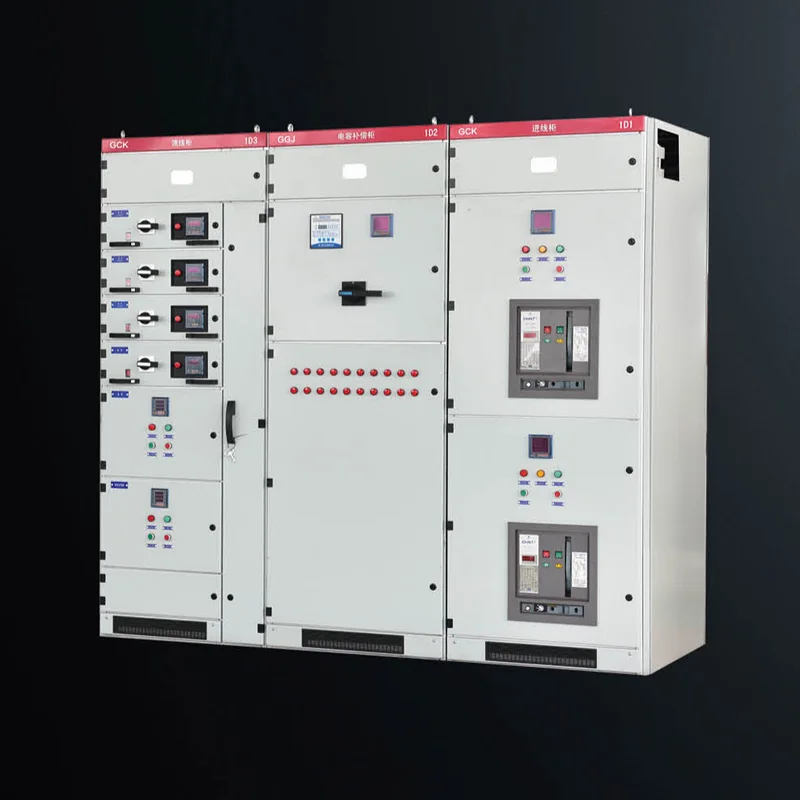
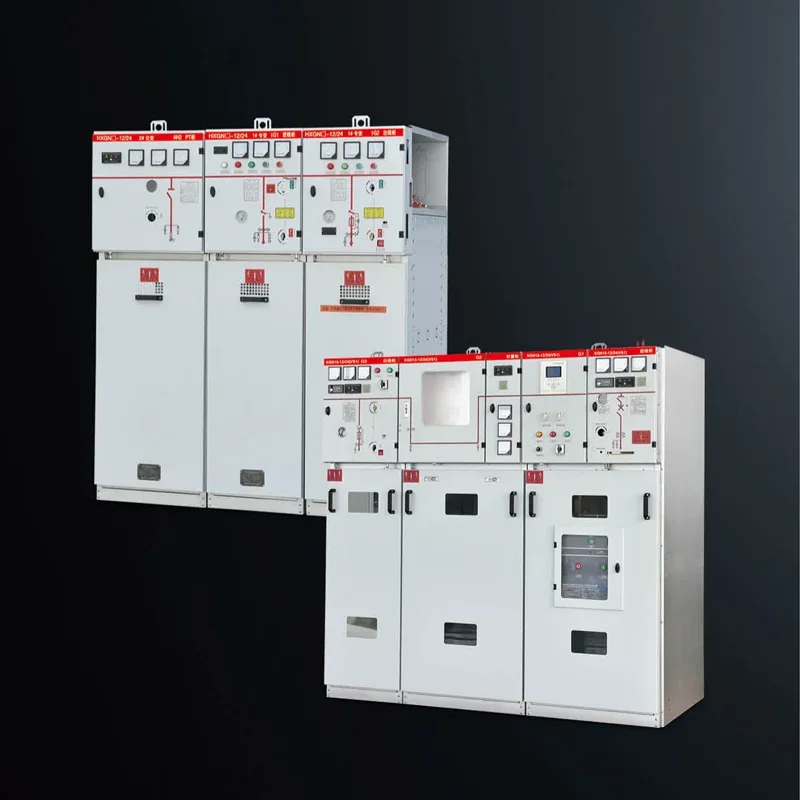
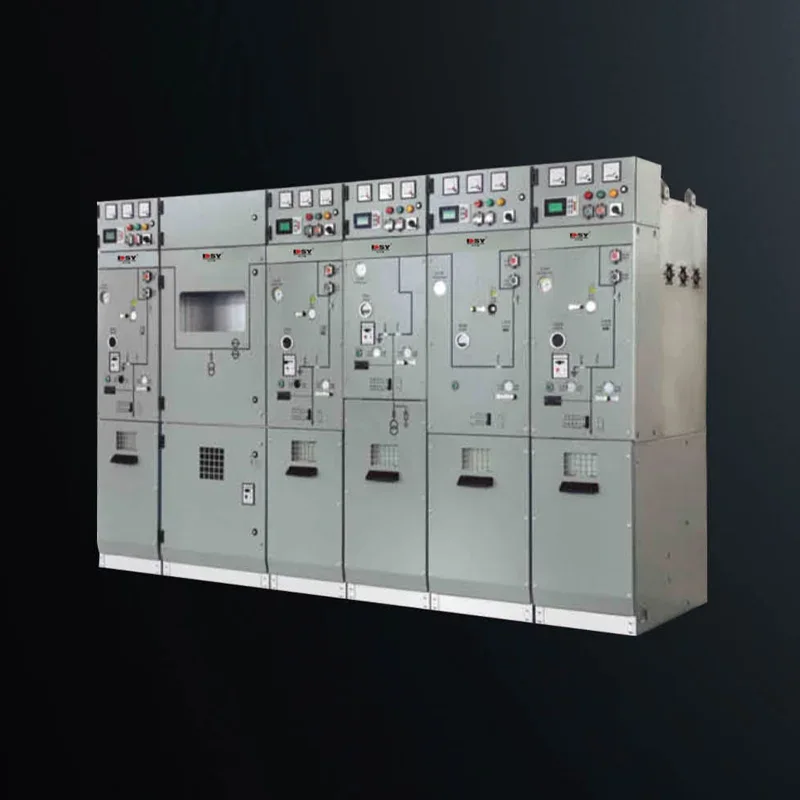
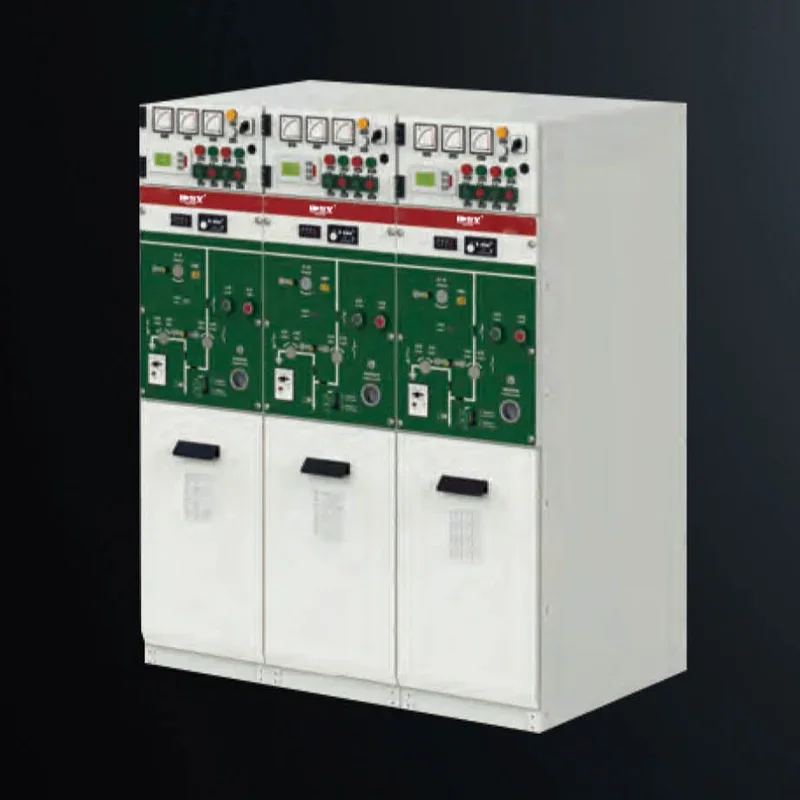
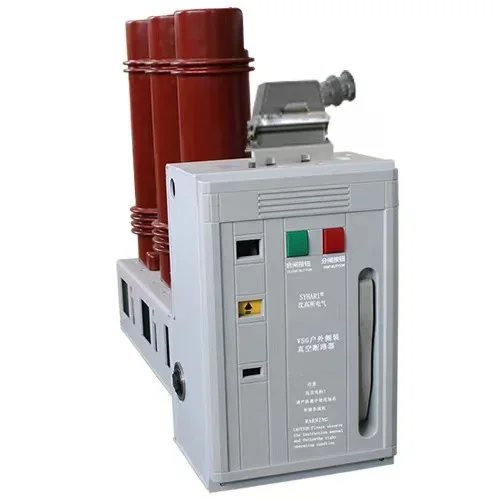
The Essential Guide to Switchgear and Switchboards: Understanding Their Role in Low-Voltage Electrical Systems
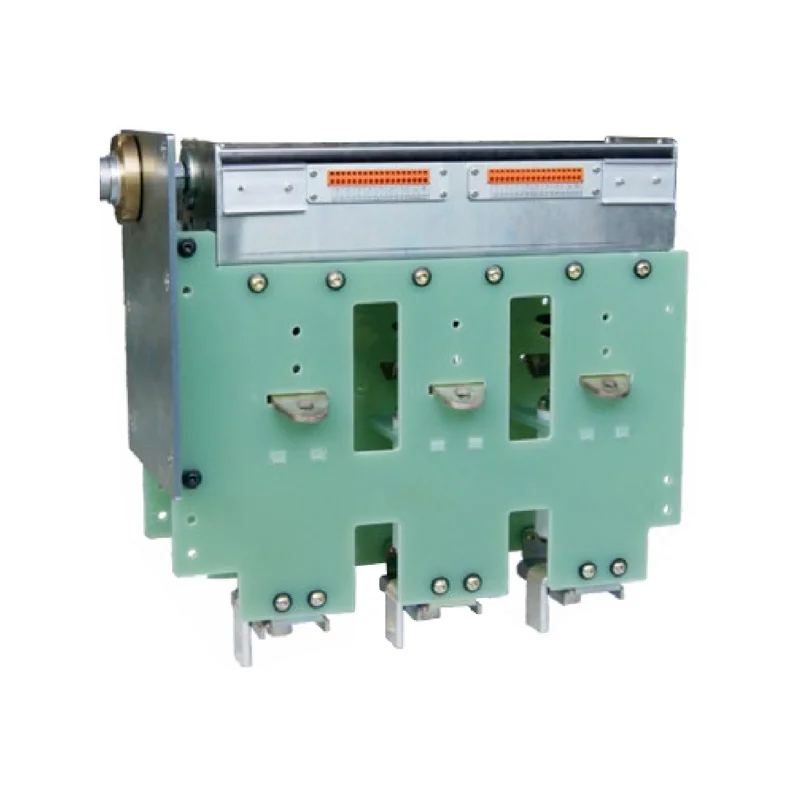
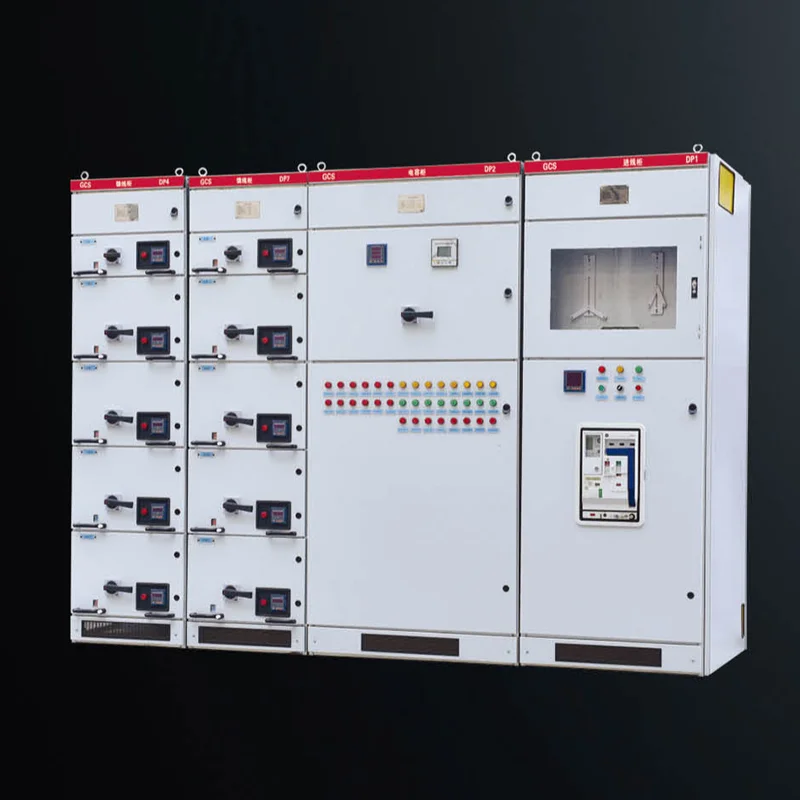
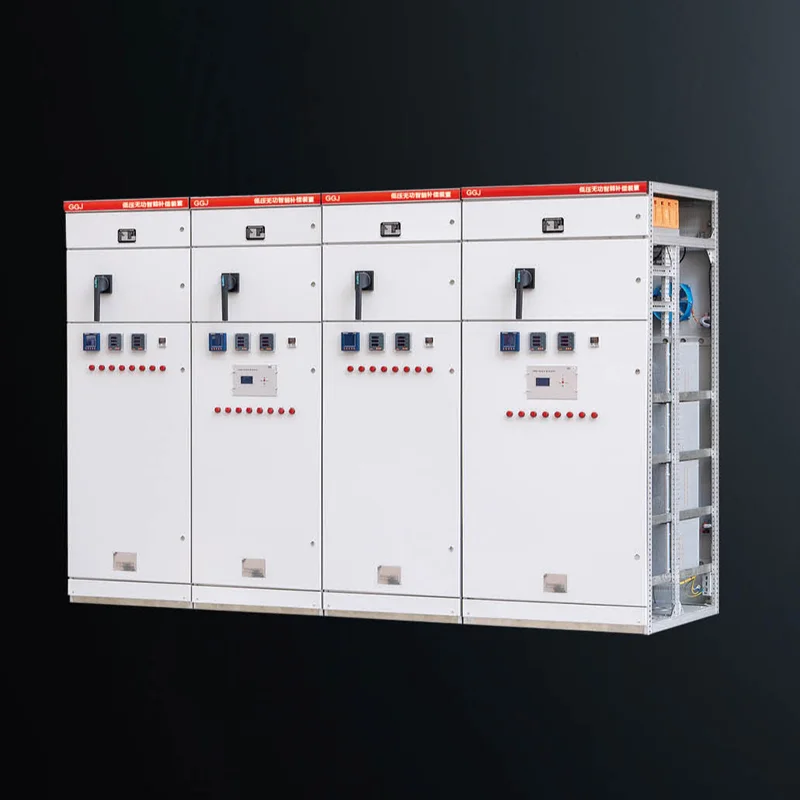
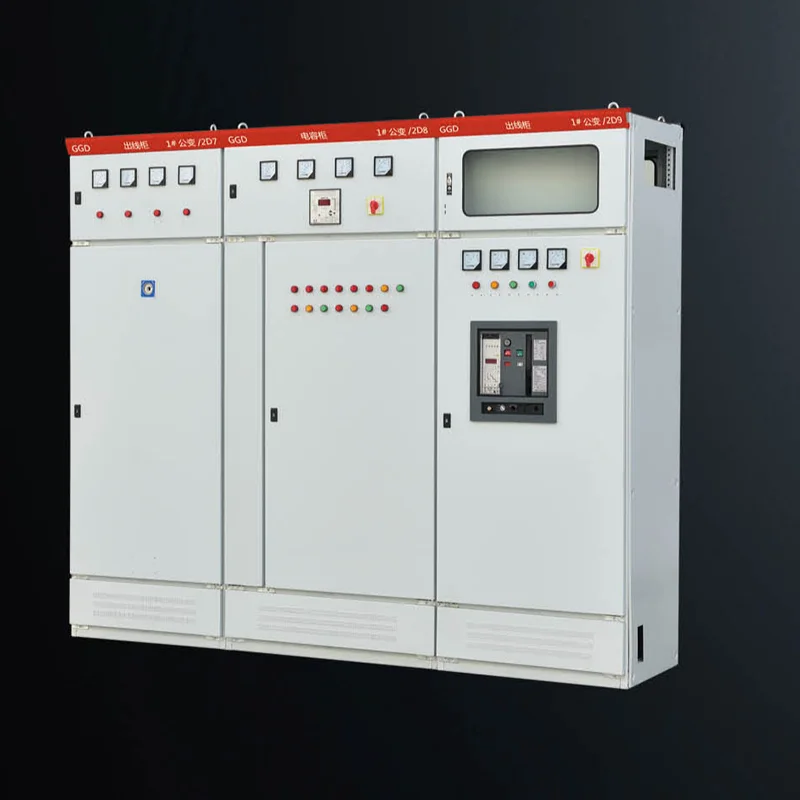
Switchgear and switchboards are fundamental elements in any low-voltage electrical system, playing a vital role in controlling, protecting, and isolating electrical equipment. Their importance cannot be overstated, as they ensure the safe and efficient operation of electrical circuits, minimizing the risk of faults and enhancing the reliability of power distribution. **What are Switchgear and Swit
Mar 02,2025
**What are Switchgear and Switchboards?**
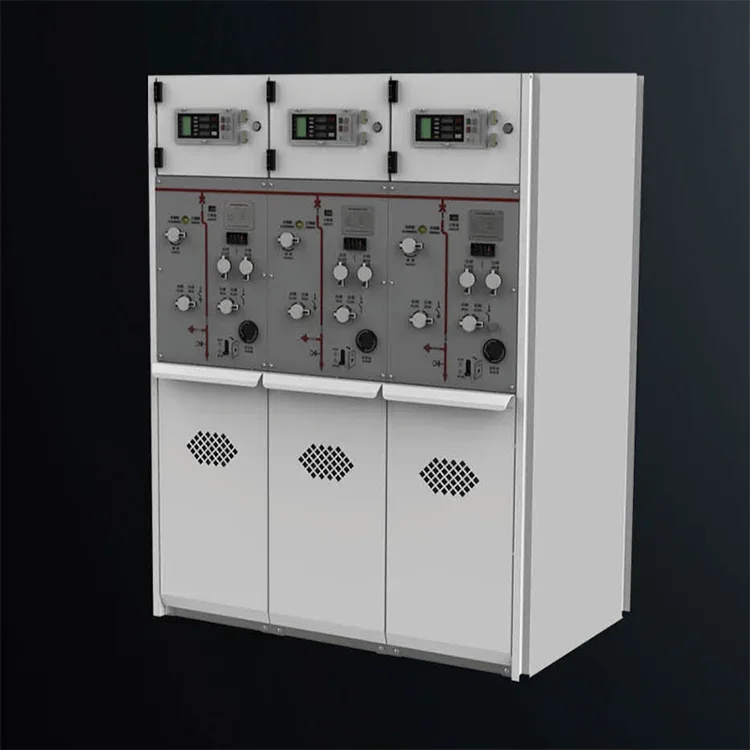
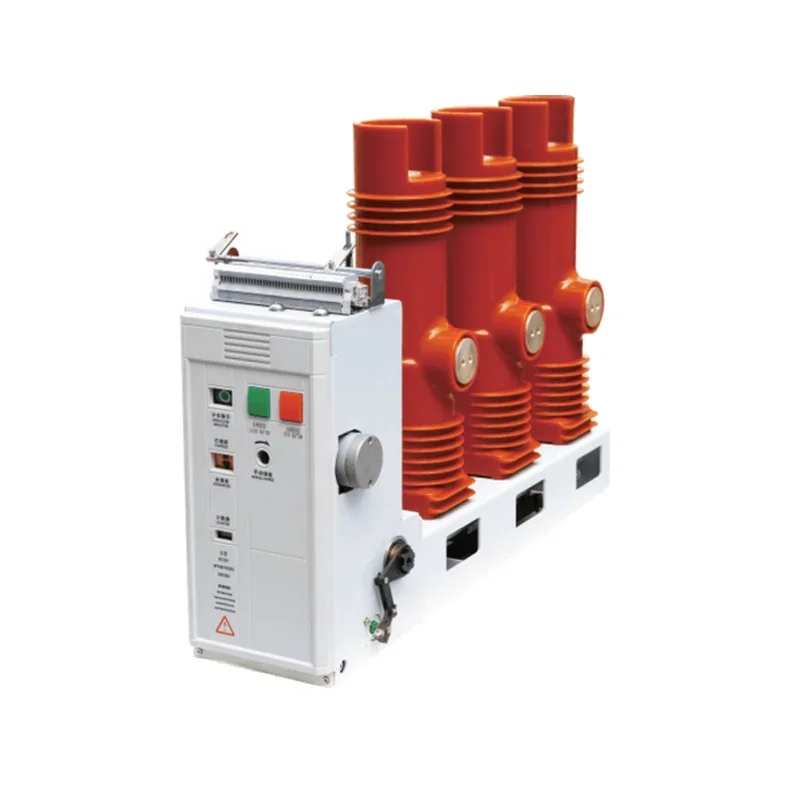
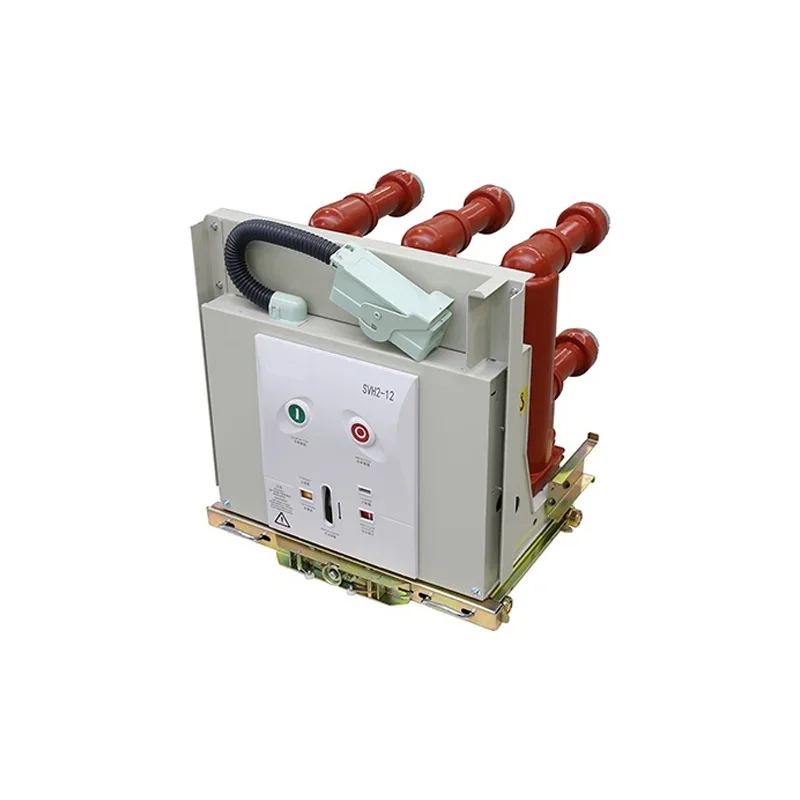
Switchgear is an umbrella term that refers to various electrical devices used to control, protect, and isolate electrical equipment. This includes circuit breakers, fuses, switches, and relays. Switchboards, on the other hand, are larger assemblies that house the switchgear components and are designed to distribute electricity to different circuits within a facility. Together, they form a crucial part of any low-voltage system, allowing for efficient power management.
**Key Functions of Switchgear and Switchboards**
1. **Protection**: One of the primary functions of switchgear is to protect electrical systems from overloads and short circuits. Circuit breakers within the switchgear can detect faults and disconnect power to prevent damage to equipment and ensure safety.
2. **Control**: Switchgear enables operators to control the flow of electricity within the system. By using switches and relays, operators can redirect power, isolate faulty sections, or perform maintenance safely.
3. **Isolation**: Switchboards provide a means to isolate sections of the electrical system, ensuring that maintenance can be carried out without disrupting service to the entire facility. This isolation is crucial for the safety of personnel working on electrical systems.
**Applications of Switchgear and Switchboards**
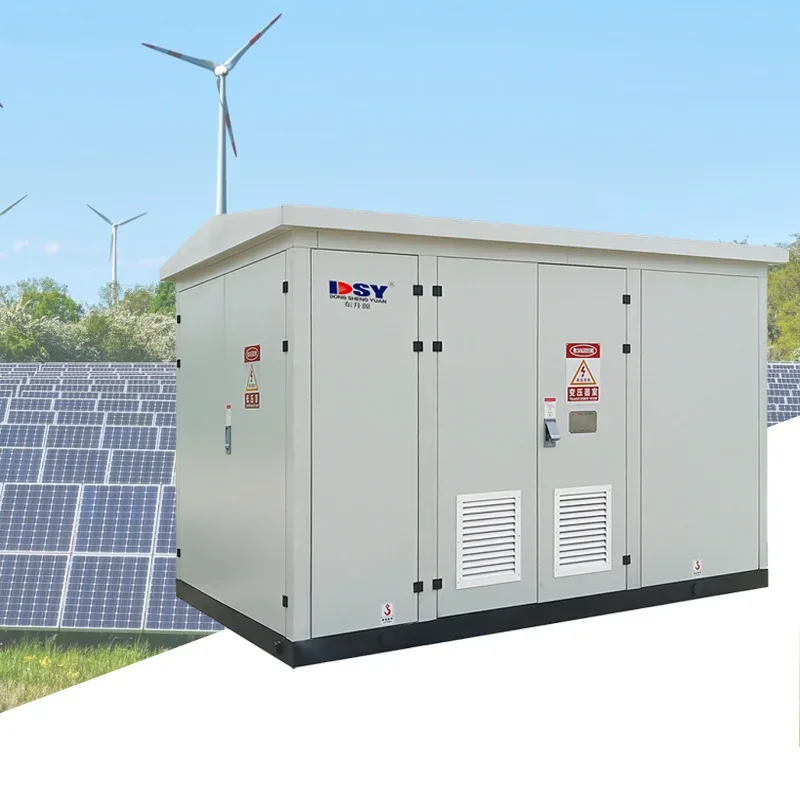
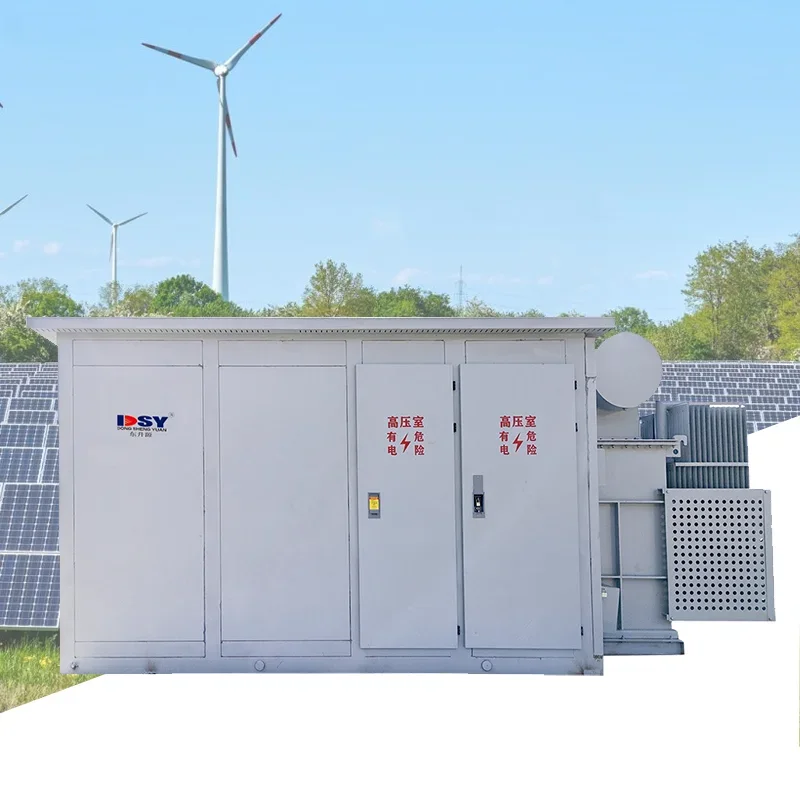
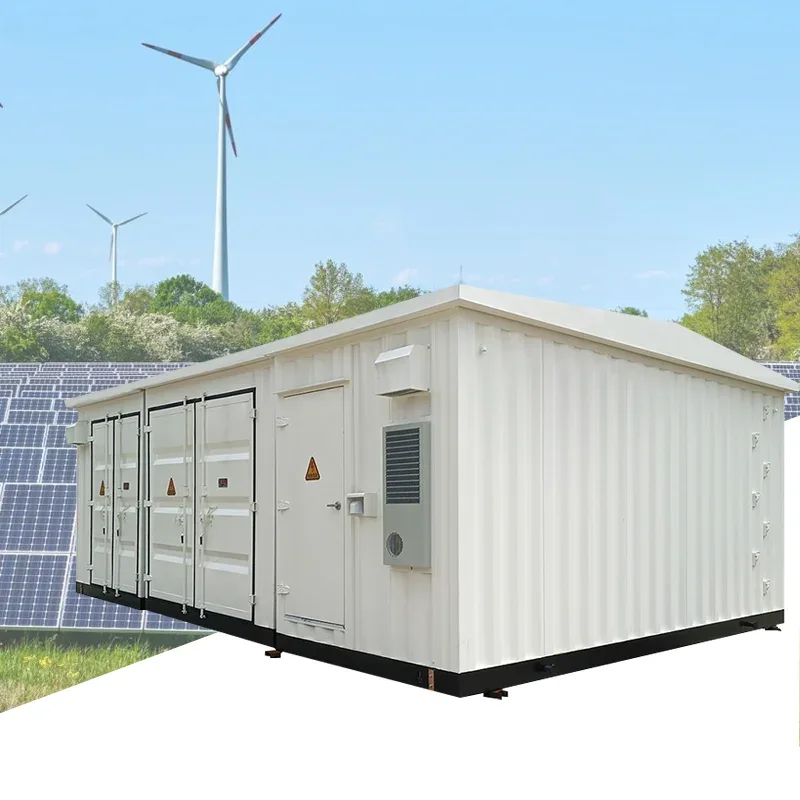
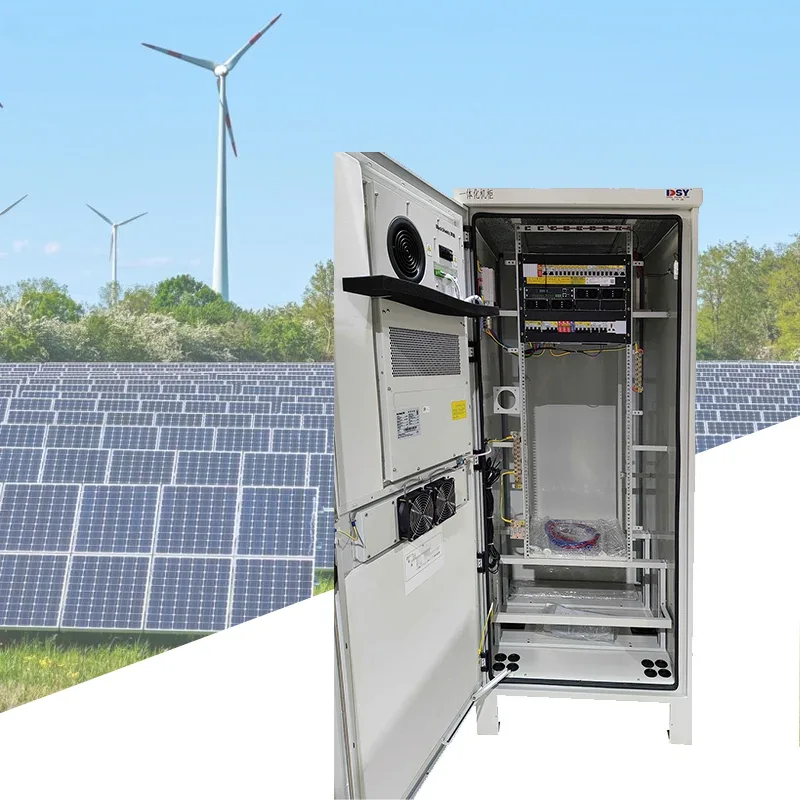
In low-voltage applications, switchgear and switchboards are used across various industries, including commercial buildings, manufacturing plants, and infrastructure projects. They facilitate the distribution of power to lighting, HVAC systems, and other critical equipment. Additionally, they play an essential role in renewable energy installations, such as solar power systems, where managing the flow of electricity from multiple sources is vital.
**Conclusion**
Understanding switchgear and switchboards is essential for professionals in the electrical field. These components not only enhance safety and reliability but also improve the efficiency of low-voltage electrical systems. By familiarizing themselves with the functions and applications of these devices, professionals can ensure that their electrical installations perform optimally and meet industry standards. As technology continues to evolve, staying informed about advancements in switchgear and switchboards will empower professionals to adapt to the changing landscape of electrical engineering.
Related News

From June 5th to 8th, 2025, Shenzhen Dongshengyuan Electrical Equipment Co., Ltd. (hereinafter referred to as "Dongshengyuan Electric") participated in the Southeast Asia Electricity and Energy Exhibition (SEAPAE) held in Jakarta, Indonesia. During the exhibition, the company highlighted its three core product lines: high-voltage and low-voltage distribution switchgear, intelligent circuit breakers, and environmentally friendly load switches. These products are designed to provide targeted solutions for the high temperature and high humidity environments commonly found in Southeast Asia, as well as the growing demand for new energy access. They have successfully attracted over 200 industry customers for business negotiations.
The difference between circuit breakers and vacuum circuit breakers
Circuit breaker is an abbreviation for pole type circuit breaker. Circuit breakers are also vacuum circuit breakers
1B601, Lefu Square, No. 481 Guangming Avenue, Dongkeng Community, Fenghuang Street, Guangming District, Shenzhen
Request Quote
Note: Please leave your contact information and our professionals will contact you as soon as possible!